
Review · NILE CRUISES
4 Days 3 nights Nile cruise Aswan to Luxor with sightseeing
Four days, nine major sights, one Nile. This cruise packs Egypt’s best Upper Egyptian temples into a tidy Aswan to Luxor journey. I like the gentle rhythm of sailing between visits, and I especially like that the route includes both grand monuments such as Karnak and smaller, unusual places such as Kom Ombo’s crocodile museum. The small group, limited to 10 people, should also make transfers and questions easier.
The main caution is timing. The schedule is full, the hot-air balloon flight is tied to the final morning, and admission details are not perfectly consistent: several stops are marked as extra-charge visits in the daily plan, while the package description says entrance tickets are included. Confirm this before paying. Guide Hassan Ashour receives especially warm praise for patience, responsibility, and sorting out problems, including a wrong vehicle after the balloon ride.
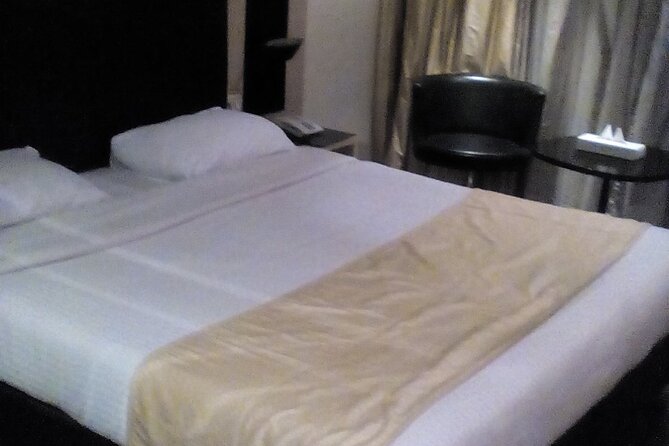
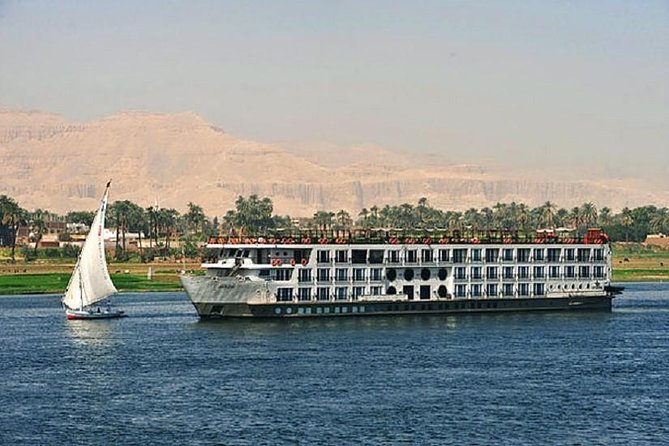
For $530 per person, you receive three nights aboard a five-star Nile cruise, three breakfasts, lunches, and dinners, air-conditioned transfers, an English-speaking Egyptologist, and the listed sightseeing. That makes it a strong package for a first look at the Nile Valley, provided you are comfortable with a firm schedule and a nonrefundable booking.
Key points to know before sailing
- Philae begins the trip on an island: You reach the temple complex by boat, and the buildings were moved to higher ground to save them from Lake Nasser.
- The cruise links Aswan and Luxor efficiently: You visit Kom Ombo and Edfu along the river instead of arranging separate day trips.
- The final morning is unusually busy: A 40 to 50 minute hot-air balloon flight is followed by the Valley of the Kings, Hatshepsut Temple, and the Colossi of Memnon.
- The group is capped at 10 people: That is a useful size for an Egyptologist-led tour, especially during transfers and temple visits.
- The package is close to all-inclusive, but check tickets: Meals, cabins, transfers, and many entrance fees are listed as included, yet the daily schedule marks some admissions as not included.
- Hassan Ashour is a practical point of contact: His help with itinerary problems is a real advantage when the schedule gets complicated.
What $530 buys you on this Nile route
This is not a quiet, unstructured cruise. It is a sightseeing program with a cabin and meals built around it. You start in Aswan and finish in Luxor, visiting the major monuments on the way rather than returning to one hotel each night.
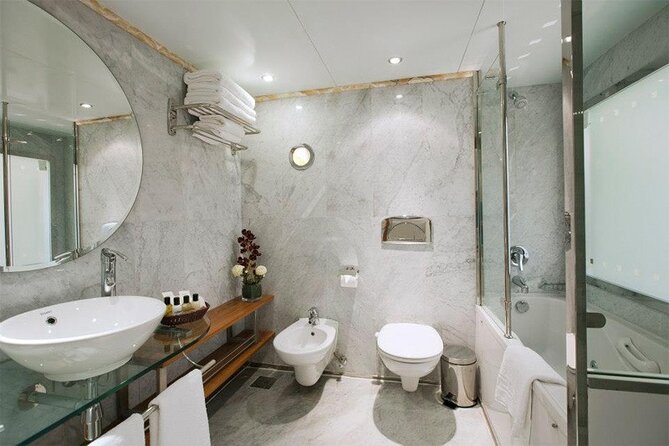
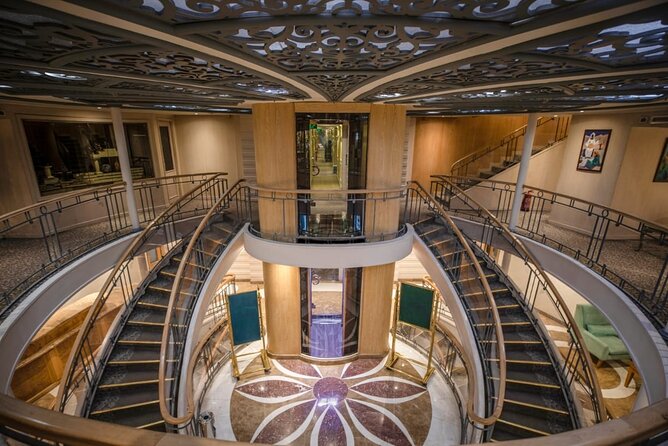
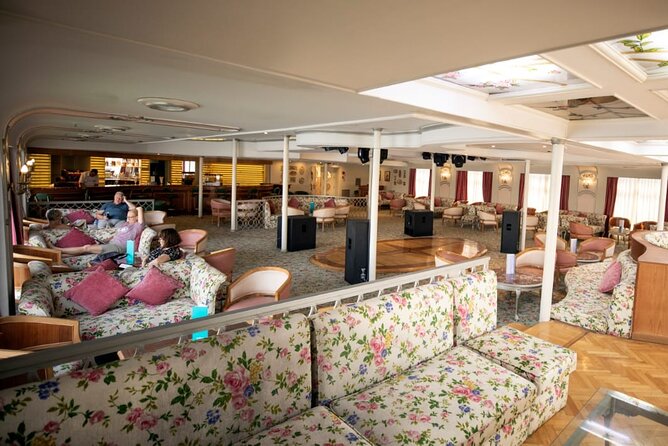
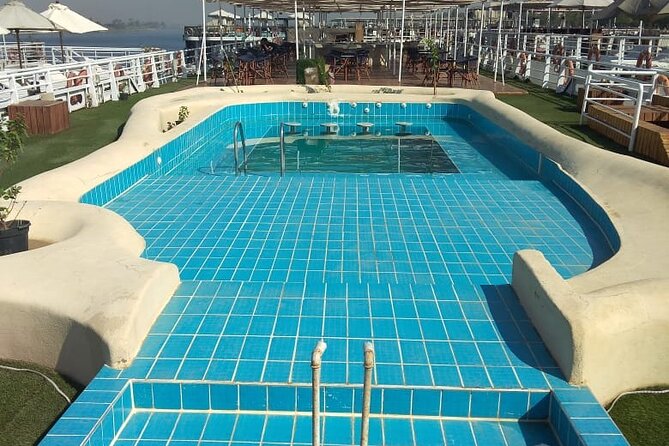
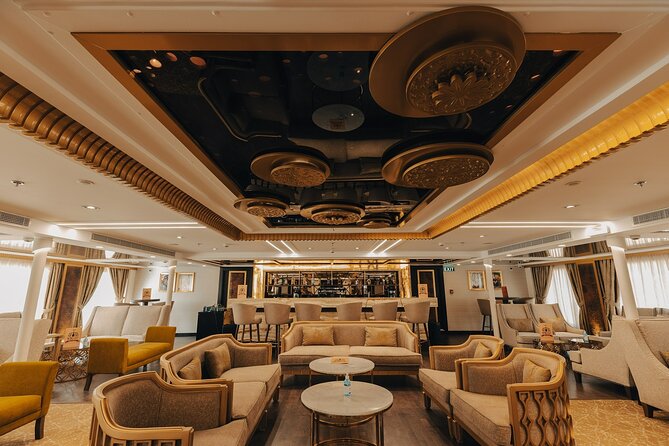
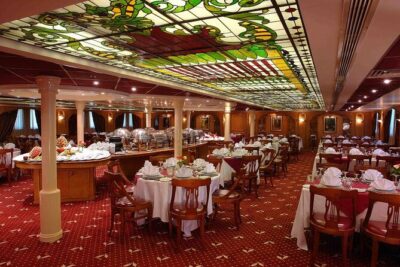
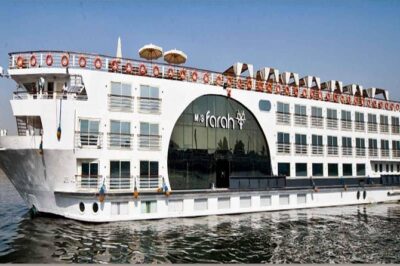
The price includes three nights aboard a five-star Nile cruise, which gives you a fixed base while the river carries you north. It also includes air-conditioned vehicles with qualified drivers, hotel or port pickup and drop-off, an English-speaking Egyptologist, and meals for all three nights: three breakfasts, three lunches, and three dinners.
That combination has practical value. You do not need to negotiate separate rides to Philae, Kom Ombo, Edfu, Karnak, or the west bank of Luxor. You also avoid arranging a separate transfer between Aswan and Luxor.
Still, I would ask for a written confirmation of exactly what is included. The package details list entry to Philae, the High Dam, Kom Ombo, Edfu, Karnak, Luxor Temple, the Valley of the Kings, and Hatshepsut Temple. The individual sightseeing descriptions, however, mark several of those admission tickets as not included. This may be a simple difference between the general package and the day-by-day notes, but it matters to your final cost.
Drinks and water are not included. Cruise Wi-Fi costs extra, and tipping for the guide, drivers, and cruise staff is also separate. Those are normal additional costs, but you should budget for them rather than treating the $530 price as the entire spend.
More Nile Cruises in Aswan:
- 4-Days Nile Cruise From Aswan To Luxor including Abu Simbel and Hot Air Balloon
★ 5.0 · 3,142 reviews - 4-Day 3-Night Nile Cruise from Aswan to Luxor&Abu Simbel+Balloon
★ 5.0 · 2,023 reviews - 4-Day 3-Night Nile Cruise from Aswan to Luxor including Abu Simbel, Air Balloon
★ 4.5 · 612 reviews
Day 1: Philae Temple and the High Dam in Aswan
The first sightseeing stop is Philae, one of the most appealing temple visits in Aswan. The complex sits on an island in the Nile, so you reach it by boat. The short ride adds a sense of occasion and also explains why this visit differs from the roadside temples later in the trip.
Philae was not left in its original location. When the construction of the High Dam threatened to submerge the ancient buildings, the temple complex was dismantled and rebuilt on its current island. As you walk among the courts and columns, you are seeing an ancient place that was carefully rescued in modern times.
The temple is associated especially with Isis and Hathor. The description calls it the Island of Love, and local custom connects the site with wishes written or hung on its walls. You will get the most from the visit if you pay attention to the reliefs and the setting, not just the large columns. The boat approach and water around the complex are a big part of its appeal.
Allow about two hours here. That is enough time for a guided walk without making the stop feel rushed, though the boat transfer is part of the timing. The admission status should be confirmed before departure because the daily schedule marks the ticket as extra, while the package details list it as included.
The High Dam follows, with about 30 minutes at the site. It is described as Egypt’s protective shield against the annual Nile floods and as the fourth pyramid because of the scale and quantity of its building materials. Behind it lies Lake Nasser, identified here as the world’s largest artificial lake.
Do not expect the High Dam to offer the same visual drama as Philae. Its value is context. The dam changed how Egypt managed the Nile and helped prevent the floods that once destroyed villages. It also explains why the rescue of Philae was necessary. The two stops work well together: one shows ancient Egypt beside the river, and the other shows modern Egypt reshaping it.
Day 2: Kom Ombo and the pleasures of a slow river morning
Day two brings you to Kom Ombo after sailing from Aswan. This is one of the most distinctive temples on the route because its plan is divided into two matching sections. The paired arrangement reflects worship of two deities, giving the site a clear visual logic that you can grasp even during a relatively short one-hour visit.
Kom Ombo is also known for its crocodile connection. The temple includes mummified crocodiles and carved surgical tools, details that point to its role as a religious and healing center. These are the sort of small, unusual features that keep the visit from becoming another procession of columns and statues.
The temple sits beside the Nile, so the river remains part of the experience rather than just transportation between stops. You can look back toward the cruise ship and see how closely the ancient sites depend on the waterway that connects them.
The one-hour schedule is efficient, but it leaves limited time for lingering. If you like reading inscriptions or taking photographs from several angles, stay close to your guide and keep an eye on the departure time. Kom Ombo is listed as having free admission in the daily plan, while the general inclusions also identify entry as covered.
A cruise day such as this can be the least demanding part of the program. You sail, eat aboard ship, and step ashore for one focused monument. I like that balance, especially before the heavier sightseeing in Luxor.
Day 3: Edfu, Karnak, and Luxor Temple
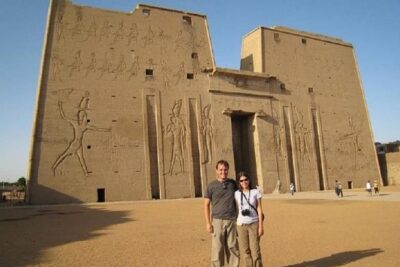
After breakfast, you visit Edfu Temple, dedicated to Horus, the falcon-headed god associated here with kingship. Edfu is described as one of the best-preserved Greco-Roman temples in Egypt, and that preservation is its main attraction. Walls, columns, and reliefs give you a strong sense of the original design.
The temple also connects Horus with Hathor, his wife and a goddess of healing. Your guide can help you read the religious story in the carvings rather than treating the site as a collection of impressive stonework. The planned visit lasts about one hour, so this is another place where a clear explanation adds real value.
The package lists Edfu admission as included, but the daily entry description marks it as not included. Ask the provider to resolve that discrepancy in writing. It is a small detail, but there is no reason to guess at the gate.
Karnak is the day’s largest stop. Your Egyptologist meets you from the cruise and leads you through the temple complex, which covers about 60 acres. Ancient rulers added their own statues, obelisks, halls, and memorials over many centuries, so the site feels more like a sacred district than a single building.
The Great Hypostyle Hall of Ramesses II is the visual center for many visitors. Its huge columns create a forest of stone, and the scale gives you a useful sense of how power and religion were displayed in ancient Egypt. Karnak also includes a sacred lake, along with remaining obelisks and monuments from different royal periods.
Allow two hours. That is enough for a substantial guided visit, but not enough to examine every wall. Wear comfortable shoes and keep water with you, since the complex is large and the schedule continues afterward. Water is not supplied as part of the package, and drinks on the cruise cost extra.
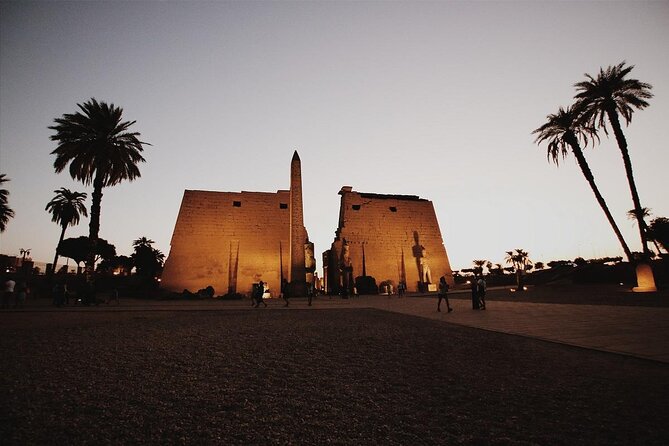
Luxor Temple follows Karnak for about one hour. It is smaller, but the concentration of columns, statues, and reliefs makes it a rewarding contrast. The temple is linked with Amenhotep III and Ramesses II, and the site later served Christian and Islamic communities. A church and mosque remain part of the complex’s long religious story.
This pairing is one of the strongest parts of the trip. Karnak gives you size and layers of construction. Luxor Temple gives you a more compact visit, with architectural details easier to take in during a shorter stop. By the end of the day, you will have seen a great deal, so expect to rely on your guide’s explanations rather than trying to absorb every inscription.
A few more river trips around Aswan worth comparing
- From Aswan: 4-Day Nile Cruise from Aswan to Luxor with Guide
★ 4.1 · 593 reviews - 4-Day 3-Night Nile Cruise from Aswan to Luxor – Private Tour
★ 5.0 · 369 reviews - 4 Days Nile Cruise from Aswan to Luxor including Abu Simbel and Hot Air Balloon
★ 4.5 · 356 reviews - 4-Day 3-Night Nile Cruise from Aswan to Luxor With Balloon and Abu Simbel
★ 5.0 · 327 reviews
Day 4: A balloon flight above Luxor, then the west bank
The final day begins early with pickup from the cruise and preparation for a hot-air balloon flight. The flight lasts about 40 to 50 minutes. It is followed by a guided visit to the Valley of the Kings, making this the most ambitious morning of the entire program.
The balloon ride changes your view of Luxor. Instead of seeing the Nile and monuments from ground level, you look down over the area before beginning the archaeological visits. The flight is an optional-feeling highlight built into the schedule, but it also creates the day’s biggest timing risk. You need to be ready for an early pickup and keep your belongings organized during the transfer between the balloon operation and the sightseeing vehicle.
Breakfast is a particular point to clarify. One problem recorded with this arrangement involved no breakfast being available at the balloon activity, followed by a wrong-car mix-up. Hassan Ashour helped correct the transport issue and handled the problem responsibly. I would still ask exactly when breakfast is served and where your luggage remains during the flight.
The Valley of the Kings receives about four hours, including the balloon and related visits. The valley is the main reason many people choose a Luxor program. Instead of monumental pyramids, you find royal tombs cut into the desert hills, with painted underground chambers and a very different sense of ancient burial practice.
Your ticket may cover entry to the valley, but the number of individual tombs available to enter can vary under site rules, and the supplied information does not specify which tombs are included. Ask your guide or provider for the current arrangement. The four-hour block should give you a proper guided visit, but the balloon flight uses part of that morning.
Hatshepsut Temple at Deir el Bahari follows for about one hour. The temple rises against the mountain and is notable for its terraces, formal lines, and connection with Queen Hatshepsut. The program presents her as a ruler determined to prove her authority, which gives the visit a useful political angle as well as an architectural one.
The final stop is the Colossi of Memnon, two huge seated statues visited for about 10 minutes. This is a quick photo and orientation stop, not a full temple tour. The original temple has largely disappeared, leaving the two figures as the main visible remains. Because the stop is so short, treat it as a closing glance at the west bank rather than a major sightseeing block.
Guides, vehicles, meals, and group size
The group limit is 10 people, which is a welcome middle ground. You get more personal attention than on a large coach, while still sharing the cost of the guide and transfers. The included vehicles are air-conditioned, and qualified drivers handle the road connections.
Hassan Ashour is the guide name most clearly associated with this experience. His strengths are practical: patience, responsibility, and a willingness to solve problems. That matters in Egypt, where a correct vehicle, a clear pickup point, and a guide who keeps the day moving can make a bigger difference than a polished speech.
Meals include three breakfasts, three lunches, and three dinners. Vegetarian food is available if you request it at booking. Water and other drinks are not included, so carry or purchase them as needed. Cruise Wi-Fi also costs extra.
The tour ends at Luxor train station, specifically the cafe area, or at a hotel on Luxor’s east bank if you prefer. That flexibility is useful if you are continuing by train or staying in the city. Pickup is offered at the beginning, with the stated start point in Aswan.
Who should book this cruise?
I would choose this trip if you want the main Aswan and Luxor sights in one organized package. It suits first-time visitors who prefer a guide, fixed transport, and a cabin rather than arranging each temple independently.
It also suits people who want a compact group. A maximum of 10 participants makes it easier to hear the Egyptologist and speak up when something is unclear. Hassan Ashour’s hands-on problem solving is another reason this package may appeal to you.
I would hesitate if you want long, unhurried visits or a flexible morning routine. The schedule moves quickly, and the balloon flight adds an early start to an already full final day. You should also avoid booking until the operator confirms the entrance-ticket issue and breakfast arrangements in writing.
The cancellation terms are strict: the experience is nonrefundable and cannot be changed after booking. That makes accurate planning especially important.
Should you book the Aswan to Luxor cruise?
Book it if you value coverage, convenience, and guided sightseeing more than free time. For $530, the three-night cruise, meals, vehicles, guide, and major Upper Egyptian monuments offer solid value, subject to confirming admissions and any extra costs.
Skip it if you want to set your own pace, spend longer inside individual tombs, or avoid a tightly scheduled final day. For the right visitor, though, this is an efficient way to connect Aswan and Luxor while seeing Philae, Kom Ombo, Edfu, Karnak, Luxor Temple, the Valley of the Kings, and Hatshepsut Temple without managing every transfer yourself.
FAQ
Where does the cruise start?
The experience starts in Aswan, in Aswan Governorate, Egypt.
Where does the cruise end?
It ends at the Luxor train station cafe, or at any hotel on Luxor’s east bank if requested.
How long is the experience?
The cruise lasts four days and three nights.
How many people can join the group?
The maximum group size is 10 participants.
Is hotel or port pickup available?
Yes. Hotel and port pickup and drop-off are included.
Is an English-speaking guide provided?
Yes. An English-speaking Egyptologist guide is included.
Is the hot-air balloon flight included in the final day?
The itinerary includes preparation for and a 40 to 50 minute hot-air balloon flight before the Valley of the Kings visit.
Are meals included?
Three breakfasts, three lunches, and three dinners are included.
Is vegetarian food available?
Yes. You should request the vegetarian option when booking.
Are drinks and Wi-Fi included?
No. Water and drinks on the cruise are extra, and cruise Wi-Fi is available for an additional charge.
Just added around Aswan
- Sailing Nile Cruise from Aswan to Luxor for 2 Nights★ 4.5 · 139 reviews
- 4-Days Aswan sails Nile Cruise Luxor &Abu Simbel.Hot air Balloon★ 4.5 · 77 reviews
- 4-Days Nile Cruise From Aswan To Luxor Abu Simbel and Air Balloon★ 4.5 · 2 reviews
- 4 Days Nile Cruise &Hot Air Balloon on M/S Movenpick Royal Lilly★ 5.0 · 4 reviews
- Sailing Nile cruise from Aswan to Luxor includes tours for 3 nights★ 5.0 · 16 reviews
- 8 Nights Egypt Tour,Cairo,Luxor,Aswan&Abu Simbel,Nile Cruise,Hot Air Balloon★ 4.5 · 11 reviews
- Sailing Nile cruise from Aswan for 2 nights★ 4.0 · 11 reviews
- 4-Day Nile Cruise: Aswan to Luxor & Abu Simbel + Hot Air Balloon★ 4.5 · 35 reviews
Nile Cruises, compared.
4-Days Nile Cruise From Aswan To Luxor including Abu Simbel and Hot Air Balloon
Read our review →
Dinner Cruise on the Nile River with Entertainment
Read our review →
4-Day 3-Night Nile Cruise from Aswan to Luxor&Abu Simbel+Balloon
Read our review →
Nile Dinner Cruise with Belly Dancer Show with Pickup
Read our review →
4-Day 3-Night Nile Cruise from Aswan to Luxor including Abu Simbel, Air Balloon
Read our review →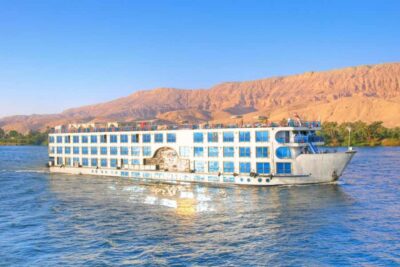
4-Day Nile Cruise from Aswan to Luxor with Guide
Read our review →Browse the lists this tour appears in