
Review · NILE CRUISES
4 Days Dahabiya Nile Cruise from Aswan to Luxor with Sightseeing
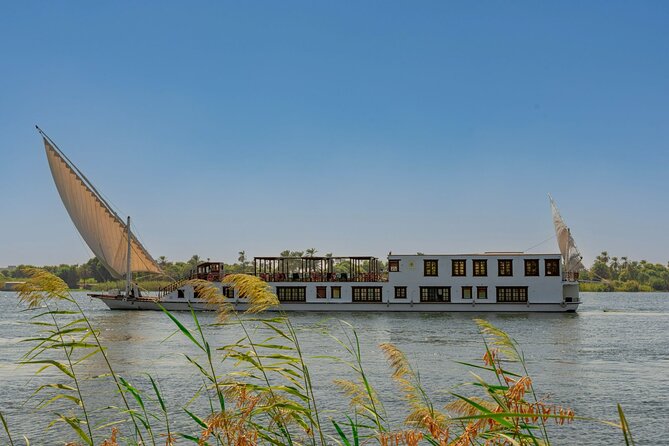
Ancient Egypt feels different from a quiet sailboat. This private Dahabiya cruise combines slow Nile travel with major temples, including Philae, Kom Ombo, Edfu, Luxor, and Karnak. I like the unhurried pace and the chance to watch everyday river life from the sun deck, rather than spending every hour in a road vehicle. I also like that an English-speaking Egyptologist guides the sightseeing, adding useful context to the stonework and stories.
The main concern is the price of $1,523.37 per person. That is a serious outlay for four days, even with accommodation, meals, entrance fees, transfers, and a private group included. Abu Simbel is mentioned in the overall description, but its admission fee is excluded and it is not assigned a clear place in the daily schedule, so you should confirm exactly what is included before paying.
Key points to know before booking
- Traditional Dahabiya sailing: You spend three nights aboard a smaller Egyptian sailing boat, with meals and Nile views built into the journey.
- Private group format: Only your own group participates, with pickup from any hotel in Aswan and private air-conditioned transfers.
- Strong temple sequence: Philae, Kom Ombo, Edfu, Valley of the Kings, Hatshepsut, Luxor Temple, and Karnak are all included.
- A quieter Nile perspective: Day 3 focuses on islands, villages, fields, fishing boats, and the sailing itself, not just monuments.
- Extra charges to watch: Abu Simbel and the hot-air balloon are not included. Gratuities are also separate.
- Best for history-focused visitors: The tour suits you if you want guided archaeology, full sightseeing days, and the romance of a slower boat journey.
Why a Dahabiya changes the Nile trip
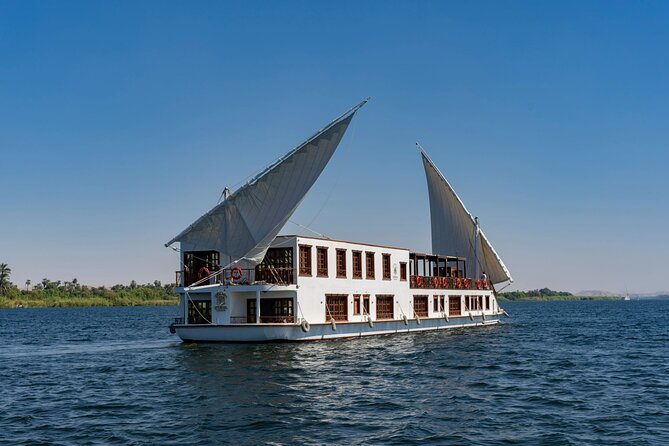
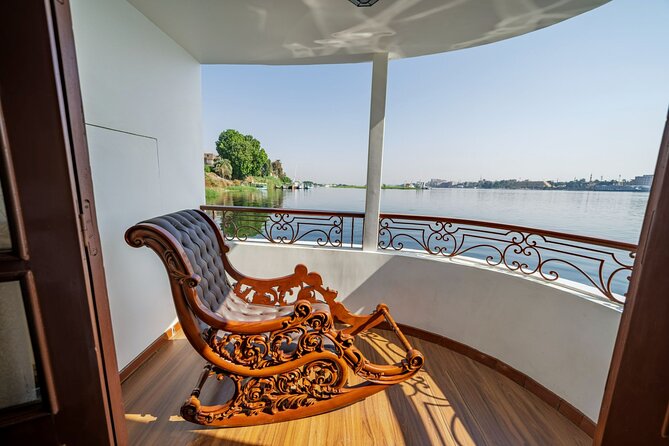
A Dahabiya is a traditional Egyptian sailing boat, and this trip is built around the pleasure of moving slowly. You are not simply being carried from one port to the next. The boat gives you a front-row view of the river, its islands, cultivated banks, fishing boats, and small communities.
That matters because the Nile is more than a line connecting temples. On Day 3, the itinerary allows time to watch the captain, dressed in a galabya, handle the boat and to photograph islands along the river. You might see children playing by the water, local farmers working green fields, and fishermen in small boats. These scenes give the cruise a human scale that a bus transfer cannot provide.
The trade-off is time. A Dahabiya moves at a gentler pace than a modern motor vessel, and the trip includes long periods of sailing. I see that as a strength if you enjoy quiet views, tea on deck, and open-air meals. If you want nonstop sightseeing, you may find the slower schedule less exciting.
The boat provides three nights of accommodation. Breakfast is included on all four days, along with three lunches and two dinners. Meals are served aboard the cruise, including open-air dining on some days. Vegetarian, vegan, and gluten-free requirements can be accommodated if you list them when booking.
More Nile Cruises in Aswan:
- 4-Days Nile Cruise From Aswan To Luxor including Abu Simbel and Hot Air Balloon
★ 5.0 · 3,142 reviews - 4-Day 3-Night Nile Cruise from Aswan to Luxor&Abu Simbel+Balloon
★ 5.0 · 2,023 reviews - 4-Day 3-Night Nile Cruise from Aswan to Luxor including Abu Simbel, Air Balloon
★ 4.5 · 612 reviews
Day 1: Philae Temple and the Aswan High Dam
Pickup is offered from any hotel in Aswan, followed by a private transfer in an air-conditioned vehicle with a professional driver. You board the Dahabiya in the morning and begin with breakfast while sailing along the Nile.
The first major stop is Philae Temple, reached by a three-hour visit with admission included. Dedicated to Isis, Philae is one of the most visually appealing temples in the Aswan area. Its setting on an island gives the visit a special sense of arrival, and the combination of water, stone columns, reliefs, and open sky makes it easy to see why this site is often a highlight of southern Egypt.
Your English-speaking guide provides the historical explanation, which is especially useful at Philae. The temple complex has passed through different periods and religious changes, so a guide can help you understand what you are looking at instead of leaving you to read scattered signs.
The Aswan High Dam follows, with a two-hour visit and admission included. The dam is a major modern engineering project and changed the relationship between Egypt, the Nile, and seasonal flooding. It also explains why temples such as Philae had to be protected and moved when water levels changed.
Lunch and dinner are served aboard the boat, and you spend the night in Aswan. The evening includes time for a walk through town and local markets. That is a useful touch, since it gives you a little room to see Aswan beyond the formal monuments. Keep your expectations sensible: this is a short town visit, not a separate guided market tour.
Day 2: Kom Ombo, tea on deck, and an evening on the river
The Dahabiya sails onward toward Kom Ombo, where you spend about three hours exploring the twin temple. Admission is included.
Kom Ombo is unusual because it is dedicated to two gods, Sobek, the crocodile god, and Horus, the falcon-headed god. Its paired design gives the site a clear visual logic, and your guide can explain how two religious traditions were represented within one complex.
This is also one of the days when the boat itself becomes part of the sightseeing. You can sit on the sun deck with Egyptian tea, watch the river pass, and eat lunch and dinner in the open air. Those details sound simple, but they are central to the value of a Dahabiya. You are given time to absorb the scenery rather than being rushed from one ticket gate to another.
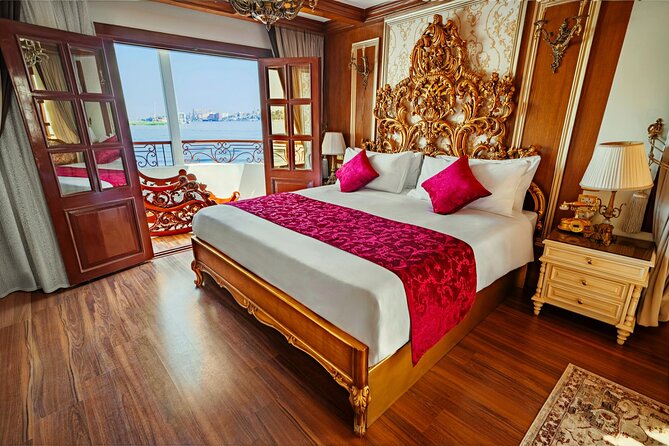
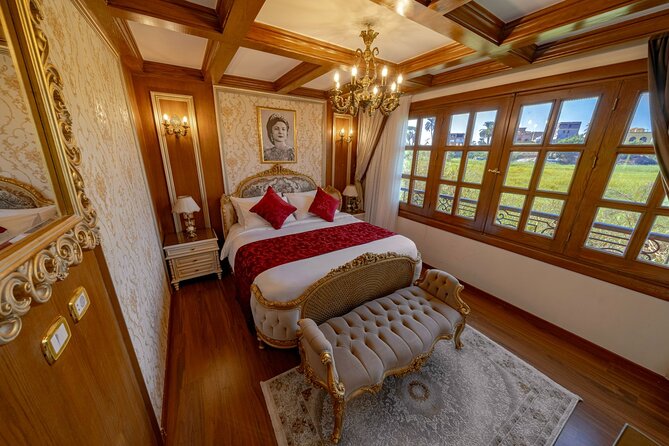
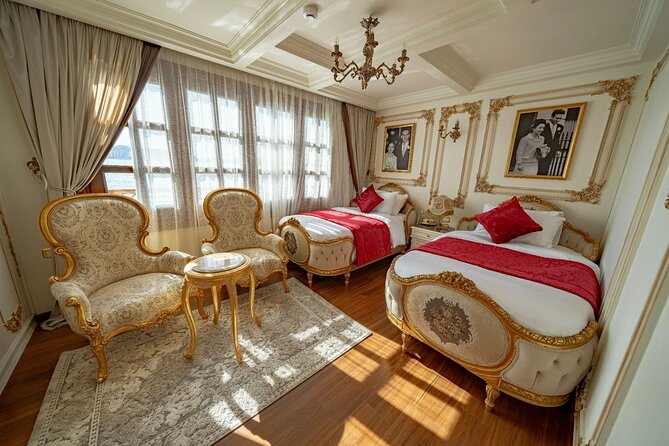
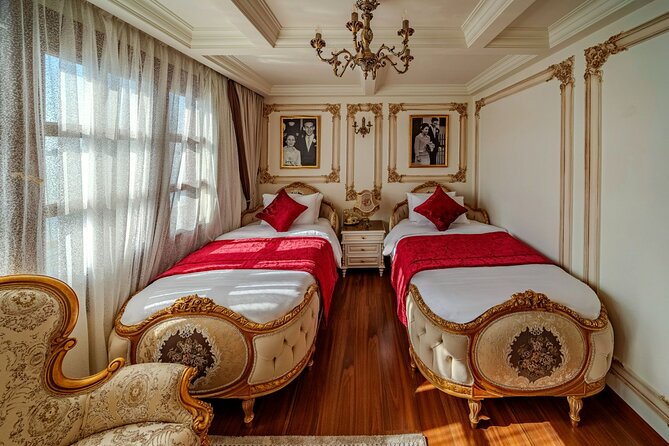
You spend the night aboard the boat. Since the group is private, the atmosphere should feel more personal than a large cruise departure, though the quality and layout of the cabin will depend on the particular boat assigned. The tour does not give cabin measurements or a detailed list of onboard facilities, so ask for those details if room comfort is important to you.
Day 3: Silsileh, Edfu, and a barbecue at Fawaza Island
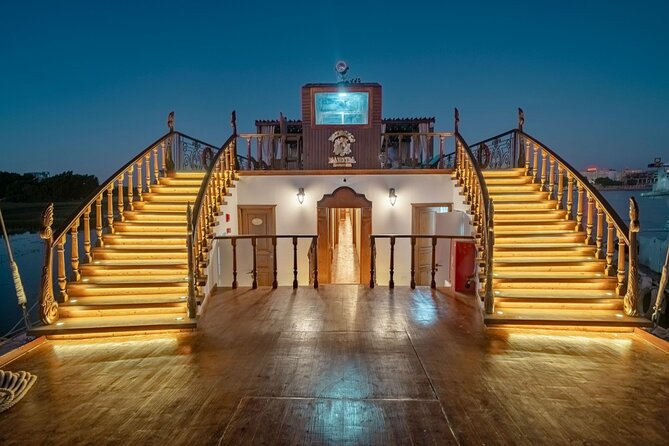
Day 3 is the most scenic part of the program. Breakfast is served on the sun deck as you pass islands and riverbank communities. The schedule highlights photography, sailing, and observation, which makes this a welcome pause after the temple visits.
The route includes Silsileh, an ancient quarrying area known for high-quality building stone. It is an important archaeological location because stone from this area helped supply major Egyptian building projects. The supplied schedule gives only a partial description of this stop, so confirm how much time you will spend ashore and which parts are accessible.
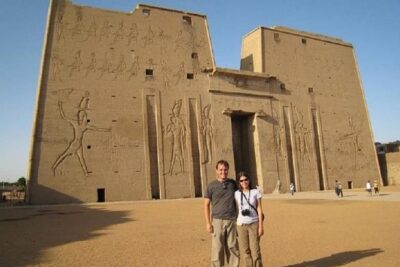
Later, the boat reaches Edfu Temple, a three-hour visit with admission included. Edfu is dedicated to Horus and is one of the best-preserved temples from the Greco-Roman period. Its large walls, carved scenes, and strong axial design make it easier to picture how a functioning temple complex once worked.
The guide is particularly valuable here. Edfu contains a great deal of carved material, and without explanation it can become a procession of columns and reliefs. A good guide connects the falcon-headed Horus to the temple’s royal and religious purpose, helping you notice details you might otherwise walk past.
In the evening, the Dahabiya docks at Fawaza Island for a beachside barbecue. You can eat outdoors, watch the sunset, and spend time beside the water before the boat continues. The itinerary also mentions passing through the Esna Lock, an interesting piece of Nile travel that shows the practical side of moving between different river levels.
Day 3 is not just a transfer day. It gives you the best chance to appreciate the character of the boat, the captain, the river, and the people who live beside it.
A few more river trips around Aswan worth comparing
- From Aswan: 4-Day Nile Cruise from Aswan to Luxor with Guide
★ 4.1 · 593 reviews - 4-Day 3-Night Nile Cruise from Aswan to Luxor – Private Tour
★ 5.0 · 369 reviews - 4 Days Nile Cruise from Aswan to Luxor including Abu Simbel and Hot Air Balloon
★ 4.5 · 356 reviews - 4-Day 3-Night Nile Cruise from Aswan to Luxor With Balloon and Abu Simbel
★ 5.0 · 327 reviews
Day 4: Royal tombs and temples on Luxor’s west bank
The final day is packed. You visit the Valley of the Kings, the Temple of Hatshepsut, the Colossi of Memnon, Luxor Temple, and Karnak Temple. That is a powerful finish, but it is also a long day with plenty of walking and visual information.
The Valley of the Kings receives about two hours. This necropolis contains the tombs of rulers including Thutmose I, Thutmose III, Tutankhamun, Ramses VI, Merneptah, and Amenhotep II. Entrance to the general site is included, but individual tomb access can have its own rules or charges in Egypt, so ask your guide which tombs are covered on the day.
The tombs are the point here, not grand exterior architecture. You descend into decorated chambers where painted scenes and inscriptions were intended to guide kings into the next world. Heat, uneven surfaces, and crowds can make the visit tiring, so comfortable shoes and water are sensible.
Next comes the Temple of Hatshepsut at Deir el-Bahari, also with about two hours scheduled. Hatshepsut ruled Egypt for nearly 20 years during the 18th Dynasty and is remembered as the only female pharaoh to rule with full authority. The temple’s broad terraces and cliff setting create a sharp contrast with the enclosed tombs visited earlier.
The Colossi of Memnon receive 45 minutes, with admission listed as free. These two statues of Amenhotep III are about 18 meters high and once guarded the entrance to his mortuary temple. Their famous singing sound was linked to temperature changes in the stone at dawn, although the statues are now best appreciated for their scale and survival.
Luxor Temple and Karnak: a strong final pairing
Luxor Temple is scheduled for two hours. Built around 1400 BCE and known in ancient Egyptian as Ipet Resyt, it was called the Southern Sanctuary. Its location on Luxor’s east bank makes it a natural part of the final city visit.
I like the pairing of Luxor Temple and Karnak because the two sites help explain the ceremonial center of ancient Thebes. Luxor Temple feels more compact and urban, while Karnak is a huge complex of pylons, courts, chapels, columns, and sacred structures.
Karnak also receives two hours. That is enough for a useful introduction, but not enough to see every corner at a leisurely pace. The Great Hypostyle Hall and its forest of columns are likely to be the visual high point, while the guide’s explanations help you understand how the complex grew over many centuries.
The final day’s schedule is ambitious. You should expect heat, walking, steps, and several hours of standing. The benefit is that the tour finishes with two of Egypt’s most important temple sites rather than leaving them for a rushed optional excursion.
Guide quality and the value of private touring
The tour includes an English-speaking Egyptologist during excursions. This is one of the most important inclusions because nearly every stop has layers of religious, political, and architectural meaning that are hard to grasp from signs alone.
The strongest praise attached to this kind of experience focuses on guide storytelling, detailed explanations, and smooth organization. That matches the needs of this itinerary. At Karnak, for example, an informed guide can turn a huge site into a readable sequence rather than a confusing collection of ruins.
Because this is a private activity, only your group participates. That gives you a better chance to ask questions and keep the pace comfortable. It also means the final price is not being spread across a large shared group. If you are a group of three, the accommodation is arranged as one triple room. If you want your own room, you need to book as a single person, even if you are part of a larger group.
Is $1,523.37 per person good value?
The price includes three nights aboard the Dahabiya, private transfers, a professional driver, entrance fees to the listed sights, an English-speaking guide, breakfasts, three lunches, and two dinners. It also includes pickup from your Aswan hotel and private group participation.
That makes the price easier to justify than a simple four-day sightseeing package. You are paying for transport, accommodation, food, guiding, and access to major sites in one arrangement. The smaller boat and private format also add value for people who dislike large organized groups.
Still, the price is not all-inclusive. Gratuities are separate, Abu Simbel admission is excluded, and the hot-air balloon is not included. If the balloon is canceled because of bad weather, the refund is $50 per person, but the ride itself is an extra purchase.
The Abu Simbel point deserves special attention. It appears in the overall description, but the detailed four-day plan does not give it a definite time slot, and the entrance fee is excluded. Ask the operator whether transport and a visit are actually part of your departure. Do not assume the mention means a guaranteed included stop.
Who should book this Dahabiya cruise?
I would recommend it to you if you want a history-heavy Nile trip with a quieter travel rhythm. It fits couples, families, and small private groups who value a guide, included transfers, and the chance to see the river between major archaeological sites.
It is also a good match if you want more than a standard motorboat itinerary. The sun-deck breakfasts, tea, open-air meals, island views, and Fawaza Island barbecue give the trip a distinct character.
I would hesitate if you want a very flexible schedule, a luxury cabin with clearly published specifications, or a trip with little walking. The final day is full, and the accommodation details are not spelled out enough for you to judge cabin size or onboard amenities without asking.
The experience has a top overall rating based on four published reviews, with particular praise for organization, temple interpretation, and guide storytelling. No guide names are provided, so you cannot request a specific guide from the available information.
Practical details before you go
Pickup is offered from any hotel in Aswan, and the tour is confirmed at booking. Most people can participate, and the boat and excursions are near public transportation, although this is mainly a private arranged tour.
List dietary needs at booking. Vegetarian, vegan, and gluten-free meals can be arranged. Also clarify the cabin setup before booking if you are traveling with friends or family, especially if privacy matters.
Free cancellation is available up to 24 hours before the local start time. Cancellations or changes made inside that window are not refunded or accepted.
Should you book it?
Book this Dahabiya cruise if the idea of slowing down on the Nile appeals to you as much as the temples themselves. You receive a strong run of sights, private transport, an Egyptologist guide, three nights aboard a traditional boat, and meals for a single organized price.
Before booking, confirm the cabin category, the exact handling of Abu Simbel, any extra tomb fees, and the gratuity expectations. If those details suit your budget, this is a well-rounded way to connect Aswan and Luxor without turning the Nile into a mere road between monuments.
FAQ
How long is the Dahabiya cruise?
The experience lasts approximately four days and includes three nights of accommodation aboard the Dahabiya.
Where does the cruise begin and end?
It begins in Aswan and travels to Luxor. Pickup is offered from any hotel in Aswan.
Is this a private tour?
Yes. Only your own group participates in this private tour or activity.
Which sites are included?
The schedule includes Philae Temple, Aswan High Dam, Kom Ombo Temple, Silsileh, Edfu Temple, the Valley of the Kings, Hatshepsut’s Temple, the Colossi of Memnon, Luxor Temple, and Karnak Temple.
Is Abu Simbel included?
The overall description mentions Abu Simbel, but its admission fee is not included. The detailed daily schedule does not assign Abu Simbel a specific visit, so confirm the arrangements before booking.
Are meals included?
Yes. The package includes four breakfasts, three lunches, and two dinners. Dietary requirements such as vegetarian, vegan, and gluten-free meals can be requested at booking.
What happens if the hot-air balloon ride is canceled?
The hot-air balloon ride is not included in the price. If it is canceled because of bad weather, the stated refund is $50 per person.
Just added around Aswan
- Sailing Nile Cruise from Aswan to Luxor for 2 Nights★ 4.5 · 139 reviews
- 4-Days Aswan sails Nile Cruise Luxor &Abu Simbel.Hot air Balloon★ 4.5 · 77 reviews
- 4-Days Nile Cruise From Aswan To Luxor Abu Simbel and Air Balloon★ 4.5 · 2 reviews
- 4 Days Nile Cruise &Hot Air Balloon on M/S Movenpick Royal Lilly★ 5.0 · 4 reviews
- Sailing Nile cruise from Aswan to Luxor includes tours for 3 nights★ 5.0 · 16 reviews
- 8 Nights Egypt Tour,Cairo,Luxor,Aswan&Abu Simbel,Nile Cruise,Hot Air Balloon★ 4.5 · 11 reviews
- Sailing Nile cruise from Aswan for 2 nights★ 4.0 · 11 reviews
- 4-Day Nile Cruise: Aswan to Luxor & Abu Simbel + Hot Air Balloon★ 4.5 · 35 reviews
Nile Cruises, compared.
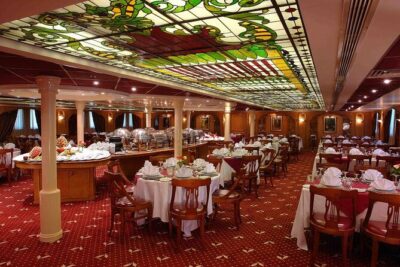
4-Days Nile Cruise From Aswan To Luxor including Abu Simbel and Hot Air Balloon
Read our review →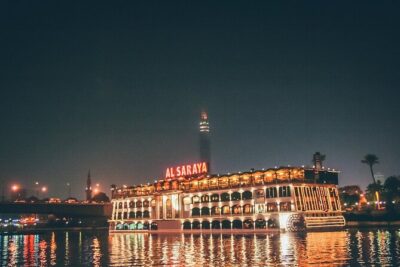
Dinner Cruise on the Nile River with Entertainment
Read our review →
4-Day 3-Night Nile Cruise from Aswan to Luxor&Abu Simbel+Balloon
Read our review →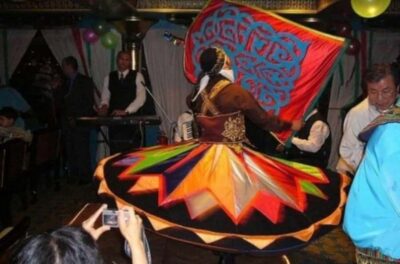
Nile Dinner Cruise with Belly Dancer Show with Pickup
Read our review →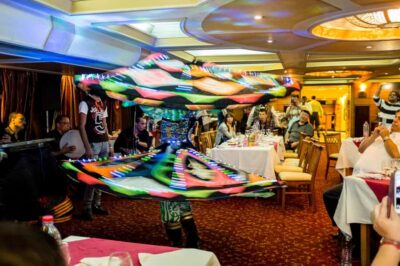
4-Day 3-Night Nile Cruise from Aswan to Luxor including Abu Simbel, Air Balloon
Read our review →
4-Day Nile Cruise from Aswan to Luxor with Guide
Read our review →Browse the lists this tour appears in