
Review · LI RIVER AND YANGTZE CRUISES
China Golden Triangle Cities & Yangtze River Cruise
China packs a lot into twelve days. This tour links Beijing, Xi’an, the Yangtze River, and Shanghai with guides, hotels, internal transport, entry fees, and meals arranged in advance. I like the smart route: imperial sights first, ancient treasures next, then a slower river cruise before finishing among Shanghai’s bright city views. I also like the variety, from a family visit near the Terracotta Army to a rickshaw ride through Beijing’s hutongs.
The main concern is the pace. You cover huge distances by high-speed train, plane, coach, and ship, and several days run from morning until evening. The published information also contains a mismatch: the tour is described as 14 days in one place, while the detailed schedule covers 12 days. Confirm the exact dates and hotel nights before paying the $3,139 price.
Five details that shape this China tour
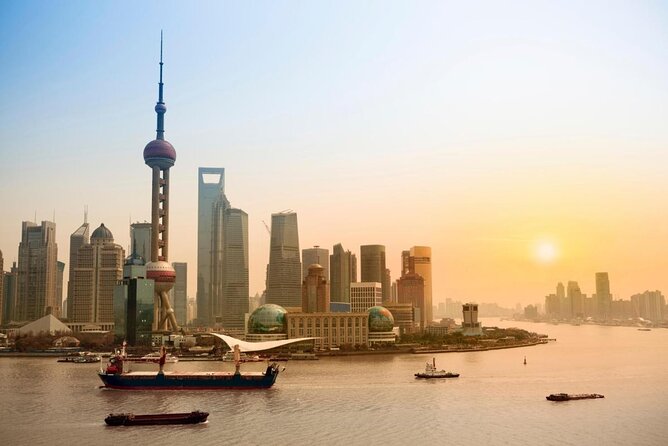
- Mutianyu includes a round-trip cable car, with a chairlift and toboggan option if you want more excitement.
- The Yangtze cruise lasts three nights, with full board and stops at Shennong Stream and Three Gorges Dam.
- Xi’an gets two full sightseeing days, including the Terracotta Army, City Wall, Great Mosque, Muslim Quarter, and Shaanxi History Museum.
- Two high-speed rail journeys are included, Beijing to Xi’an and Yichang to Shanghai.
- Local guides change by city, with named guides including Tina, Maggie, Jackie, Tom, and Chris praised for their energy and service.
- The schedule is very full, and the listed 12-day route does not match the separate 14-day description.
What $3,139 buys you
At $3,139 per person, this is not a bargain-basement China trip. It is a packaged journey designed to remove much of the work involved in organizing a complicated route across the country.
Your price includes twin-sharing hotel accommodation, a cruise cabin, one economy flight from Xi’an to Chongqing, two high-speed rail journeys, local guides, drivers, air-conditioned vehicles, entrance fees, bottled water, 11 breakfasts, two dinners, and five lunches. The Yangtze cruise includes full board, which matters because meals on board can otherwise add up quickly.
The value comes from the connections. You do not need to arrange your own transfer from a Beijing hotel to the railway station, find your way from the airport in Chongqing to the ship, or work out the transfer from Yichang to your Shanghai hotel. Those details are often the tiring part of a China itinerary.
Still, the price does not cover your international flights, Chinese visa costs, or gratuities. Some meals are also on your own, which gives you room to choose local food but means the final cost will be higher than the headline figure.
The tour requires at least two people per booking. The information calls it a private activity for your group, yet the experience has also been described with small groups of 13 and 17 people. Ask how your departure will be organized. That answer affects the feel of the trip, especially at crowded sights.
More Li River and Yangtze Cruises in China:
- Huangpu Night Cruise: Cozy Vibe & Modern Shanghai Glow
★ 4.3 · 520 reviews - Private Evening Tour: VIP Huangpu River Cruise and Shanghai Lights
★ 5.0 · 150 reviews - 1 Day Li River Cruise from Guilin to Yangshuo with Private Guide & Driver
★ 5.0 · 148 reviews
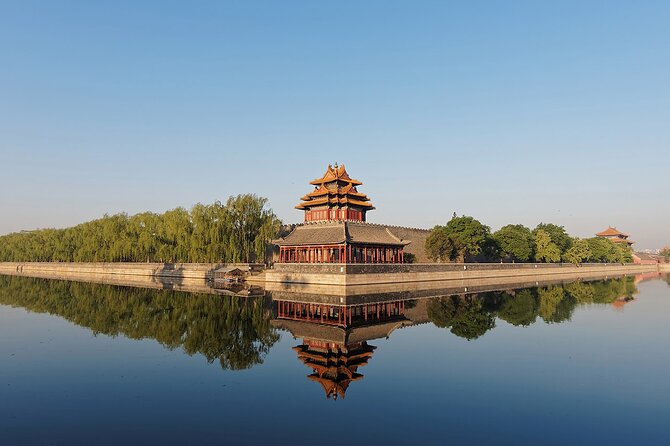
Beijing begins with emperors and huge public spaces
Your first day is deliberately light. A guide meets you at Beijing Capital Airport, helps with the hotel transfer and check-in, and leaves the rest of the day open for rest or your own plans. That is sensible after a long international flight, although the listed meeting time of 9:00 a.m. may not apply to every arrival. Confirm the pickup details tied to your flight.
Day two starts at Tiananmen Square, where you have about 30 minutes. The square is vast and politically important, but the visit is brief. Expect a security-conscious public space rather than a relaxed plaza stop.
The Forbidden City receives the time it deserves, about three hours including an included lunch at a local restaurant. You need at least two hours just to begin taking in its courtyards, gates, halls, and palace scale. Wear comfortable shoes. The route is open and exposed, and the complex can feel tiring when crowds are heavy.
Lunch is listed as an à la carte meal valued at CNY 150 per person. That is a useful inclusion because it gives you a proper midday break without leaving the group to search for food near one of Beijing’s busiest attractions.
The Lama Temple follows in the afternoon. This working religious site brings a different mood, with Han, Mongolian, and Tibetan design elements. An hour is enough for a focused visit, though the day already contains a lot of walking and visual information.
At the Temple of Heaven, the emphasis shifts from imperial residence to ritual. Emperors came here to worship, and the ceremonial layout makes more sense when a guide explains how the site functioned. The stop lasts about 90 minutes.
Mutianyu and Beijing’s old lanes
Day three is one of the tour’s big rewards. Mutianyu is the selected Great Wall section, and the schedule allows about three hours. A round-trip cable car is arranged, making the climb manageable, though you still need to walk on uneven stone and deal with steps once on the wall.
You can choose a chairlift up and toboggan down instead. That option costs extra if the price is not included in your booking, but it adds a playful touch to a very serious monument. The cable car is the practical choice. The toboggan is for people who want the ride to be part of the memory.
The wall views are the reason to come here. You see the structure run along ridges and away into the distance, rather than simply viewing a single restored gate. The stop is not suitable for anyone who cannot manage walking and stairs, even with the cable car.
On the return to the city, there is a short photo stop at the Bird’s Nest, the stadium built for the 2008 Olympic Games. It is not an interior visit, so treat it as a quick architectural pause.
The day ends with a rickshaw tour through hutong alleys and a visit with a local family. This is a welcome change from grand monuments. The hutongs show older neighborhood life and make Beijing feel more human after two days of palaces and ceremonial grounds.
One guide named Tina received particular praise for managing a group of 17 people while answering questions and keeping the day moving. That kind of group control matters in Beijing, where a simple crossing or entrance queue can consume time.
Xi’an gives the ancient past a human face
On day four, the Summer Palace receives two hours before you head to the railway station for the high-speed train to Xi’an. The palace offers lakeside views, gardens, bridges, and royal retreat buildings. Two hours gives you a useful introduction, but not the freedom to explore every corner.
The train journey is a strength of the itinerary. High-speed rail is more comfortable than a long road transfer and turns a major distance into a manageable travel block. On arrival, a local guide meets you and takes you to the hotel.
The next morning belongs to the Terracotta Army. Allow four hours. The three main pits, the figures, horses, and military formation are the central attraction, but the scale takes time to absorb. Your guide can help you understand the site as more than a line of famous statues.
The family visit to the home of the first person credited with discovering the army adds a personal note. You also make a small clay warrior with help from a local artisan. It is a modest activity, but it breaks up the museum visit and gives you something tactile to remember.
The Big Wild Goose Pagoda follows in central Xi’an. This Tang Dynasty structure was used to store Buddhist scriptures brought from ancient India. Afterward, you have about 40 minutes at Grand Tang Dynasty Ever-Bright City, a pedestrian area where people dress in traditional clothing and enjoy public performances and shops. It can feel touristy, but it also gives you a glimpse of how historical themes are presented in present-day Xi’an.
A few more river trips around China worth comparing
- Shanghai Night River Cruise Tour with Xinjiang Style Dining Experience
★ 5.0 · 324 reviews - Shanghai: Night River Cruise Tour with Xinjiang Style Dining
★ 5.0 · 210 reviews - From Guilin: 4 Star Luxury Li River Cruise with Buffet Lunch
★ 4.3 · 80 reviews - Chongqing: Two Rivers Night Cruise- Yangtze & Jialing Rivers
★ 4.5 · 64 reviews
Xi’an’s City Wall, mosque, and food street
Day six is one of the better-balanced days. You start at the City Wall Park, then go up onto the ancient wall for about two hours. You can walk the top or rent a bicycle at your own cost. The bike is worth considering if your legs are fresh, since the broad wall gives you a different view of the city than a museum or street-level tour.
The Great Mosque shows the meeting of Chinese and Islamic design traditions. It is not presented as a grand Middle Eastern-style mosque. Its Chinese architectural character is the point, and a guide can make that blend easier to read.
Next comes the Muslim Quarter, where you have an hour to browse snacks and street food. This is a good place to be curious, but pace yourself. With several more stops ahead, a light tasting approach works better than a full meal.
The Shaanxi History Museum closes the sightseeing day with two hours of objects from across the region and different periods of Chinese history. This stop helps connect the sites you have already seen, from the Tang-era pagoda to the imperial tomb army.
Guides named Maggie, Jackie, Tom, and Chris were praised for their service and local knowledge on a small-group trip, along with the food and hotel arrangements. The useful lesson is to value the local guide system here. You do not have one escort explaining every city through the whole route, but you do get people focused on their own area.
Chongqing and the Yangtze cruise
Day seven changes the rhythm again. You fly from Xi’an to Chongqing, meet a local guide, see pandas and visit Ciqikou Village, then board the ship. Ciqikou’s older streets, folk houses, and spicy snacks offer a short introduction to Chongqing before the river journey begins.
This is a long day, listed at about six hours, and the flight, city visit, transfer, and boarding all happen in one stretch. Keep your essentials easy to reach. Your main luggage may need to be handled during several transfers.
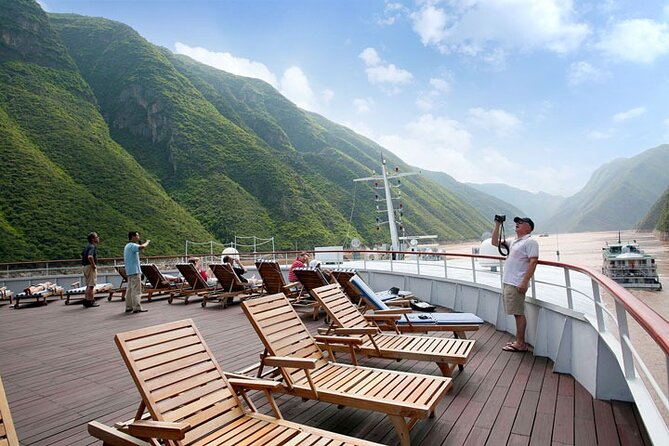
The cruise includes full board and begins with an orientation covering river geography and local lore. That briefing is useful because the river is not simply scenery outside the window. The guide explains what you are seeing and how the river fits into China’s geography.
After lunch on day eight, you leave the ship for Shuangguishan National Forest Park. The day ends with a captain’s welcome party featuring Chinese folk dancing and music. This is a more packaged part of the tour, but it gives you a social evening after a quiet day on board.
Day nine is the scenic heart of the cruise. You pass through Qutang Gorge, known for its short, narrow scale and dramatic rock walls, then Wu Gorge with its high, mist-covered peaks. At Shennong Stream, a smaller motor boat takes you closer to the water and rock formations.
The boat trip is more active than simply watching the river from the cruise deck. You may see moss-covered rocks, plants, and wildlife along the stream, though the exact sightings cannot be guaranteed. The day lasts about eight hours, so bring patience for a long excursion.
The next morning, you pack and complete checkout before visiting the Three Gorges Dam. The stop lasts about two hours. It is an important modern engineering site and a sharp contrast to the natural gorges and older monuments seen earlier.
Shanghai finishes with gardens and skyline views
After the dam visit, the cruise company transfers you to the Three Gorges Tourist Center in Yichang. A local guide takes you to the railway station for the high-speed train to Shanghai. The transfer and train block is listed at about seven hours, so this is another day when the transport schedule matters as much as the sightseeing.
Shanghai begins with the Shanghai Museum, one of China’s major museums for ancient art. Two hours gives you a useful selection, but the museum could easily take longer if you want to study every collection.
Yu Garden follows, along with the traditional bazaar nearby. The Nine Zigzag Bridge and mid-lake pavilion are the visual center of the garden. This is a compact, decorative stop, and the nearby market gives you time to browse before the included farewell lunch.
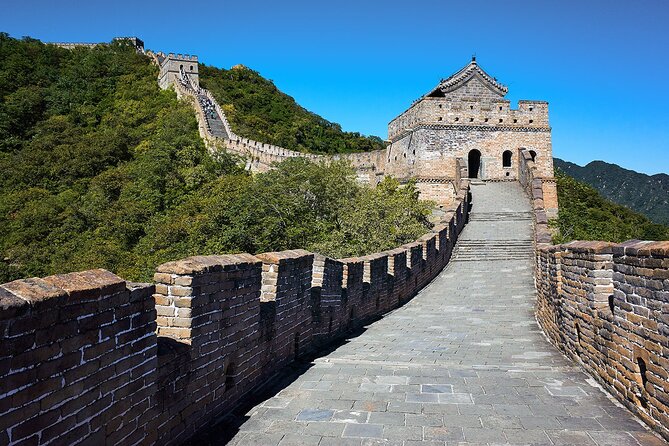
The lunch is à la carte and valued at CNY 150 per person. After eating, you take a one-hour Huangpu River cruise. This is one of the best ways to see Shanghai’s opposing faces, with historic buildings on one side and modern city architecture on the other.
You then have free time on the Bund. Thirty minutes is enough for photographs, but it is short if you want to walk the full waterfront or stop inside a building. The day finishes at Tianzifang, a cultural lane of arts shops, bars, and restaurants. It is a pleasant final stop, though it may feel more commercial than the hutongs in Beijing or the Muslim Quarter in Xi’an.
Practical details before you commit
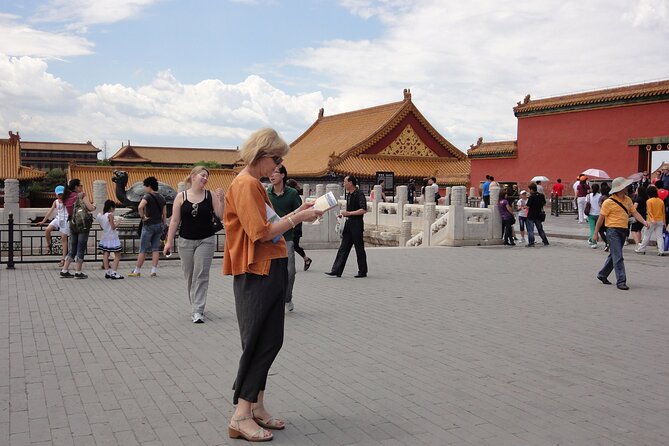
The tour uses a mix of hotels, trains, planes, road transfers, and a cruise cabin. That variety is its strength, but it also means you should expect regular packing and unpacking.
Two bottled waters per person per day are included. Breakfast is provided for all 11 mornings listed, while lunch and dinner coverage is partial outside the full-board cruise. Gratuities for guides and drivers are not included, and they are recommended.
A passport valid on the travel date is required, along with passport details for every person at booking. A Chinese visa and international airfare are your responsibility.
The cancellation rule is strict: the experience is non-refundable and cannot be amended after booking. Given the duration mismatch and the different descriptions of group size, get the exact schedule, departure dates, hotel list, and group arrangement confirmed before making payment.
Who should book this route?
I would recommend it to you if this is your first major China trip and you want the famous sights without building every train, flight, transfer, and ticket reservation yourself. It suits people who value local guides, included transport, and a broad first look at the country more than long stays in one city.
It is less suitable if you prefer slow mornings, independent meals, or several free days. The route is packed, the travel distances are substantial, and some sightseeing days run for six to eight hours.
The most important question is not simply if you like the attractions. Almost everyone will like the Great Wall, Terracotta Army, and Three Gorges. The real question is if you are comfortable moving quickly between them.
Should you book it?
Book this tour if you want a carefully connected first visit to China, especially if Beijing, Xi’an, the Yangtze, and Shanghai are all on your must-see list. The included rail journeys, cruise meals, airport transfers, guides, and entrance tickets give the $3,139 price real value.
Before booking, confirm whether your departure is 12 or 14 days, whether it is truly private or shared with a small group, and what is included in the hotel and cruise schedule. If those details match your expectations, this is a strong route for seeing major Chinese landmarks in one organized trip.
FAQ
How long is the tour?
The detailed schedule covers 12 days, from arrival in Beijing through departure from Shanghai. Another description calls it a 14-day tour, so you should confirm the exact duration before booking.
What cities and regions does the tour visit?
The route includes Beijing, Xi’an, Chongqing, the Yangtze River cruise route, Yichang, and Shanghai. The overview also mentions Lhasa, but Lhasa does not appear in the detailed 12-day schedule.
Is the Yangtze River cruise included?
Yes. The package includes a Yangtze River cruise with full board. The scheduled cruise lasts three nights and includes Shuangguishan, Shennong Stream, and Three Gorges Dam.
Which transport is included?
The package includes a one-way high-speed train from Beijing to Xi’an, a one-way economy flight from Xi’an to Chongqing, and a one-way high-speed train from Yichang to Shanghai. Transfers with guides and drivers are also included.
Are meals included?
Yes, but not every meal outside the cruise. The package includes 11 breakfasts, five lunches, and two dinners. The cruise includes full board, and two listed lunches are à la carte meals valued at CNY 150 per person.
Is the Great Wall cable car included?
A round-trip cable car at Mutianyu is included. You may choose a chairlift up and toboggan down instead, but the provided details do not state whether that option costs extra.
What is not included in the price?
International airfare, Chinese visa fees, and gratuities for guides and drivers are not included. Gratuities are recommended.
Is a minimum number of people required?
Yes. At least two people are required per booking. The activity is described as private for your group, but other information refers to small groups, so confirm the group format for your departure.
What documents are needed to book?
You must provide each participant’s passport name, passport number, passport expiry date, and country. A current valid passport is required on the day of travel.
Just added around China
- 8 Hour Private Excursion Cruise Ship Pick up Tour Driver & Guide★ 5.0 · 11 reviews
- Li River Cruise Reed Flute Cave Elephant Hill Daxu Town Day Tour★ 5.0 · 5 reviews
- 3-Day Private Guilin Tour with Li River Cruise and Yangshuo★ 5.0 · 35 reviews
- Short Li-River cruise and Longji Rice Terraces Private Day Tour★ 5.0 · 4 reviews
- Li River cruise & Yangshuo countryside private day tour★ 4.5 · 34 reviews
- Li River Cruise ticket from Guilin to Yangshuo with pickup★ 4.0 · 8 reviews
- Li River Cruise with bamboo Rafting & Xianggong Hill Private Tour★ 5.0 · 14 reviews
- 1 Day Private Tour: Li River Cruise from Guilin & Yangshuo Biking★ 5.0 · 35 reviews
Li River and Yangtze Cruises, compared.
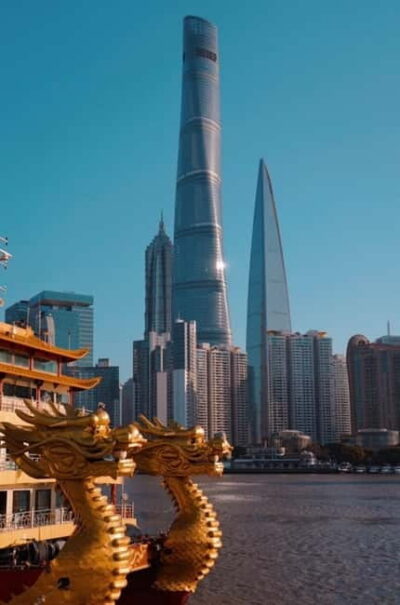
Huangpu Night Cruise: Cozy Vibe & Modern Shanghai Glow
Read our review →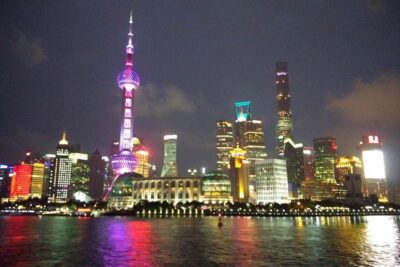
Private Evening Tour: VIP Huangpu River Cruise and Shanghai Lights
Read our review →
1 Day Li River Cruise from Guilin to Yangshuo with Private Guide & Driver
Read our review →
Ayutthaya Temples Tour from Bangkok with Grand Pearl River Cruise
Read our review →
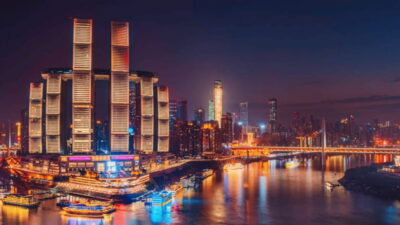
Chongqing: Two Rivers Night Cruise- Yangtze & Jialing Rivers
Read our review →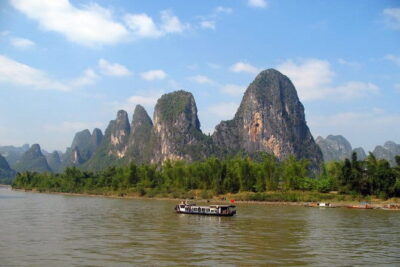
Li River Cruise and Yangshuo Private Day Tour from Guilin
Read our review →
Guangzhou: Pearl River 1-hour Night Cruise (Optional Piers)
Read our review →Browse the lists this tour appears in