
Review · NILE CRUISES
4-Day 3-Night Nile Cruise from Aswan to Luxor
The Nile turns sightseeing into a moving story. This 4-day, 3-night cruise links Aswan and Luxor with visits to Philae, Kom Ombo, Edfu, the Valley of the Kings, Hatshepsut’s temple, Karnak, and Luxor Temple. I like the way the route combines major ancient sites with three nights on the river, and I also like that the group is limited to a maximum of 15 people, a useful size for temple visits and guide questions.
The main caution is that the ship standard needs careful confirmation. The tour describes a standard vessel with a pool, while one detailed account found the boat far below a five-star expectation and criticized the meals. Other feedback praised the Radamis 2, its staff, food, and entertainment. I would ask for the exact ship name and cabin photos before paying.
Key points to know before booking
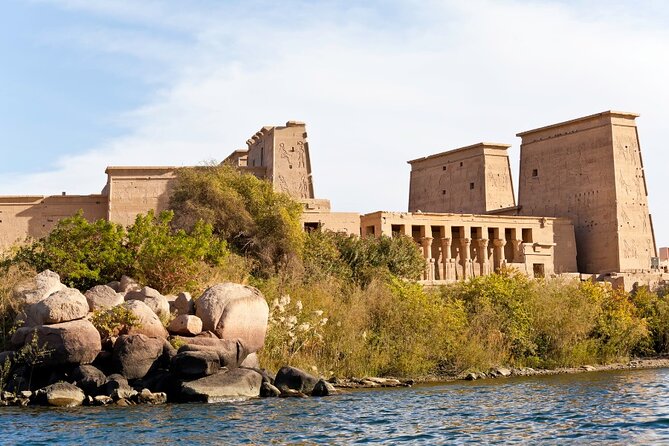
- Philae Temple requires a boat ride: The temple was moved to higher ground after the old dam caused flooding, making the approach part of the experience.
- Abu Simbel is optional: The extra-cost trip begins around 4:00 a.m., lasts about eight hours, and aims to return for lunch.
- The cruise is full board: Three breakfasts, three lunches, and three dinners are included, along with afternoon tea and onboard entertainment.
- The route covers Egypt’s major southern temples: You visit Kom Ombo, Edfu, Luxor Temple, Karnak, Hatshepsut’s temple, and the Valley of the Kings.
- Admission details need clarification: Some sites are listed as included, but several stop descriptions say admission tickets are not included.
- Guide quality is a major strength: Michael, also spelled Mickael in the feedback, is praised for clear explanations, personal help, and keeping the trip comfortable.
Why this Aswan to Luxor route works so well
A Nile cruise is useful because it reduces the repeated packing and unpacking that comes with visiting several Egyptian sites. You sleep on the ship while the scenery changes outside your window, then leave for a temple visit when the boat reaches the next stop.
This route travels north from Aswan to Luxor. It covers the central stretch of the Nile that most first-time Egypt visitors want to see. You get major temples, royal tombs, river views, meals, and transport in one package.
The price is listed at $295 per person. That is attractive for three nights of accommodation, full-board meals, transport in an air-conditioned minivan, and a guide. The value depends on the ship, cabin condition, and entrance fees. If the listed price truly includes the key site admissions, it is strong value. If you must pay several entrance fees separately, the final cost will be higher than the headline price.
The group limit of 15 is another plus. It is not a private tour, but it should be easier to hear the guide and move through temple courtyards than in a large coach group. Pickup is offered, and confirmation is provided when you book. The tour is also described as suitable for most people, with access to public transportation nearby.
More Nile Cruises in Cairo:
- Cairo: Dinner Cruise on the Nile River with Entertainment
★ 4.2 · 2,190 reviews - Cairo: Nile Dinner Cruise with Belly Dancer Show with Pickup
★ 4.4 · 835 reviews - Cairo: Dinner Cruise on the Nile River
★ 4.2 · 741 reviews
Day 1: Aswan High Dam and the rescued temple of Philae
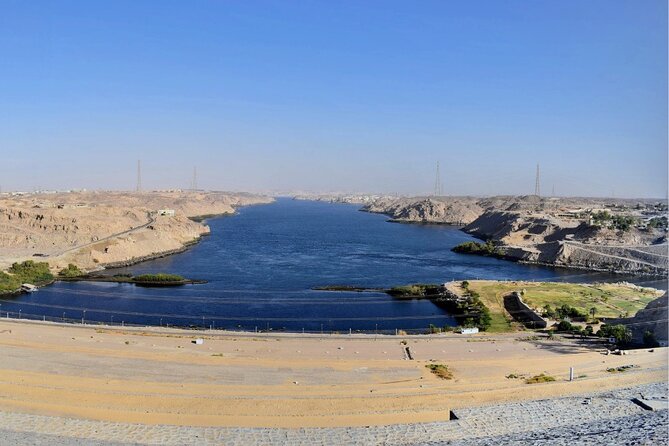
Your first day begins in Aswan with a visit to the High Dam. The dam changed Egypt’s water supply and created Lake Nasser, but its construction also placed important monuments at risk. The visit gives you useful background for understanding why Philae was moved.
The High Dam stop is scheduled for about four hours together with the first day’s activities. The timing may include transport and waiting, so you should not assume four full hours at the dam itself.
Philae Temple is the day’s memorable stop. It was the last major temple built in Egypt during the Greco-Roman period, and its setting on an island gives it a different feel from the temples reached by road. The original site was threatened by rising water after the old dam was built. An international relocation project moved the temple to safer ground.
You visit the temple for about two hours. The guide can help you read the carvings and understand how Egyptian religious traditions continued into the Greco-Roman era. This is one of the places where a good Egyptologist makes a real difference, since the stones can look like a collection of columns until someone explains the figures, rooms, and rituals.
You spend the night in Aswan and have the option to leave the ship. Lunch and dinner are served onboard, with an evening disco party listed as entertainment. The party will appeal to some people and feel unnecessary to others. I would treat it as an optional extra rather than a reason to choose the cruise.
The stop descriptions say admission tickets are not included for the High Dam and Philae, even though Philae appears in the general list of included tours. This is worth settling before departure. Ask exactly which entrance tickets, boat charges, and service fees are covered.
Day 2: Abu Simbel or a slower morning on the ship
Abu Simbel is offered as an optional excursion for an additional cost. It begins very early, around 4:00 a.m., and takes about eight hours. The stated plan is to return to the ship around 1:30 p.m. for lunch.
The temples at Abu Simbel were carved into sandstone during the reign of Ramesses II around 1290 B.C. Their huge seated figures and dramatic setting make this one of Egypt’s strongest optional trips. The catch is the schedule. You will spend most of the morning on this add-on, and the early departure leaves little time for sleep.
If you have always wanted to see Abu Simbel, the extra cost and early start may be worth it. If you are already tired from flights, transfers, or a busy Cairo schedule, staying with the ship may make the rest of the cruise more enjoyable. The base cruise does not require this excursion.
In the afternoon, the ship sails toward Kom Ombo. The journey takes about three hours. This is the part of the day when you can sit on deck, use the swimming pool, have afternoon tea, or simply watch the riverbanks pass by.
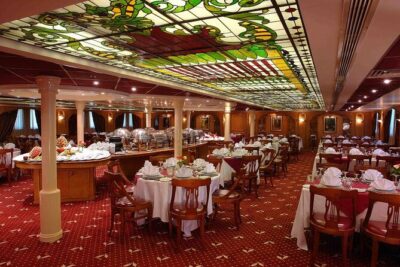
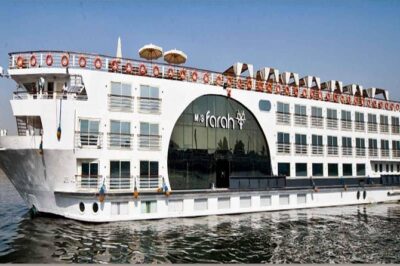
The cruise experience itself depends heavily on the boat. The vessel is described as a standard ship with a pool and onboard entertainment. One detailed account praised the Radamis 2, especially restaurant staff member Tarek, and found the food plentiful and varied. Another account described the ship as far below a five-star standard and found the buffet heavy on rice, potatoes, and bread, with small portions of meat and fish.
I would read this as a warning to keep expectations realistic. Think of the ship as practical transport with a floating hotel room, not as a luxury resort. Ask for the current vessel, cabin category, pool condition, meal style, and recent photographs.
Kom Ombo and the crocodile god Sobek
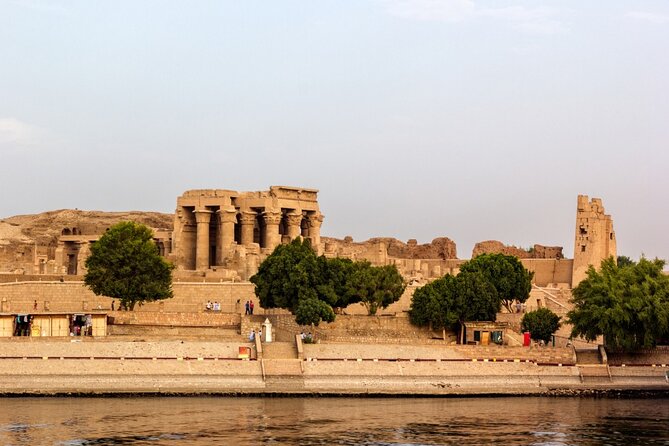
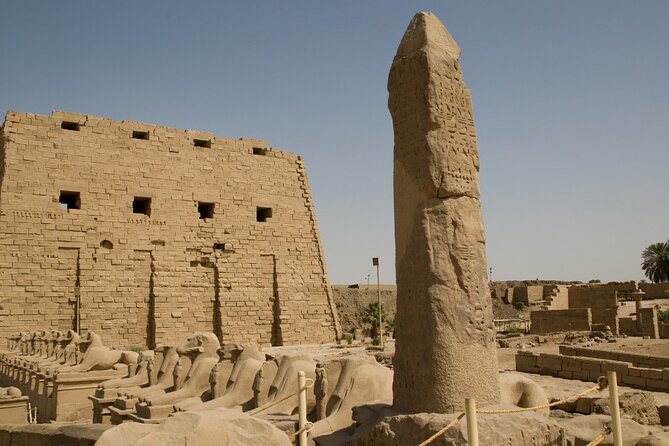
Kom Ombo is unusual because it is a double temple. Two religious traditions share the same complex, with one side devoted to Sobek, the crocodile-headed god, and the other associated with the falcon-headed Haroeris.
The temple visit lasts about an hour, followed by the crocodile museum. The museum adds a memorable touch because crocodiles were sacred in ancient Egypt and could be mummified. You may find the site especially interesting at the end of the day, when the setting sun gives the columns and reliefs strong shadows, though the exact light depends on the sailing schedule.
After the visit, the ship continues to Edfu for the night. The stop description lists admission as not included, while the general inclusions name the Kom Ombo tour. Again, confirm the ticket arrangement. Tipping, drinks, and excursions not specifically mentioned are excluded.
A few more river trips around Cairo worth comparing
- From Cairo: 4-Day Nile Cruise to Luxor with Balloon Flight
★ 4.2 · 112 reviews - From Cairo 4-Day Nile Cruise to Aswan by Flights& Hot Air Balloon
★ 4.5 · 44 reviews - 4 Day Luxor&Aswan Nile cruise&Abu Simbel by plane from Cairo.Hot deal
★ 5.0 · 31 reviews - 4 Day Nile Cruise from Cairo to Aswan and Luxor
★ 5.0 · 27 reviews
Day 3: Edfu Temple and evening at Luxor Temple
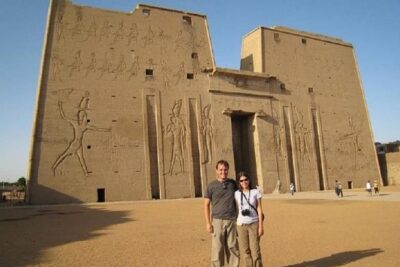
Edfu Temple is dedicated to Horus, the falcon god. It is one of Egypt’s best-preserved temples, which makes it easier to picture how a large religious complex once worked. You can see gateways, courtyards, columns, inscriptions, and reliefs with less guesswork than at ruins that have lost much of their structure.
The visit lasts about an hour. That is enough for a guided overview, but it may feel quick if you like photographing details or reading every inscription. Stay close to the guide at the beginning, then use any free time to look again at the areas that caught your attention.
The ship then sails toward Luxor through Esna. Navigation schedules can change, so you should expect some waiting around the lock or port rather than a perfectly fixed timetable. This is a good day to use the pool or relax between excursions.
In the evening, you visit Luxor Temple. It was linked with Karnak by an avenue of sphinxes, and its placement near the modern city gives it a different character from the isolated sites farther south. The temple is especially effective when lit after dark, though the tour timing can vary.
The visit is scheduled for about two hours. You will see monumental gateways, columns, statues, and later additions that show how the site continued to matter across different periods. The stop description marks the admission ticket as not included, despite Luxor Temple appearing among the listed tours. Put this question in writing before you travel.
You spend the night in Luxor. This is useful because the final day begins with the west bank sites and ends with Karnak. It also means you do not have to rush back south after visiting the temples.
Day 4: The Valley of the Kings and Hatshepsut’s temple
Checkout takes place after breakfast. The morning moves to Luxor’s west bank, the ancient Theban necropolis. Here, more than 60 royal tombs were cut into the cliffs, although the number open to visitors can vary.
The Valley of the Kings is not a single grand monument. It is a collection of tomb entrances, corridors, chambers, and painted scenes spread through a dry valley. Your guide can explain why the pharaohs chose hidden cliff tombs rather than the large pyramids associated with earlier royal burials.
The scheduled visit lasts two hours. Entrance rules and the tombs available to enter are not specified, so confirm what your ticket covers. Some tombs may require an extra charge, and the main tour fee should not be assumed to cover every optional tomb.
Next comes Hatshepsut’s temple at Deir el Bahari. Hatshepsut ruled Egypt around 1475 B.C. and is described in the tour material as a woman who took on the role and imagery of a king. Her memorial temple is built in broad terraces against the cliffs, with long lines and strong geometric shapes.
The visit lasts about an hour. I would listen closely to the guide here because Hatshepsut’s story is easy to reduce to a simple tale about a female ruler. The carvings and layout reveal how royal power was presented, not just who sat on the throne.
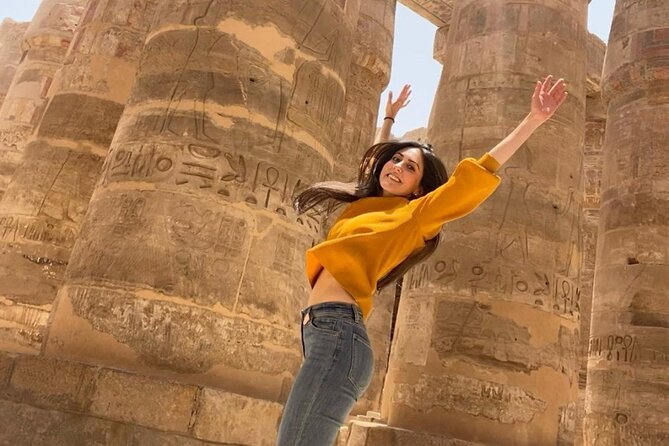
The final stop is Karnak Temple, scheduled for two hours. Karnak is not one building but a vast religious complex devoted mainly to Amun-Ra, one of the most important gods in ancient Egyptian belief. The scale can be hard to grasp at first. Let the guide establish the basic plan, then spend time with the columns, obelisks, reliefs, and sacred spaces.
Karnak is a fitting final stop because it brings together much of what you have seen on the cruise: royal authority, temple rituals, religious imagery, and centuries of additions. The tour ends after this visit. Transport is provided by air-conditioned minivan, but the final drop-off point is not specified, so confirm it if you have a hotel, train, or flight to catch.
Meals, cabins, and life onboard
Three breakfasts, three lunches, and three dinners are included. Afternoon tea is also advertised, along with a swimming pool and onboard entertainment. Drinks are not included, so budget separately for water, soft drinks, and any other purchases.
Food quality may be the most variable part of the trip. One account found the buffet repetitive, with rice, potatoes, bread, and small amounts of chicken, beef, and fish. Another found the food plentiful and varied enough, especially freshly cooked choices. I would expect functional buffet meals rather than fine dining.
The staff received warmer praise than the ship itself. Tarek in the restaurant was described as helpful and welcoming, and Michael was repeatedly praised for looking after people, answering questions, and helping with arrangements beyond the basic sightseeing. That personal support can matter in Egypt, where transport, ticketing, and timing can sometimes feel confusing.
The tour promises a pool, but it does not describe the pool’s size or operating condition. If swimming is important to you, ask for current details rather than treating it as a major resort feature.
The guide can shape the whole experience
Michael, also written as Mickael in some feedback, is the name most closely linked with the positive side of this trip. He is praised for explaining Egypt without long, dull lectures, helping people avoid tourist traps, and making the group feel safe and comfortable.
That kind of guide is valuable on a Nile cruise because the days are tightly scheduled. You want clear instructions about meeting points, temple timing, and optional trips. You also want someone who can explain the difference between a pharaoh’s temple, a tomb, and a later religious addition without turning every stop into a classroom session.
Guide coverage can vary by day, so confirm who will accompany you at each site. The experience includes a qualified Egyptology guide, but the supplied details do not promise that one person stays with the group from start to finish.
Who should book this cruise?
I would recommend it to a first-time Egypt visitor who wants the main Aswan to Luxor sites without arranging each transfer alone. It suits people who like having meals and accommodation bundled together and who prefer a small group to a large coach.
It is also a good fit if you value history but do not want four full days of road travel. The ship gives you downtime between temple visits, and the included minivan transport handles the land portions.
I would be more cautious if you expect a genuine five-star cruise, gourmet meals, a quiet luxury ship, or a highly flexible schedule. The itinerary is busy, the Abu Simbel option starts before dawn, and the vessel standard appears to vary. You should also be comfortable clarifying entrance fees, drinks, tips, and optional excursions.
Free cancellation is available up to 24 hours before the start time. Changes or cancellations inside that window are not accepted for a refund.
Should you book the Aswan to Luxor cruise?
Book it if you want an efficient, history-heavy route with the main temples already arranged, especially if Michael or another similarly strong Egyptologist will guide your dates. At $295 per person, the package can be excellent value if the key entrance fees are included and the ship matches your expectations.
Before booking, ask three direct questions: Which ship will I board? What exactly is included in the entrance fees? Who will guide each day? If the answers are clear and you are happy with a standard rather than luxury cruise, this is a practical way to see the Nile’s greatest concentration of ancient sites.
FAQ
How long is the Nile cruise?
The cruise lasts approximately four days and three nights, traveling from Aswan to Luxor.
What meals are included?
Three breakfasts, three lunches, and three dinners are included. Afternoon tea is also mentioned. Drinks are not included.
Is Abu Simbel included?
No. Abu Simbel is an optional excursion with an additional cost. It starts around 4:00 a.m., lasts about eight hours, and is expected to return to the ship around 1:30 p.m.
Which temples are visited?
The route includes Philae, Kom Ombo, Edfu, Luxor Temple, Karnak Temple, and Hatshepsut’s temple. It also includes the High Dam and the Valley of the Kings.
Is a guide included?
Yes. A qualified Egyptology guide is included. Michael, also spelled Mickael, is associated with several of the guiding and organizing services described for this experience.
Is the tour suitable for most people?
The experience states that most people can participate. The group size is limited to a maximum of 15 people.
Can I cancel for a full refund?
Yes, if you cancel at least 24 hours before the experience start time. Cancellations or changes made within 24 hours are not refunded or accepted.
Just added around Cairo
- night-tour Nile dinner cruise with open buffet and belly dancer★ 5.0 · 9 reviews
- Dinner Nile Cruise belly dancer open buffer tanora show sailing on Nile★ 5.0 · 9 reviews
- 8 Day Stunning Cairo Pyramids and Nile cruise and Hurghada All inclusive★ 5.0 · 43 reviews
- Private Full Day Tour Giza Pyramids ,Museum & Nile Felucca Boat★ 4.0 · 3 reviews
- Cairo dinner Nile cruise with belly dancer show on Nile river★ 5.0 · 2 reviews
- Cairo Private layover tour Giza pyramids,sphinx&Nile Felucca Boat★ 4.5 · 13 reviews
- Private Tour Giza Pyramids , Sphinx & Dinner Nile cruise Show★ 4.5 · 3 reviews
- VIP Private Tour Giza Pyramids ,Nile Dinner Cruise&Pyramid Inside★ 5.0 · 3 reviews
Nile Cruises, compared.
4-Days Nile Cruise From Aswan To Luxor including Abu Simbel and Hot Air Balloon
Read our review →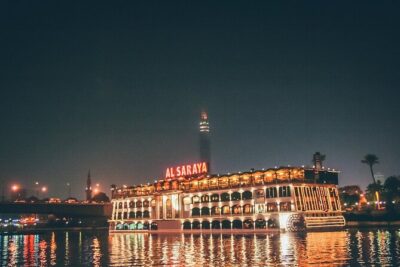
Dinner Cruise on the Nile River with Entertainment
Read our review →
4-Day 3-Night Nile Cruise from Aswan to Luxor&Abu Simbel+Balloon
Read our review →
Nile Dinner Cruise with Belly Dancer Show with Pickup
Read our review →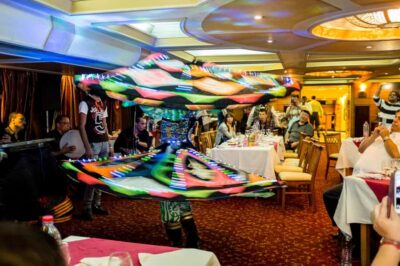
4-Day 3-Night Nile Cruise from Aswan to Luxor including Abu Simbel, Air Balloon
Read our review →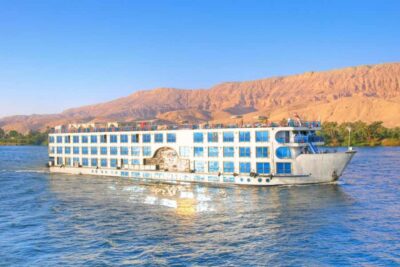
4-Day Nile Cruise from Aswan to Luxor with Guide
Read our review →Browse the lists this tour appears in