
Review · NILE CRUISES
09 Days Egypt Classic Tour Cairo & Luxor – Aswan Nile Cruise
Egypt rewards an early start. This nine-day route links Cairo’s pyramids with the temples of the Nile Valley, using sleeper trains and a three-night cruise to cover a lot of ground without domestic flights. I like the strong range of sights, from the Great Sphinx and King Tut’s treasures to Philae, Karnak, and the Valley of the Kings. I also like the all-in-one transport plan, with airport help, hotel transfers, rail tickets, cruise arrangements, and entrance fees handled for you.
The trade-off is a packed schedule. Sleeper trains replace slower hotel nights, but they can be tiring, and the itinerary includes long sightseeing days followed by evening departures. The price is $2,685.72 per person, so you should check the exact hotel, cruise ship, room type, and meal arrangements before paying.
Key points to know before booking
- Cairo begins with the Pyramids of Giza, the Sphinx, the Egyptian Museum, Coptic Cairo, and Khan Al-Khalili.
- The Nile cruise connects Aswan and Luxor with stops at Philae, Kom Ombo, Edfu, and the Esna locks.
- Two overnight sleeper trains save hotel nights but make this a demanding trip.
- A private tour means only your own group participates, with a guide and arranged transfers.
- Khaled Abbass receives strong praise for communication, care, history explanations, and solving transport requests.
- The price includes three Cairo hotel nights, three cruise nights, two sleeper-train nights, sightseeing admissions, and listed meals.
Cairo arrival and the first view from Cairo Tower
Your first day is mainly about getting settled. A representative meets you on arrival, helps with immigration and customs, collects you with your luggage, and takes you by deluxe vehicle to your Cairo hotel.
That airport assistance is useful after a long international flight. Cairo can feel confusing at first, and having someone guide you through the first formalities removes a layer of stress. The tour then adds an evening visit to Cairo Tower, giving you an early look at the city from above.
The schedule lists a start time of 4:30 a.m., although the first day itself may depend on your arrival details. Confirm your pickup time and hotel name before departure. The package includes three nights in a five-star Cairo hotel on a bed-and-breakfast basis, but the specific property is not given. I would ask for the hotel name, location, and room category in writing.
More Nile Cruises in Cairo:
- Cairo: Dinner Cruise on the Nile River with Entertainment
★ 4.2 · 2,190 reviews - Cairo: Nile Dinner Cruise with Belly Dancer Show with Pickup
★ 4.4 · 835 reviews - Cairo: Dinner Cruise on the Nile River
★ 4.2 · 741 reviews
Day 2: Giza’s pyramids and the Egyptian Museum
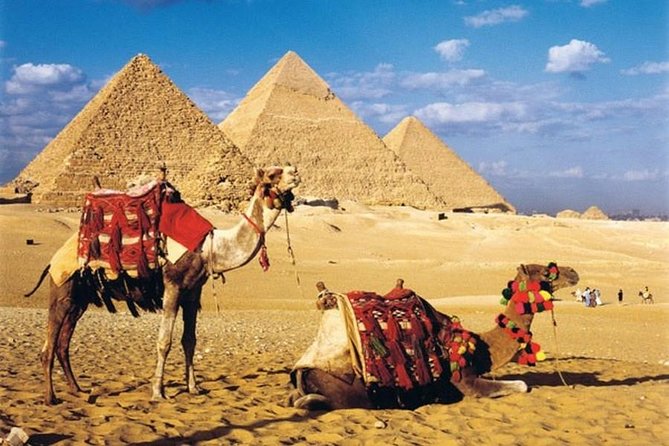
The second day brings the monuments you probably picture first when you think of Egypt. You spend about three hours at the Pyramids of Giza and the Great Sphinx. These enormous structures were built roughly 4,500 years ago on a desert plateau near the Nile.
The three-hour visit gives you time to see the main pyramid area without reducing it to a rushed photo stop. The Great Pyramid, the remaining pyramids, and the Sphinx each need a little time to take in. Admission is included, but the information does not say that entry inside a pyramid is included. Ask before arrival if that is important to you.
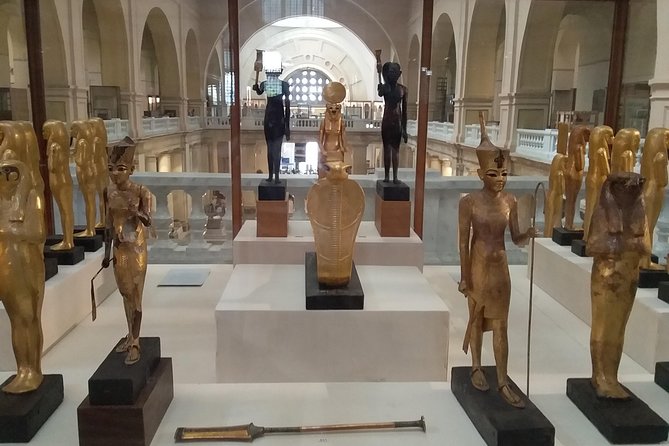
In the afternoon, you spend another three hours at the Museum of Egyptian Antiquities. This is the traditional Egyptian Museum in central Cairo, with rooms filled with statues, burial objects, and other ancient pieces. King Tutankhamun’s golden death mask is one of the headline displays, and an optional visit to the royal mummies may be available.
I like the pairing of Giza and the museum. The pyramids give you the scale, while the museum gives you objects and stories connected to ancient Egyptian life and death. Six hours of sightseeing is a serious first full day, though, so comfortable shoes and water matter.
Day 3: Coptic Cairo and the lanes of Khan Al-Khalili
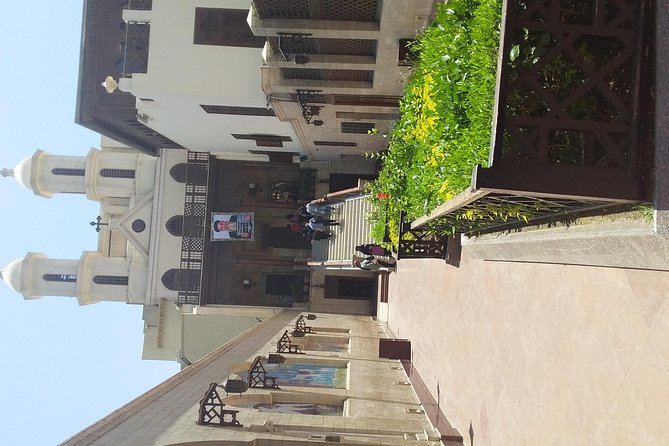
Day three shifts away from royal tombs and monumental stone. In Coptic Cairo, you visit the Hanging Church, the Church of St. George the Martyr, and Abu Serga, also known as the Church of St. Sergius.
These churches are associated with the remains of the Roman-era Fortress of Babylon. Abu Serga is linked by tradition with the Holy Family’s stay in Egypt. The area is important to Christian pilgrims, but it is also valuable for anyone interested in Cairo’s layered past.
The visit lasts about two hours, and admission is included. Your guide can add real value here because the buildings are not understood simply by looking at their walls. Ask about the churches’ positions within the old fortress area and the traditions attached to each site.
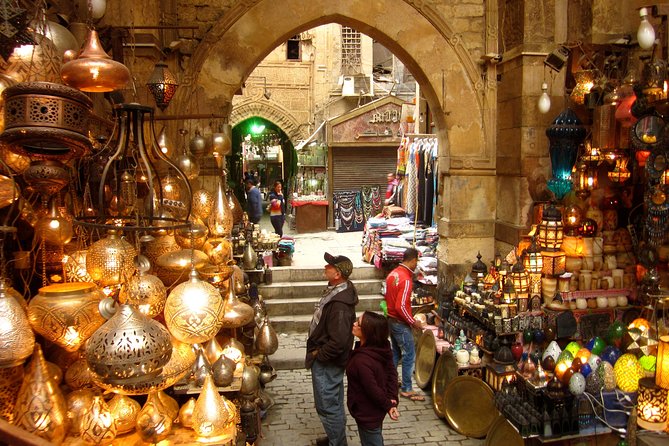
Later, you enter Khan Al-Khalili, Cairo’s famous bazaar. Admission is free, and the visit lasts about two hours. Expect narrow lanes, shopkeepers, spices, perfume oils, fabrics, carpets, jewelry, antiques, and plenty of tourist souvenirs.
I like that this stop leaves room for ordinary Cairo life. You can browse without needing to buy, but bargaining is part of the experience in many shops. If you want spices, perfume oils, gold, or textiles, compare prices before committing. Keep your belongings close in crowded lanes and agree on prices before purchasing anything.
Day 4: A free Cairo period and the overnight train south
After breakfast, you check out and have time on your own before transferring to Ramses Railway Station. The sleeper train to Aswan departs at 8:25 p.m., with dinner served on board.
The Cairo Citadel is offered as an optional suggestion for this day, but its admission is not included. The fortress was completed in 1183 under Saladin and served as Egypt’s seat of government for about 700 years. It is a useful choice if you want another major historic site before leaving Cairo.
The sleeper train is practical because it replaces a hotel night and moves you far south while you sleep. It is also the part of the journey most likely to test your energy. You should expect a fixed rail departure, a night in a train compartment, and dinner and breakfast rather than the same comfort you would have in a hotel.
The package includes two sleeper-train nights on a half-board basis, with breakfasts and dinners listed. Personal expenses and tips are not included. Since the itinerary later includes a second overnight train from Luxor to Cairo, the rail plan is an important part of the experience, not a minor transfer.
A few more river trips around Cairo worth comparing
- 2-Hour Nile River Dinner Cruise From Cairo
★ 4.5 · 672 reviews - ViP Private Effective Nile River Dinner Cruise in Cairo
★ 4.5 · 370 reviews - Nile River Dinner Cruise on a Yacht with Open Buffet
★ 4.5 · 292 reviews - Cairo Dinner Cruise in Nile River With Belly Dancer & Tanora show
★ 4.5 · 256 reviews
Day 5: Aswan, the High Dam, and Philae Temple
The train is scheduled to reach Aswan at 8:15 a.m. A representative meets you at the station and transfers you to the Nile cruise boat, which becomes your floating hotel for the next three nights.
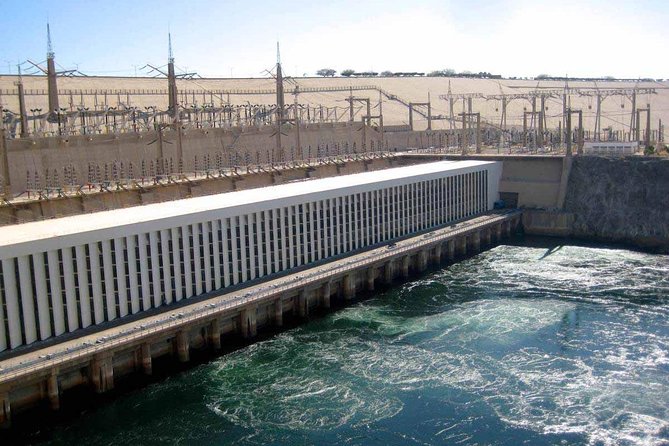
After lunch, you visit the Aswan High Dam. The tour describes it as the world’s largest rock-filled dam. The visit lasts about an hour, and admission is included. The dam changed the flow of the Nile and created Lake Nasser, but its construction also led to the relocation of important monuments.
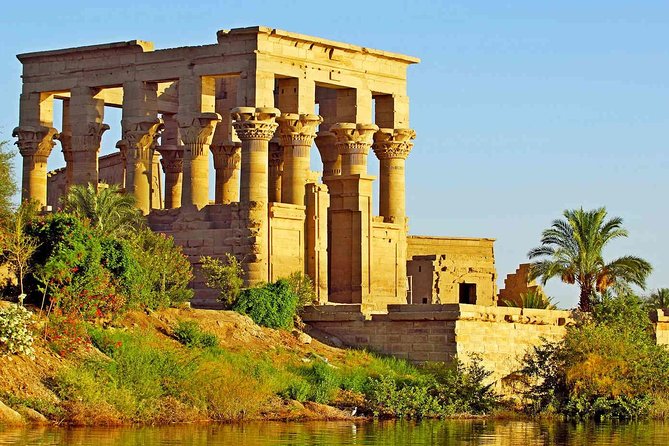
Philae Temple is the day’s more memorable stop. A short boat ride takes you to the temple on Agilika Island. Philae was moved there after rising waters from Lake Nasser flooded its original location. That relocation is a useful reminder that ancient monuments are not always sitting in their first setting.
You return to the cruise boat for dinner as the Nile continues to shape the scenery around you. The cruise is listed as five-star and full board, although the ship’s name, cabin size, and deck facilities are not supplied. Ask for those details if the quality of the boat is central to your decision.
Day 6: Kom Ombo, Edfu, and the Esna locks
The cruise stops at Kom Ombo Temple after breakfast. The temple is dedicated to Horus, the falcon-headed god, and Sobek, the crocodile god. It is damaged, but its reliefs and surviving features include medical instruments and material connected with childbirth.
The visit lasts about two hours. Kom Ombo is especially interesting because its double dedication gives the temple a different plan and character from the single-god temples elsewhere on the route. Bring a hat and water, since much of the appeal comes from examining exposed stone and carved details.
After lunch, you travel by horse carriage to the Temple of Horus at Edfu. The tour describes it as Egypt’s second-largest temple and one of the most complete ancient temples in the country. The carriage is included as part of the planned visit, and the temple admission is included too.
Edfu lets you see what an ancient Egyptian temple can feel like when its walls, columns, and reliefs remain unusually intact. After the visit, you return to the boat before it sails to Esna. There, you watch the ship pass through the locks before continuing toward Luxor after dinner.
This is a full day with several moving parts. The timing matters because the ship must leave Edfu and negotiate the locks. You should stay aware of meeting times and keep essentials with you rather than leaving everything in your cabin.
Day 7: Royal tombs and Hatshepsut’s temple
Luxor brings the tour’s heaviest concentration of ancient sites. After breakfast, you head to the Valley of the Kings, where pharaohs and powerful nobles of the New Kingdom were buried between about 1550 and 1080 BC.
The visit is scheduled for three hours, and admission is included. The standard entry normally covers a set number of tombs, while some famous tombs may require an extra ticket, but this package does not specify those details. Ask your guide which tomb entries are covered.
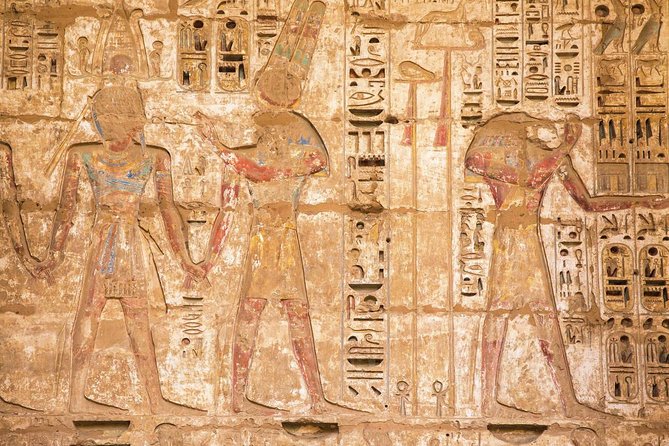
The Valley is not simply a collection of empty rooms. Its importance lies in the painted burial chambers, the religious scenes, and the effort ancient rulers put into preparing for the afterlife. Heat and uneven ground can make this a tiring stop, so plan for sensible footwear.
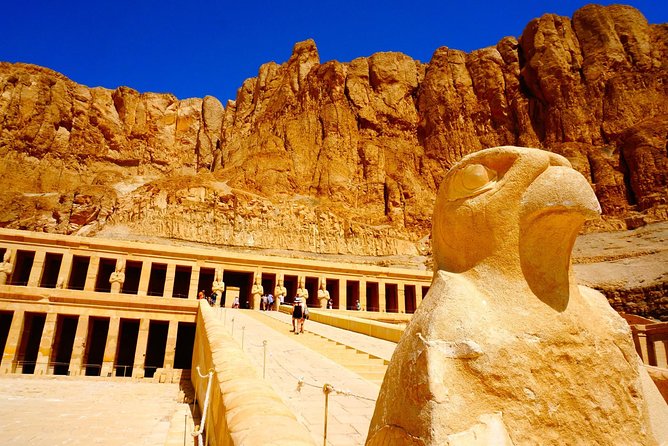
Next comes the Temple of Hatshepsut at Deir el-Bahari. Hatshepsut ruled Egypt for almost 22 years and is remembered as the country’s only female pharaoh in the tour description. Her temple is built in broad terraces against the cliffs, giving the site a strong visual shape.
A two-hour visit allows time to consider both the architecture and Hatshepsut’s unusual position in Egyptian royal history. The day ends with a short photo stop at the Colossi of Memnon, two huge statues that once marked the entrance to Amenhotep III’s funerary temple. The stop lasts about 20 minutes and has no separate admission charge.
Day 8: Karnak, Luxor Temple, and another overnight train
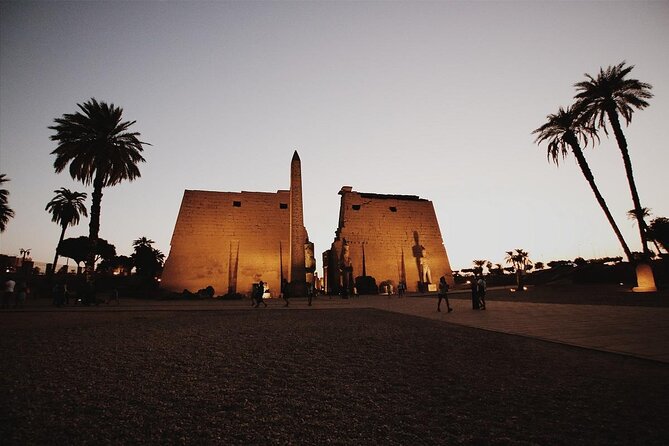
Your final breakfast on the cruise comes before checkout and a visit to Karnak Temple. The complex is dedicated to the Theban triad of Amun-Re, Mut, and Khonsu. A three-hour visit gives you time to walk through one of Egypt’s largest religious complexes.
Karnak rewards slow attention. Columns, gateways, courts, and carved surfaces can blur together if you rush, so stay close to your guide and ask for a simple route through the main areas. Admission is included.
Luxor Temple follows, with about two hours scheduled. Amenhotep III and Ramses II built and expanded it for rituals and festivals, and it was dedicated to Amun-Re, the principal deity of Luxor.
The order of the day matters. You leave the cruise, visit two major temples, then go to Luxor Railway Station for a 9:30 p.m. train to Cairo. Dinner is served on board. This is a lot of ancient Egypt in one day, followed by another night in transit, so the tour suits people who prefer coverage and structure over a slow pace.
Day 9: Return to Cairo and departure
The train is due at Ramses Station at 6:45 a.m. A representative meets you there, and the rest of the day is open until your airport transfer.
Cairo Festival City Mall appears as the listed stop, but no sightseeing duration or activity is explained. I would confirm whether a mall visit is actually part of your day or simply the place connected with free time. Your international flight is not included, and neither are the entry visa, tips, or personal purchases.
The final day can work well if your flight leaves late. If your departure is early, ask how the transfer will be timed. Since the exact return schedule and airport handoff are not described in detail, get those arrangements confirmed before the tour begins.
Guide support, transport, and the real value
The private format is one of this package’s strongest features. Only your group participates, and the provider arranges airport assistance, road transfers, station pickups, cruise boarding, and sightseeing admissions. That can save you from handling separate tickets and local transport at every stop.
Khaled Abbass, also identified in some tour material as Khaled Elomda Abbass, receives especially warm praise for fast WhatsApp communication, strong English, personal attention, and clear explanations. Several people describe him as helpful with family needs, difficult requests, holiday schedules, and transport. One person specifically valued his introduction to Egyptian customs and traditions at the start of the trip.
There is also a clear warning to take seriously. Some feedback describes problems with hotel arrangements, money exchange, refunds, and disputes about what had been paid for. The conflicting accounts mean you should not rely on verbal promises. Have the hotel names, cruise details, included meals, train arrangements, and any optional costs written down.
At $2,685.72 per person, the package is not a budget Egypt trip. Its value comes from the amount of coordination included: three Cairo hotel nights, three cruise nights, two sleeper-train nights, entrance fees, transfers, and listed meals. It becomes less attractive if you want premium hotels, long free periods, or the flexibility to change plans.
The meal information also deserves a check. The package describes the cruise as full board, the hotels as bed and breakfast, and the sleeper trains as half board. It separately lists four dinners, seven breakfasts, and three lunches. Those figures do not fully explain every meal shown in the daily schedule, so ask for a day-by-day meal chart.
Who should book this Egypt itinerary?
I would recommend it to a first-time Egypt visitor who wants the major sights in one organized trip. It suits people who value a private guide, arranged transfers, and historical explanation more than independent wandering.
Families may appreciate the private vehicle and one contact person, but the late trains and early starts can be hard on children. The itinerary is also a good fit for history lovers who want ancient sites from Giza to Luxor, with Christian Cairo and a traditional bazaar included.
I would hesitate if you dislike overnight trains, need generous rest time, or want complete control over hotel selection. I would also avoid booking until the provider confirms the accommodation and cruise ship in writing.
Should you book the Queen Isis package?
Book this tour if you want Egypt’s main sights delivered in a tight, guided route and you are comfortable with two overnight train journeys. The Nile cruise adds a calmer middle section, while the private format gives you direct support from Khaled Abbass and his local team.
Before booking, confirm the hotel names, cruise vessel, cabin type, pyramid entry options, museum mummy-room fee, Cairo Citadel cost, meal schedule, and all exchange or refund terms. Free cancellation is available up to 24 hours before the start time, while cancellations within 24 hours are not refunded.
With those points settled, this is a strong sightseeing plan for a short Egypt visit. It is not a leisurely holiday, but it covers an impressive amount of ground and gives you the essential Nile story from Cairo to Aswan and Luxor.
FAQ
How long is the Egypt Classic Tour?
The tour lasts approximately nine days, beginning in Cairo and ending after your return from Luxor to Cairo.
What accommodation is included?
You receive three nights in a five-star Cairo hotel with breakfast, three nights aboard a five-star Nile cruise with full board, and two nights on sleeper trains with breakfast and dinner.
Are entrance fees included?
Yes. The package includes entrance fees for the listed sightseeing stops. The optional Cairo Citadel visit is specifically listed without admission included.
Is this a private tour?
Yes. Only your own group participates in the private tour or activity.
Are international flights and visas included?
No. International airfare, the entry visa, tips, and personal expenses are not included.
What is the cancellation policy?
You can cancel at least 24 hours before the experience start time for a full refund. Cancellations or changes made within 24 hours are not accepted for a refund.
Just added around Cairo
- night-tour Nile dinner cruise with open buffet and belly dancer★ 5.0 · 9 reviews
- Dinner Nile Cruise belly dancer open buffer tanora show sailing on Nile★ 5.0 · 9 reviews
- 8 Day Stunning Cairo Pyramids and Nile cruise and Hurghada All inclusive★ 5.0 · 43 reviews
- Private Full Day Tour Giza Pyramids ,Museum & Nile Felucca Boat★ 4.0 · 3 reviews
- Cairo dinner Nile cruise with belly dancer show on Nile river★ 5.0 · 2 reviews
- Cairo Private layover tour Giza pyramids,sphinx&Nile Felucca Boat★ 4.5 · 13 reviews
- Private Tour Giza Pyramids , Sphinx & Dinner Nile cruise Show★ 4.5 · 3 reviews
- VIP Private Tour Giza Pyramids ,Nile Dinner Cruise&Pyramid Inside★ 5.0 · 3 reviews
Nile Cruises, compared.
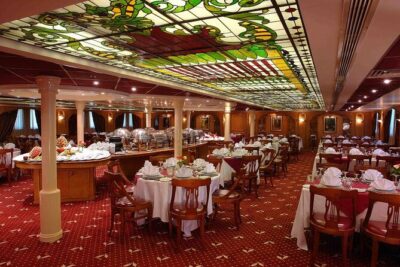
4-Days Nile Cruise From Aswan To Luxor including Abu Simbel and Hot Air Balloon
Read our review →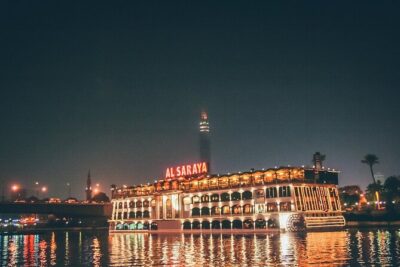
Dinner Cruise on the Nile River with Entertainment
Read our review →
4-Day 3-Night Nile Cruise from Aswan to Luxor&Abu Simbel+Balloon
Read our review →
Nile Dinner Cruise with Belly Dancer Show with Pickup
Read our review →
4-Day 3-Night Nile Cruise from Aswan to Luxor including Abu Simbel, Air Balloon
Read our review →
4-Day Nile Cruise from Aswan to Luxor with Guide
Read our review →Browse the lists this tour appears in