Review · INDIA RIVER CRUISES
Varanasi & Sarnath: Full-Day Tour with Ganges Boat Ride
Varanasi wakes before the sun. This 10-hour private excursion makes the most of that early start, combining a sunrise boat ride on the Ganges with old-city lanes, temples, Banaras Hindu University, Sarnath, and the evening Ganga Aarti. I like the way the day moves between Hindu and Buddhist traditions, and I like having air-conditioned transport in a city where traffic can turn a short drive into a slow crawl.
The main tradeoff is pace. You cover a lot in one day, so some stops receive a quick look rather than a long visit. Sarnath can feel especially rushed if the morning runs late, and the Kashi Vishwanath Temple may involve extra charges. Still, for $55 per person, the combination of transport, guide, boat ride, and a full route offers strong value.
The essential points at a glance
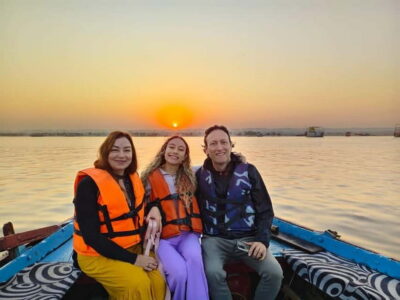
- A 5:30 am Ganges boat ride sets the tone: Sunrise light, temple facades, ghats, and morning rituals create the most memorable part of the day.
- Manikarnika and Dashashwamedh show two sides of Varanasi: One is tied to cremation rites, while the other becomes the stage for the evening Ganga Aarti.
- Sarnath adds a quieter spiritual counterpoint: This is where Buddha delivered his first sermon after enlightenment.
- The private air-conditioned vehicle matters: You have a practical break from heat, noise, and difficult city traffic between visits.
- The guide makes or breaks the experience: Guides named Rahul, Suraj, Vishal, Pablo, and others have been praised for clear explanations, patience, safety, and help with photographs.
- Plan for extra costs: Breakfast, lunch, tea, tips, drinks, and Kashi Vishwanath donations are not fully covered unless you select an option that includes meals or monument fees.
Why the 5:30 am start is worth the lost sleep
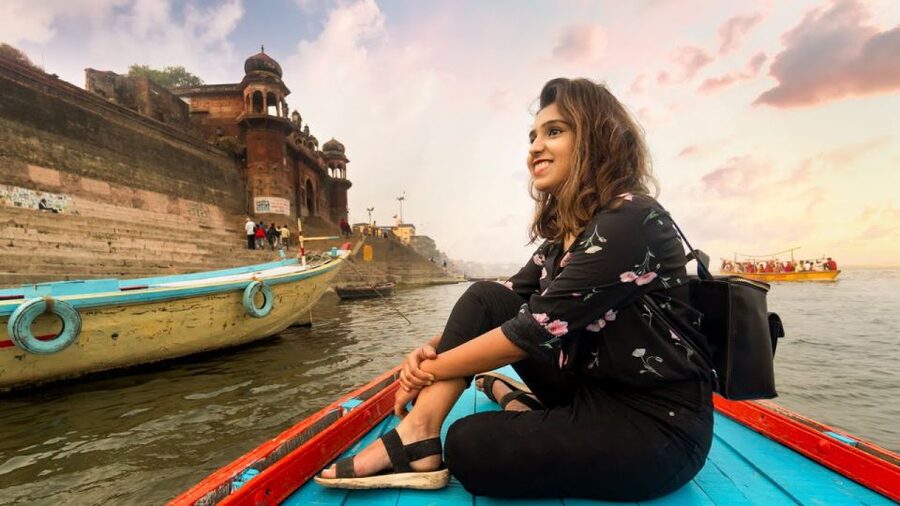
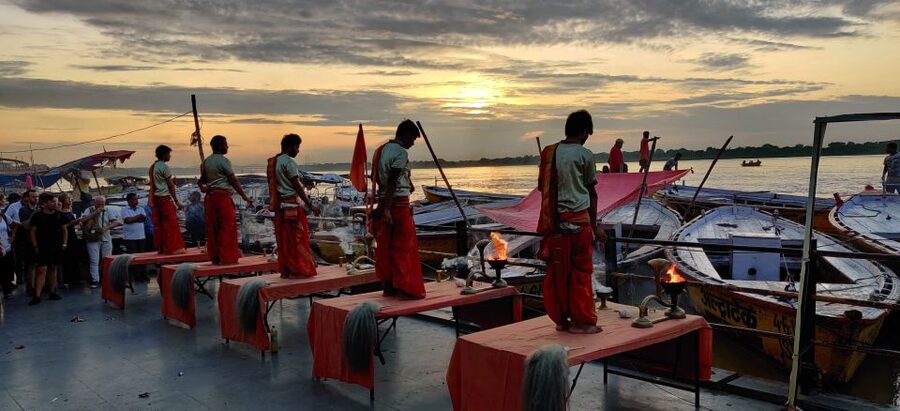
Your day begins at 5:30 am with pickup from a hotel, homestay, railway station, airport, or another agreed location in Varanasi. This early hour is not just a scheduling trick. The Ganges is at its most atmospheric at dawn, when the light is soft and the riverfront begins its daily rituals.
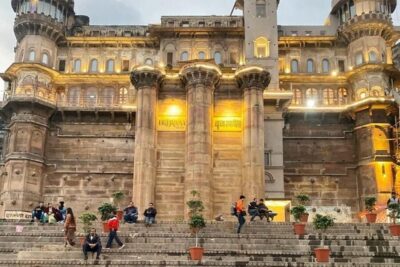
From the boat, you see the ghats from the water rather than from the crowded lanes above. That change in viewpoint matters. The steps, shrines, temples, and old buildings form a long ceremonial edge beside the river, while pilgrims bathe, pray, and offer flowers. The boat ride is subject to river conditions, and flooding or strong water flow can cancel it, so you should treat it as weather dependent.
The ride is also particularly good for photography. The low sun creates reflections on the water, and the first light reveals details that can disappear in the harsher midday glare. Bring a power bank, protect your phone from splashes, and carry a light layer if you visit during a cooler season.
After the boat, you have about an hour for breakfast at your own expense. That pause is useful. Varanasi is intense from the first moment, and a meal gives you time to warm up, refuel, and ask your guide questions before the sightseeing continues.
More Full-Day Trips in the world:
- Full-Day Prague Tour with Prague Castle, Lunch and Vltava Cruise
★ 4.0 · 921 reviews - Washington, DC: Full-Day Tour with a Scenic River Cruise
★ 4.7 · 571 reviews - Varanasi : Full Day City Highlights Day Tour & Ganges Cruise
★ 4.8 · 520 reviews
Old Varanasi, where the explanation matters
The old city is best understood on foot, through its narrow lanes and alleys. Your guide helps you connect the sights to local religious practice rather than simply pointing at buildings. This is where the quality of the guide becomes important.
The route includes Manikarnika Ghat, one of Varanasi’s most sacred cremation sites. This is not a photo-op or a place for casual conversation. Your guide should explain the religious meaning with care and make clear where respectful behavior is needed. The cremation activity can be emotionally difficult, so you should be prepared for a serious and very direct encounter with Hindu funerary tradition.
Assi Ghat offers a different mood. It is one of the key riverfront areas included in the route, and its position along the Ganges helps you see how daily life, worship, and tourism overlap in Varanasi. The contrast between Assi and Manikarnika is one reason this tour works well as an introduction.
The Shri Kashi Vishwanath Temple is another major stop. It is dedicated to Shiva and carries enormous importance for Hindu pilgrims. The listed tour information is clear on one point: entry charges are not included, and donations or related costs are your responsibility. Carry cash and ask your guide exactly what is required before entering.
You may also visit local markets and see the city’s silk-weaving tradition. Varanasi is known for Banarasi textiles, so this part can be interesting if you want context for the sarees and fabrics sold around town. Keep your buying decisions separate from the sightseeing. A guide’s recommendation can be useful, but you should never feel obliged to purchase anything.
Temples, university grounds, and a marble map
The itinerary adds several stops that broaden the picture of Varanasi beyond the ghats. At Banaras Hindu University, you pass through one of Asia’s largest university campuses, founded in 1916. The new Vishwanath Temple, often called the Birla Temple, is located here, and the spacious setting offers a break from the tight lanes of the old city.
The Durga Temple, also called the Monkey Temple, is another memorable visit. Its religious importance and distinctive setting make it a favorite stop for many people on this route. You may see monkeys around the temple, so keep food packed away and follow your guide’s advice.
Sankat Mochan Hanuman Mandir brings another important Hindu shrine into the day. Together, these temples show how varied religious life in Varanasi can be. You are not seeing one single style of worship. You are moving through different shrines, rituals, and ideas within the same city.
The Bharat Mata Temple is unusual because its main attraction is a marble relief map of the Indian subcontinent rather than a conventional deity image. It offers a change of pace and gives the guide a chance to discuss the symbolic role of the map in modern Indian identity.
These visits can feel like a lot if you expect long, quiet time at every temple. I would view them as a guided sampler. You get enough explanation to understand their place in the city, but the itinerary is designed to cover ground.
Lunch and the practical value of private transport
Lunch is scheduled for one hour and is generally at your own expense unless you select an option that includes it. The same applies to drinks and the earlier breakfast. One useful detail from the day’s feedback is that guides have recommended local food stops and tea breaks, including a breakfast stop at Sri Ram Bhandar.
Transport is provided in a private air-conditioned vehicle. That is a meaningful part of the $55 price, especially in Varanasi. The roads can be crowded, confusing, and slow, and a good driver reduces the strain of moving between the riverfront, temples, university, and Sarnath.
Several guides have also been praised for handling delays and changes. Rahul, for example, was noted for meeting a group after a late train arrival. That does not guarantee every transfer will run perfectly, but the service appears designed with flexible pickup in mind.
You should still carry extra cash. Tips for the guide and driver are not included, and one guest specifically advised keeping money available for this. Mineral water is included, but your meals, tea, and other drinks may not be.
A few more river trips around the world worth comparing
- Paris: 1-Hour Seine Cruise departing from the Eiffel Tower
★ 4.4 · 77,472 reviews - Istanbul: Bosphorus Dinner Cruise & Show with Private Table
★ 4.8 · 62,058 reviews - Amsterdam Luxury Canal Cruise + Unlimited Drinks & Bites option
★ 5.0 · 30,518 reviews - Paris: Evening River Cruise with Music
★ 4.4 · 22,721 reviews
Sarnath, a calm change after Varanasi
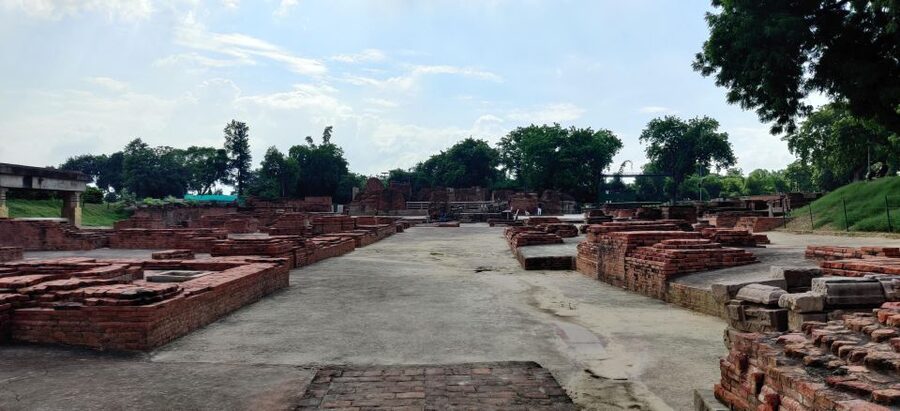
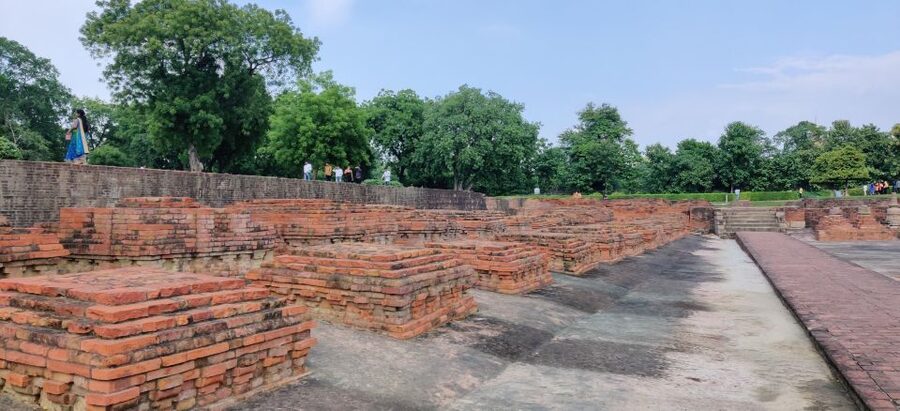
After lunch, you drive to Sarnath. The change is immediate. Varanasi presses in from every direction, while Sarnath offers gardens, ruins, Buddhist monuments, and a more spacious setting.
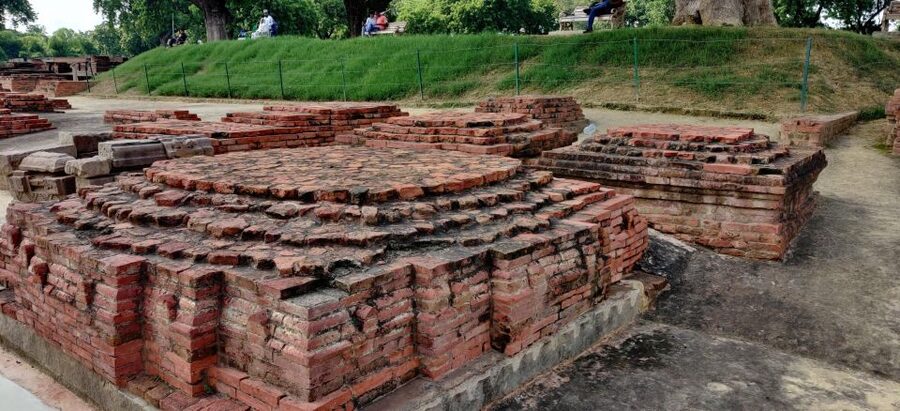
This is where Buddha delivered his first sermon after enlightenment. The site includes the remains of ancient monasteries, stupas, and the Ashoka Pillar, with inscriptions linked to Emperor Ashoka’s visit. A museum is also part of the expected experience, depending on the selected arrangement and opening conditions.
Sarnath is valuable because it prevents the day from becoming only a tour of Hindu Varanasi. You get a second religious tradition and a different visual mood. The site’s importance is historical and spiritual, but it is also simply a welcome pause after hours of traffic, temples, and crowded streets.
Time management matters here. One four-star assessment specifically noted that there was not enough time to see the stupa properly. I would tell your guide early that Sarnath matters to you, especially if you want time for the museum, ruins, and main stupa rather than a brief stop. The itinerary includes a tea break of about 40 minutes after Sarnath, but that does not automatically mean every part of the site receives equal attention.
The Ganga Aarti at Dashashwamedh Ghat
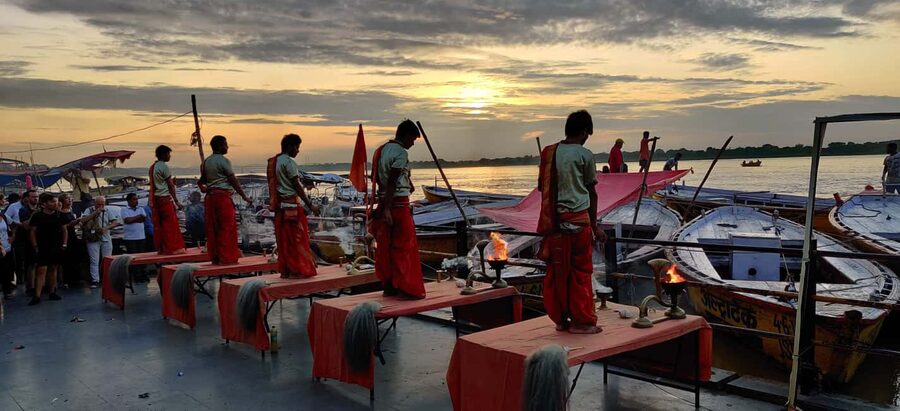
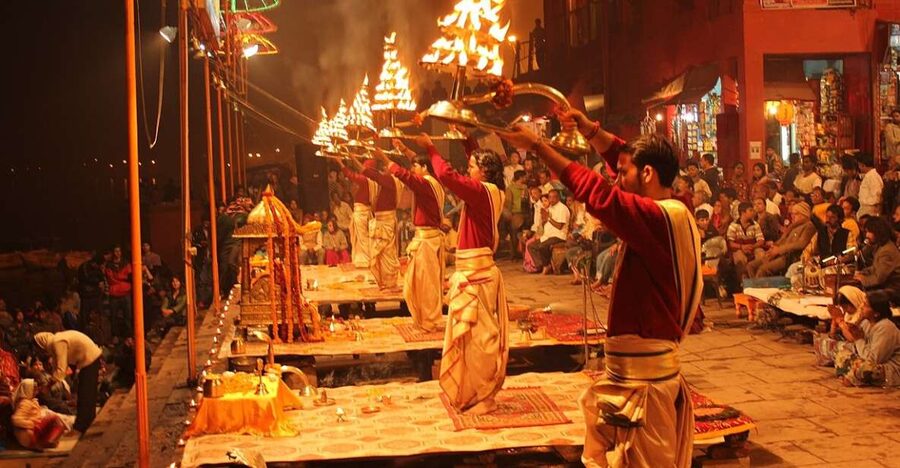
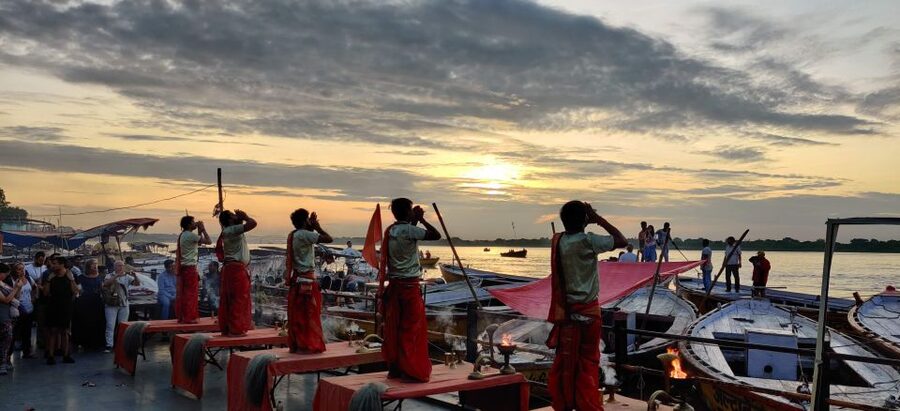
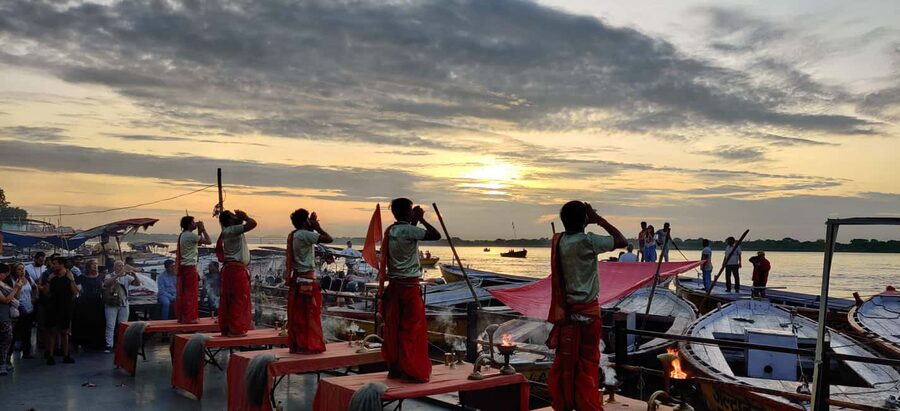
The final major event is the evening Ganga Aarti at Dashashwamedh Ghat. Priests perform a coordinated ceremony with lamps, chanting, music, and repeated gestures directed toward the river. As daylight fades, the flames and reflections become the visual focus.
This is one of the strongest reasons to book the full-day route rather than only a morning city tour. You see the Ganges twice, first in quiet morning light and later amid a large public ceremony. The contrast is striking.
Your guide may help you reach a good viewing position. Vishal, one of the guides associated with this experience, was praised for arranging front-row seats. Exact access can vary with crowd control and conditions, so do not treat a prime position as guaranteed, but a local guide can make a real difference in finding the ceremony and understanding what you are seeing.
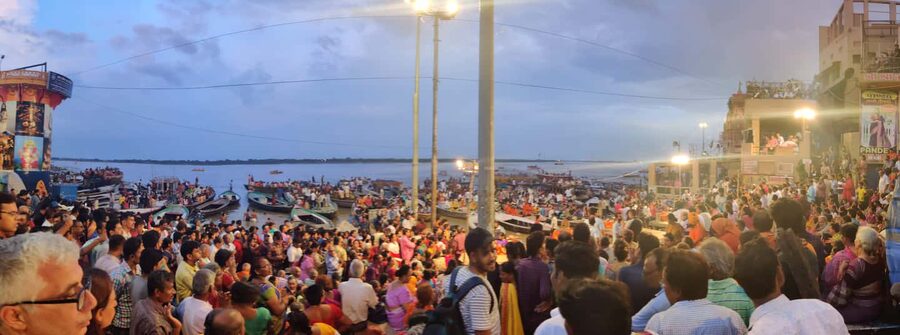
Dashashwamedh can be crowded and loud. If you prefer a quiet religious setting, this is not it. The ceremony is public, theatrical, and powerful, with many people trying to watch from the steps, boats, and surrounding lanes. Keep your belongings close and follow instructions from your guide.
Guides, languages, and the human side of the tour
The tour provides a live guide in English, Hindi, Japanese, Spanish, or French. The strongest praise centers on guides who explain religion without making the subject feel like a lecture, help with photographs, and pay attention to solo visitors.
Names associated with especially positive experiences include Rahul, Suraj, Vishal, Pablo, Shiva, Udai, Vikas, Monhan, and Vishel. Their reported strengths include clear communication, local knowledge, humor, patience, and a reassuring manner for people traveling alone. Pablo was especially praised for explaining the spiritual side of Varanasi, while Suraj was noted for being attentive and helpful with photographs.
That personal attention is important in Varanasi. The city can feel confusing on your first day, and religious customs are not always obvious from the outside. A guide who explains what you are seeing, and also tells you when not to take photographs or interrupt, adds real value.
The tour is described as personalized, but exact group size is not specified. One small group of four or five people felt nearly private. If you want a fully private experience, confirm the arrangement before booking rather than relying on the word personalized.
Is $55 good value for a 10-hour day?
At $55 per person, the tour is good value if you want to see the main sights in a single day. You receive pickup and drop-off, private air-conditioned transport, a guide, mineral water, and the morning boat ride when river conditions allow. Some booking options also include lunch and monument entry fees.
The price is less inclusive than it first appears. Breakfast, lunch, tea, food, and drinks are not included in the basic arrangement. Kashi Vishwanath charges and donations are also separate, and tips are expected but not included.
I would compare the price with the cost of arranging a car, driver, boat, and guide separately. The benefit here is not just transport. It is having one person connect the Ganges, temples, old city, and Sarnath into a single story. If you have only one full day in Varanasi, that organization is worth paying for.
Who should book this Varanasi day tour?
I would recommend it to a first-time visitor with limited time, solo visitors who want help navigating the city, and anyone who wants both Hindu and Buddhist sites in one day. The strong early start also suits photographers and people who want the best chance of seeing the river in soft morning light.
It is less suitable if you dislike early mornings, need a slow schedule, or have mobility limitations. The old city includes narrow lanes, temple visits, and time on foot, and the tour is specifically listed as unsuitable for people with mobility impairments.
Wear practical clothing, bring sunscreen, sunglasses, rain gear, cash, an ID or passport, and a power bank. Alcohol and drugs are not allowed. Most important, keep an open mind and show respect at religious sites, especially Manikarnika Ghat.
Should you book it?
Book this tour if you want a packed but carefully arranged introduction to Varanasi, with the sunrise boat ride and evening Aarti as the two main anchors. It offers a lot for the price, and the guide can make the city far easier to understand.
Skip it if you want to spend half a day at Sarnath, linger at each temple, or explore independently. If you do book, tell your guide your priorities at the start, carry extra cash, and protect the Sarnath time. The day is long, but it gives you a strong first look at Varanasi’s sacred riverfront, complicated old city, major temples, and Buddhist past.
FAQ
What time does the tour start?
The tour starts at 5:30 am for the sunrise boat ride on the Ganges.
How long does the tour last?
The full experience lasts about 10 hours.
Is hotel pickup included?
Yes. Pickup and drop-off are available from hotels, homestays, the Varanasi airport, railway stations, and other requested locations in Varanasi.
Is the Ganges boat ride guaranteed?
No. The boat ride depends on weather and river conditions. Flooding or unsuitable water flow can prevent the ride.
Are meals included?
Food and drinks are not included in the basic package. Breakfast and lunch are scheduled for about one hour each and are at your own expense unless you choose an option that includes meals.
Is lunch included in the price?
Lunch is included only if you select the option that includes it.
Is entry to Kashi Vishwanath Temple included?
No. Entry charges and donations for Kashi Vishwanath Temple are the client’s responsibility.
Which languages are available for the guide?
Guides are available in English, Hindi, Japanese, Spanish, and French.
Are monument entry fees included?
Monument entry fees are included only if you choose the option that includes them.
Is the tour suitable for people with mobility impairments?
No. The experience is listed as unsuitable for people with mobility impairments.
Just added around the world
- NYC: Hudson River Fall Foliage Sailing Trip★ 5.0 · 9 reviews
- Fast and More 60 minute Airboat Tour on the Homosassa River★ 4.8 · 26 reviews
- Florence: Authentic Barchetto River Cruise with Wine & Guide★ 4.6 · 174 reviews
- Tbilisi: River Sightseeing Boat Ride with Welcome Drink★ 4.3 · 22 reviews
- Experience Dinner On Luxury Cruise Along Saigon River★ 4.3 · 3 reviews
- Fashion Design Workshop & Brunch on a Seine River Boat Paris★ 5.0 · 2 reviews
- Fairbanks: Riverboat Cruise and Local Village Tour★ 4.9 · 309 reviews
- Miami: Everglades River of Grass Small Airboat Wildlife Tour★ 5.0 · 7 reviews
India River Cruises, compared.
Varanasi : Full Day City Highlights Day Tour & Ganges Cruise
Read our review →