
Review · NILE CRUISES
Dahabiya Nile Cruise: Aswan to Luxor – 4 Days/3 Nights
Slow boats see more. This four-day Nile journey trades the scale of a large cruise ship for a small dahabiya, quiet river views, village stops, and a carefully chosen run of temples between Aswan and Luxor. You will visit Philae, Kom Ombo, Edfu, El Kab, the Valley of the Kings, Hatshepsut’s temple, and Karnak.
I like the small-boat atmosphere and the chance to sit close to the riverbank rather than watching Egypt through a large ship’s windows. I also like the practical setup: meals, sightseeing, entrance fees, transfers, and an Egyptologist guide are included. The main caution is that boat arrangements can vary, and a dahabiya may sometimes be towed instead of moving under sail alone.
A reported rating of 4.7 from 32 ratings, with 94 percent recommending the experience, reflects its strongest qualities: kind crew members, tasty traditional food, comfortable cabins, and guides who take their work seriously. Guides named in the feedback include Ahmed, Salem, Aref, Mohammed Salem, and Iman. Still, confirm the exact boat and cabin before paying, since one unhappy booking involved a last-minute vessel change.
Key points before you book
- A quieter Nile crossing: The small dahabiya format gives you a peaceful place to watch birds, villages, sunsets, and passing boats.
- A strong Aswan to Luxor route: You see major temples and less-visited sites, including Gebel el Silsila and El Kab.
- Full board is included: Three breakfasts, three lunches, three dinners, tea, coffee, and natural water are covered.
- Private group touring: Only your own group participates, with an Egyptologist guide for the sightseeing visits.
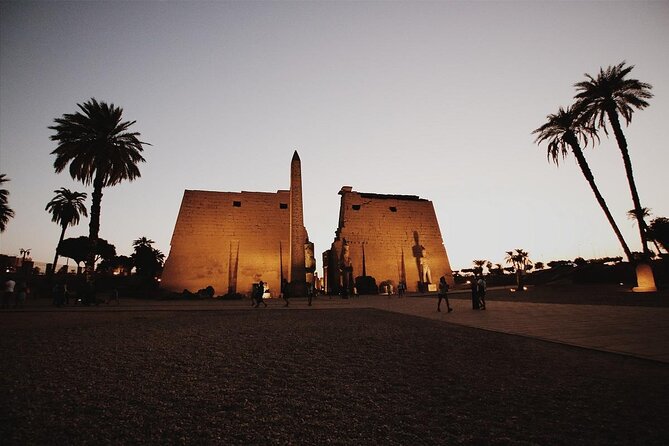
- A full final day: The Luxor program includes three Valley of the Kings tombs, Hatshepsut’s temple, the Colossi of Memnon, and Karnak.
- Worth checking in advance: Ask which dahabiya you will receive and whether it will sail or be towed when the wind is weak.
Why a dahabiya changes the Nile cruise

A dahabiya is smaller and more intimate than the large Nile ships that run between Aswan and Luxor. That affects the whole mood. You have a quieter deck, fewer people around meals, and a better chance to watch the river at eye level.
Several parts of the trip are designed around that slower pace. The boat heads toward small islands, moors near Besaw Island, and passes the sandstone quarries at Gebel el Silsila. You are not simply moving from one famous temple to another. Some of the pleasure comes from sitting outside while the river does the work.
The boat may be towed by a smaller motorboat rather than sail under its own power. That can disappoint anyone picturing a fully wind-powered voyage, but it also keeps the dahabiya moving when the wind does not cooperate. One useful benefit is quiet cabins while being towed, since the main boat itself remains calm.
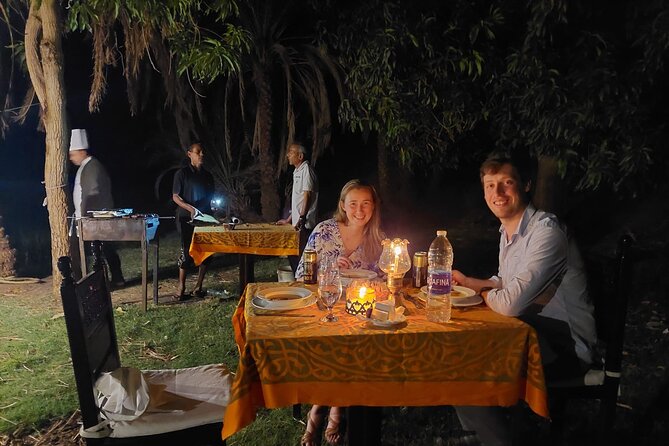
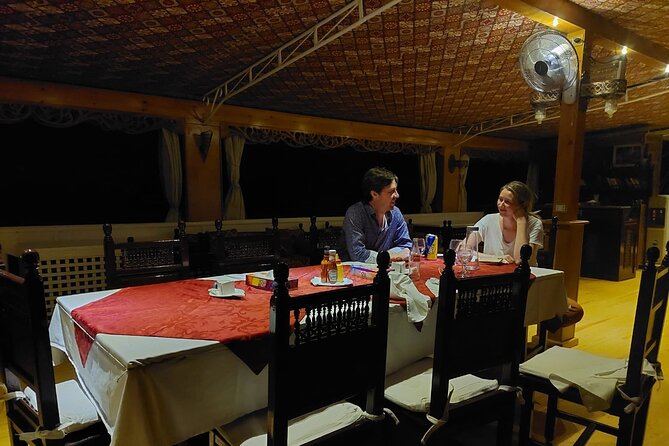
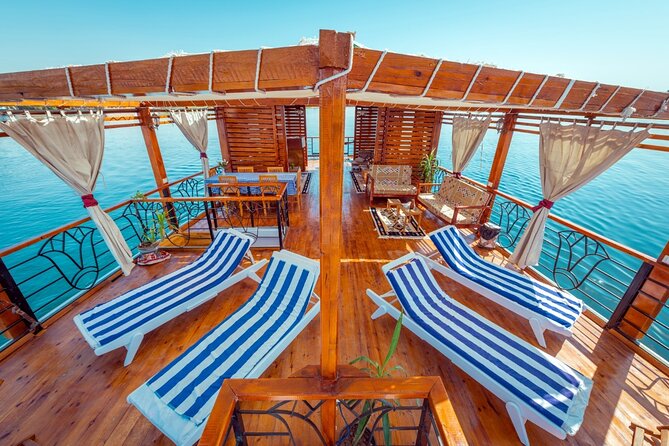
The atmosphere is one of the strongest reasons to choose this trip. The feedback describes polished wood, comfortable seating areas, tasteful interiors, and crew members who work hard to keep the boat pleasant. Some accounts also describe very small groups, including one cruise with just two passengers, a guide, and the crew. Group size can vary, but the private format gives the trip a personal feel.
More Nile Cruises in Aswan:
- 4-Days Nile Cruise From Aswan To Luxor including Abu Simbel and Hot Air Balloon
★ 5.0 · 3,142 reviews - 4-Day 3-Night Nile Cruise from Aswan to Luxor&Abu Simbel+Balloon
★ 5.0 · 2,023 reviews - 4-Day 3-Night Nile Cruise from Aswan to Luxor including Abu Simbel, Air Balloon
★ 4.5 · 612 reviews
Day 1: Philae, island life, and Kom Ombo
Your first day begins with pickup from an Aswan hotel, station, or airport. An air-conditioned vehicle takes you to Philae Temple, where an Egyptologist guide introduces the sanctuary devoted to Isis.
Philae is a fine opening stop because it combines a dramatic setting with important ancient religious stories. The temple complex sits on an island, and its connection with the Nile gives the visit a sense of place that a museum display cannot provide. Allow about four hours for the first part of the day, including the temple visit and the transfer to the boat.
After lunch on board, the dahabiya continues toward Kom Ombo. The planned stop at a small Nile island gives you a walk through the countryside. This is a useful change of pace after the formal stonework at Philae. You get a closer look at the rural side of the river, though the exact walk and length of time can depend on local conditions.
Kom Ombo is one of the most memorable temple sites on this route because of its position on a bend in the Nile. The temple is dedicated to two gods, Sobek, the crocodile god, and Horus the Elder. Its double design reflects that shared dedication.
The site is usually visited in about two hours. Your guide can explain the unusual pairing of gods, the temple’s medical reliefs, and the role of crocodiles in the local religious world. The setting is part of the attraction. You are looking at ancient stonework with the Nile close by, rather than approaching the temple from a modern city street.
After Kom Ombo, you return to the dahabiya and continue toward Gebel el Silsila. The first evening is likely to feel busy because of the early pickup, two major visits, lunch, and the island walk. If you want the deck time that makes this cruise special, protect some of the evening for simply sitting outside.
Day 2: Gebel el Silsila and the Temple of Horus at Edfu
Day two begins with sunrise views from the sundeck, followed by breakfast. This is one of the best reasons to choose a river boat over a standard road tour. You can watch the light change over the water before the sightseeing starts.
The first major feature is Gebel el Silsila. The dahabiya passes the rock-cut chapels of Horemheb, Seti I, Ramses II, and Merenptah, as well as the old sandstone quarries. The itinerary describes viewing these sites from the boat, so do not assume you will have the same shore access offered at a major temple.
Gebel el Silsila matters because it shows how the building blocks of Egypt’s great monuments were obtained. The quarry setting connects the river with the temples you see later. It also gives you a quieter morning, with fewer crowds and more time to observe the cliffs.
The boat then continues to Edfu. After arrival, you meet your guide for a visit to the Temple of Horus. The journey from the river to the temple is handled as part of the arranged sightseeing, and the entrance fee is included.
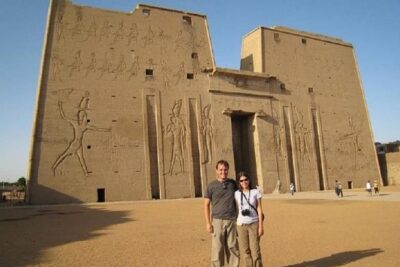
Edfu is one of the best-preserved cult temples in Egypt. Its walls, gateways, and reliefs make it easier to picture how a major temple functioned than some more damaged sites. The temple is dedicated to Horus, the falcon-headed god, and its mythology centers on Horus avenging the death of his father Osiris by defeating Seth.
Plan about two hours for the visit. This is a place where a good guide adds real value. The carvings can seem like a wall of symbols without context, but the stories, ceremonies, and layout begin to make sense when someone points out the details.
After Edfu, the dahabiya moors at Besaw Island for the night. This stop returns you to the quieter side of the trip. You are away from the main temple crowds, with the boat acting as your base for dinner and rest.
Day 3: El Kab and the slower middle of the journey
After breakfast, the boat sails toward El Kab, also known by its ancient name, Nekheb. This is one of the less familiar stops, and that is precisely why it earns its place in the route.
El Kab contains remains of temples and tombs cut into the nearby cliffs. The town was one of the oldest important settlements along the Nile. You will have about two hours with a personal guide to see the archaeological remains.
Do not expect a site on the scale of Karnak or the Valley of the Kings. El Kab is valuable for a different reason. It gives you a sense of an ancient town and religious center without the same level of crowds and ceremony. The visit also breaks up the famous-name sightseeing with something quieter.
After El Kab, you return to the dahabiya and sail toward Esna. The trip includes a transfer from Esna to Luxor, but the full sightseeing program is scheduled for the fourth day. This makes day three the most relaxed day of the itinerary.
That slower rhythm is a strength, but it may feel too quiet if you want constant activity. A dahabiya cruise is not a nonstop sequence of attractions. Bring a book, enjoy the deck, and treat the river itself as part of the program.
A few more river trips around Aswan worth comparing
- From Aswan: 4-Day Nile Cruise from Aswan to Luxor with Guide
★ 4.1 · 593 reviews - 4-Day 3-Night Nile Cruise from Aswan to Luxor – Private Tour
★ 5.0 · 369 reviews - 4 Days Nile Cruise from Aswan to Luxor including Abu Simbel and Hot Air Balloon
★ 4.5 · 356 reviews - 4-Day 3-Night Nile Cruise from Aswan to Luxor With Balloon and Abu Simbel
★ 5.0 · 327 reviews
Day 4: The west bank and Karnak in one long finish
After breakfast, you check out of the dahabiya and meet your guide for the Luxor touring day. An air-conditioned vehicle is provided for the visits, which matters because the west bank sites involve time outdoors and considerable walking.
The Valley of the Kings is the main morning stop. The package includes entry to three tombs, but not the tomb of Tutankhamun. That distinction is important. If Tutankhamun is a personal priority, you will need to ask about the separate ticket arrangements before the visit.
The valley offers a close look at the burial places of Egypt’s rulers. The tombs are underground, and the interiors can be more impressive than the plain desert approach suggests. Paintings and inscriptions survive in many chambers, but the condition and decoration vary from tomb to tomb.
Next comes the Temple of Queen Hatshepsut at Deir el Bahari. Hatshepsut ruled during the 18th Dynasty for about 20 years and was the only woman to reign as pharaoh in ancient Egypt. The temple’s terraces and cliff setting make it visually different from the enclosed temple at Edfu.
The Colossi of Memnon are a short stop of about 30 minutes. These two stone figures represent Amenhotep III and rise about 18 meters above the plain. Each was carved from a single block of stone, and the site once marked the entrance to a large funerary temple.
This is a quick photo and context stop, not a long archaeological visit. That is fine. After the Valley of the Kings and Hatshepsut, half an hour is enough to appreciate the scale before moving on.
The final major visit is Karnak Temple. The complex covers more than two square kilometers and includes pylons, obelisks, sanctuaries, and the Temple of Amun. It grew and changed over roughly 1,500 years, making it less like one building and more like an enormous religious district.
Your scheduled time is about one hour. I would pay close attention to the timing here. Karnak is vast, and an hour gives you a strong introduction but not a complete look at every court and column. The guide should help you focus on the most important sections rather than wandering without a plan.
After Karnak, you are transferred to Luxor and dropped at the airport, station, hotel, or another chosen location in the city. The final day packs in a great deal, so it is wise not to schedule a tight onward connection unless you have confirmed the exact timing.
Food, cabins, guides, and the human side
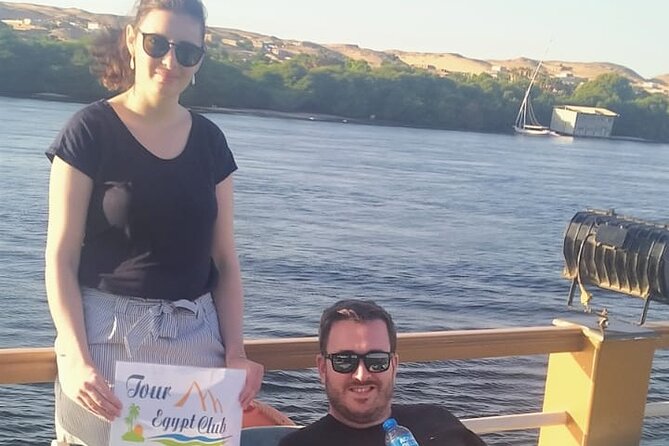
Three nights of accommodation on board are provided on a full-board basis. Breakfast, lunch, and dinner are included, along with tea, coffee, and natural water. The food is described as traditional and very good, with one chef receiving special praise for handling vegan meals carefully.
Wine and beer may be available on board, but these are personal purchases rather than listed inclusions. Tipping and personal expenses are not covered, so keep some money available for those costs.
The crew is a major part of the appeal. Accounts describe friendly staff who pay attention to small details and work hard to keep the boat comfortable. Hayam is specifically praised for taking care of passengers, while guides such as Salem, Aref, Ahmed, Iman, and Mohammed Salem are singled out for clear explanations and patient answers.
Guide quality matters greatly in Egypt. At the temples, a good Egyptologist helps you read the site instead of merely photographing it. Mohammed Salem is described as having archaeological expertise, while Iman is praised for answering questions with enthusiasm. Your assigned guide may differ, but the private format gives you a better chance to ask questions than a large group tour.
Is $1,123 a fair price?
The listed price is $1,123 per person. That is not a budget Nile crossing, but the comparison should be made against what is included.
You receive three nights on board, all meals, transfers, entrance fees, private group touring, an Egyptologist guide, vehicle transport, and the Aswan to Luxor route. You also avoid arranging separate taxis, tickets, guides, and meals at every stop. For a private small-boat trip, the price can be reasonable if the boat and cabin match your expectations.
The value is strongest for couples, families, or small groups who care about quiet river time and personal service. It is weaker for anyone focused mainly on the lowest possible price or on luxury-ship facilities.
Before booking, ask for the exact name and current photographs of the dahabiya, the cabin category, and the plan if wind conditions require towing. One poor experience involved a vessel change close to departure, so written confirmation is sensible.
Who should choose this cruise?
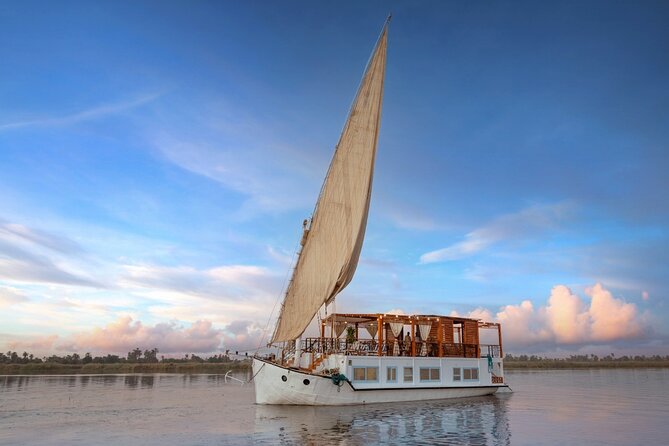
Choose this trip if you want a calm Nile journey with major temples, smaller archaeological sites, full-board meals, and a private guide. It suits people who prefer a slower pace and enjoy watching the river as much as checking off monuments.
It is also a good fit for families and private groups. Most people can participate, and the air-conditioned vehicle helps on the Luxor touring day. Still, the schedule includes walking, uneven archaeological ground, heat, and tomb visits, so anyone with mobility or health concerns should ask specific questions before booking.
Skip it if you want a large ship with extensive onboard facilities, a predictable vessel brand, or a completely sail-powered crossing. The dahabiya format is intimate and atmospheric, but it is also more dependent on the exact boat supplied.
Should you book the Aswan to Luxor dahabiya?
I would book this cruise for the combination of quiet river travel and serious sightseeing. Philae, Kom Ombo, Edfu, El Kab, the Valley of the Kings, Hatshepsut, and Karnak make this a strong four-day route, while the small boat keeps the journey from feeling like a bus tour with water in between.
Book only after confirming the vessel, cabin, group size, and sailing arrangements. If those details are clear and you value attentive crew service, good food, and time near the Nile’s smaller islands, the $1,123 price can make good sense.
FAQ
Where does the dahabiya cruise begin?
The cruise begins in Aswan, in Egypt’s Aswan Governorate. Pickup is offered from an Aswan airport, station, or hotel.
Where does the cruise end?
The cruise ends in Luxor. Drop-off can be arranged at a Luxor airport, station, hotel, or another location of your choice in the city.
How long is the cruise?
The experience lasts four days and three nights.
Is accommodation included?
Yes. Three nights of accommodation on board the dahabiya are included.
Are meals included?
Yes. The package includes three breakfasts, three lunches, and three dinners, along with tea, coffee, and natural water.
Which major temples are included?
The route includes Philae Temple, Kom Ombo Temple, the Temple of Horus at Edfu, the Temple of Queen Hatshepsut, and Karnak Temple.
Are Valley of the Kings tickets included?
Yes. Admission is included for three tombs in the Valley of the Kings. The tomb of King Tutankhamun is excluded.
Is a guide provided?
Yes. A professional Egyptologist guide accompanies the sightseeing visits.
Is this a private tour?
Yes. Only your own group participates in the tour.
What is not included in the price?
Tipping and personal expenses are not included. Wine and beer, if available, are also not listed among the included services.
Can I cancel for a full refund?
You can receive a full refund if you cancel at least six full days before the experience begins. Cancellations two to six full days ahead receive a 50 percent refund, while cancellations less than two full days before the start are not refunded. Poor weather may result in a different date or a full refund.
Just added around Aswan
- Sailing Nile Cruise from Aswan to Luxor for 2 Nights★ 4.5 · 139 reviews
- 4-Days Aswan sails Nile Cruise Luxor &Abu Simbel.Hot air Balloon★ 4.5 · 77 reviews
- 4-Days Nile Cruise From Aswan To Luxor Abu Simbel and Air Balloon★ 4.5 · 2 reviews
- 4 Days Nile Cruise &Hot Air Balloon on M/S Movenpick Royal Lilly★ 5.0 · 4 reviews
- Sailing Nile cruise from Aswan to Luxor includes tours for 3 nights★ 5.0 · 16 reviews
- 8 Nights Egypt Tour,Cairo,Luxor,Aswan&Abu Simbel,Nile Cruise,Hot Air Balloon★ 4.5 · 11 reviews
- Sailing Nile cruise from Aswan for 2 nights★ 4.0 · 11 reviews
- 4-Day Nile Cruise: Aswan to Luxor & Abu Simbel + Hot Air Balloon★ 4.5 · 35 reviews
Nile Cruises, compared.
4-Days Nile Cruise From Aswan To Luxor including Abu Simbel and Hot Air Balloon
Read our review →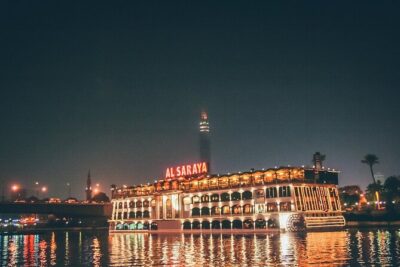
Dinner Cruise on the Nile River with Entertainment
Read our review →
4-Day 3-Night Nile Cruise from Aswan to Luxor&Abu Simbel+Balloon
Read our review →
Nile Dinner Cruise with Belly Dancer Show with Pickup
Read our review →
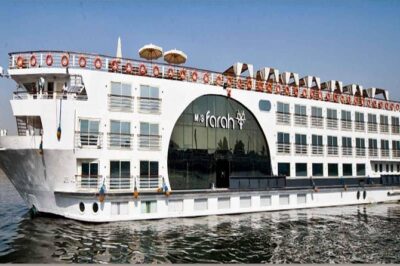
4-Day 3-Night Nile Cruise from Aswan to Luxor including Abu Simbel, Air Balloon
Read our review →
4-Day Nile Cruise from Aswan to Luxor with Guide
Read our review →Browse the lists this tour appears in