
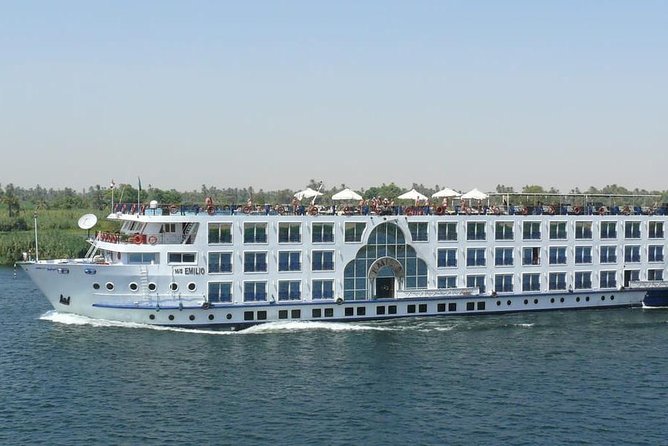
Review · NILE CRUISES
Egypt 9 Days- Cairo Pyramids and Nile Cruise from Luxor to Aswan and Abu Simbel
Egypt packs millennia into nine busy days. I like the way this trip links the Giza pyramids, Saqqara, and Memphis with the temples and tombs of Upper Egypt, so you see more than Cairo’s headline sights. I also like the dependable, organized transfers, with pickup and drop-off at hotels, ports, and the airport.
The main drawback is the pace. You cover a lot of ground, and some days combine several major sites with long drives or flights. The $2,895 price is substantial, but it includes four hotel nights, four nights on a full-board Nile cruise, guides, admissions, many meals, and domestic air arrangements. Tips for guides and drivers are extra.
Key points to know before booking
- The pyramids day goes beyond Giza: You visit the Sphinx, Saqqara’s Step Pyramid, and the old capital at Memphis.
- The Nile cruise covers Luxor to Aswan: Karnak, Luxor Temple, Edfu, Kom Ombo, and Philae are built into the route.
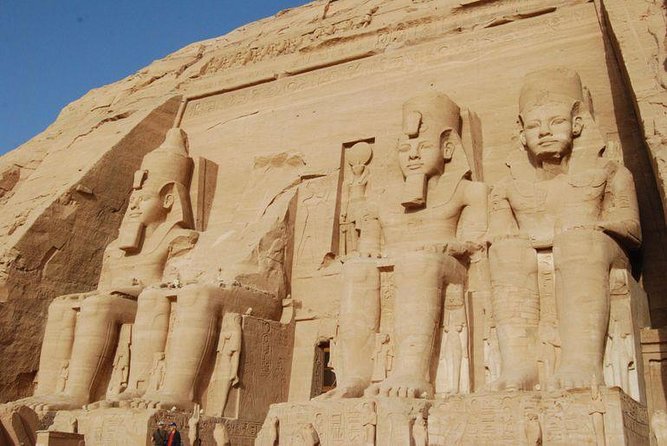
- Abu Simbel is included: The five-hour visit adds one of southern Egypt’s most memorable sights.
- You receive broad logistical support: Hotel, port, and airport transfers are included, with a maximum group size of 15.
- The package includes substantial accommodation and meals: Four nights are at five-star hotels with breakfast, followed by four nights on a luxury cruise with full board.
- Guide quality matters here: The strongest praise goes to the Egyptologists and drivers, including Mahmoud, Remon, and Mustafa.
How the nine days are arranged
This is a sightseeing-heavy tour for someone who wants the major ancient sites handled in one package. You begin in Cairo, move south to Luxor, cruise down the Nile to Aswan, visit Abu Simbel, then fly back to Cairo before departing Egypt.
The structure is efficient, but it is not slow travel. You will often have an early start, several hours at a site, and a transfer afterward. The reward is coverage. The cost is that you get only limited free time for wandering on your own.
The tour has a maximum of 15 people. That is small enough to keep instructions and transfers manageable, though it is not the same as a private trip. A qualified Egyptologist guide accompanies the sightseeing, and guide quality is one of the most important factors in Egypt. The praise for the cruise Egyptologist is especially encouraging, with the guide using temple inscriptions and artwork to make the places easier to understand.
More Nile Cruises in Cairo:
- Cairo: Dinner Cruise on the Nile River with Entertainment
★ 4.2 · 2,190 reviews - Cairo: Nile Dinner Cruise with Belly Dancer Show with Pickup
★ 4.4 · 835 reviews - Cairo: Dinner Cruise on the Nile River
★ 4.2 · 741 reviews
Day 1: A simple Cairo arrival
Your first day is mainly about landing, clearing formalities, and getting to the hotel. An arrival representative meets you, assists with the process, and arranges the transfer.
That support is useful after a long flight, particularly if this is your first visit to Egypt. Do not expect a sightseeing program on arrival day. It is a practical setup day, giving you a hotel base before the major Cairo visits begin.
You receive four nights at five-star hotels on a bed-and-breakfast basis. Since the schedule begins early and remains active, a comfortable hotel is more than decoration. It gives you a reliable place to rest between outings.
Day 2: Giza, Saqqara, and Memphis
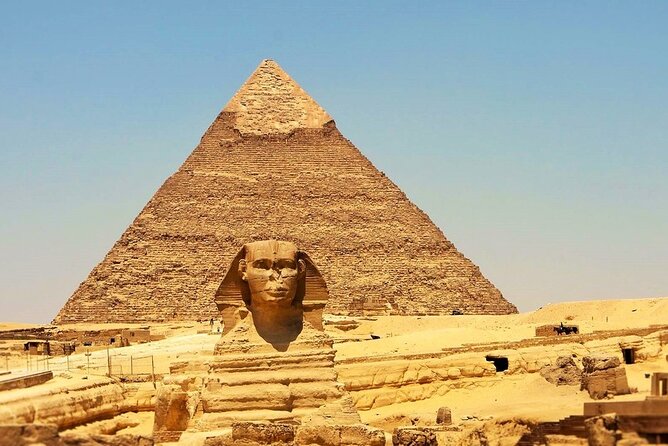
The classic Cairo day starts at the Giza Plateau. The three main pyramids were built during the Old Kingdom, beginning with the Great Pyramid around 2590 BC. Seeing them together helps you understand their scale in a way that photographs cannot.
You also visit the Sphinx, the great limestone figure traditionally linked with the Giza complex. The schedule allows time for views and photographs, and there is a chance to enter the Queen Pyramid. That is a useful detail to check at the start of the day, since interior access can be physically tight and may not suit everyone.
Giza can feel crowded and exposed, so good footwear, water, and sun protection will matter. The tour gives you a guide and transport, which helps you focus on the monuments rather than sorting out every transfer yourself. Still, three hours at the plateau is not an eternity. If you want a very slow look at each pyramid, this schedule may feel brisk.
The day continues at Saqqara, home of the Step Pyramid of Djoser. This monument is important because it marks an early major use of stone construction and shows how pyramid design developed from earlier mastaba tombs. Its six rising levels give it a different shape from the smooth-sided pyramids at Giza.
A three-hour visit allows you to see more than just the famous outline. The site includes tombs and remains across a broad area, though the schedule does not specify every interior that will be open. I would ask your guide what is available that day if entering additional tombs is a priority.
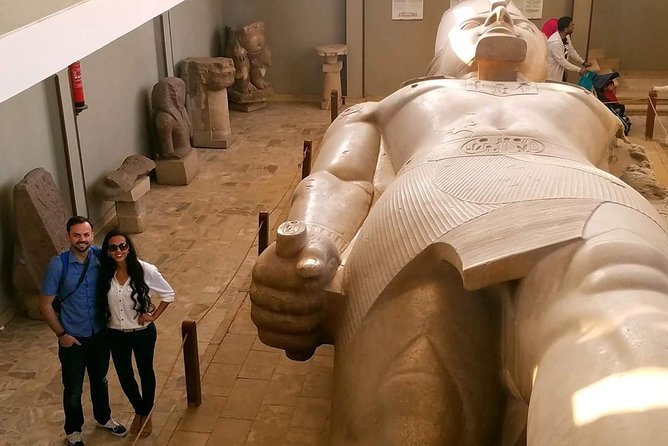
The final stop is Mit Rahina Museum, located near the ruins of Memphis. Memphis served as the first capital of ancient Egypt, and the museum gives the old city a physical sense of place through its surviving statues and fragments. One hour is enough for a focused visit, though anyone fascinated by ancient administration and city life may wish for more time.
This is one of the strongest days in the program because it connects three stages of early Egyptian history: the royal tombs at Giza, the experimental form at Saqqara, and the capital at Memphis.
Day 3: Egyptian antiquities, Cairo’s bazaar, and Coptic Cairo
The Egyptian Museum receives three hours, giving you time to see a large sample of its collection. The museum holds about 120,000 ancient Egyptian objects, with only part of the total collection displayed. That scale can be overwhelming, so a guide is valuable for choosing the pieces that best explain royal life, burial customs, and daily culture.
Three hours is a good middle ground. You will not see every room in detail, but you should have enough time for the main displays without turning the morning into a museum endurance test. Ask your Egyptologist to explain the objects that interest you rather than trying to read every label.
Next comes Khan Al-Khalili, Cairo’s historic bazaar district. The scheduled hour is short, but it gives you a chance to walk through the market streets and browse. This is the place to slow down for a little people-watching and bargaining, although the tour does not provide a long block of independent shopping time.
Coptic Cairo follows, with a one-hour visit. The area includes the Babylon Fortress, the Hanging Church, the Greek Church of St. George, and other Christian sites. The Abu Serga Church is associated with the Holy Family tradition, and the district also shows how Christian communities continued in Egypt after the Muslim conquest.
The contrast among the three stops is the real strength of the day. You move from pharaonic collections to Islamic Cairo and then to Egypt’s Coptic Christian heritage. The drawback is limited time at both the bazaar and Coptic Cairo. If you prefer lingering in markets or studying religious architecture closely, you may want to return on your own if your hotel location and free time allow it.
More Abu Simbel and Nile Cruise Tours in Cairo:
- 3 Night Luxor and Aswan Nile Cruise with Hot Air Balloon, Abu Simbel from Luxor
★ 5.0 · 76 reviews - Egypt 8 Day :Cairo, Aswan , Nile Cruise , Luxor, Abu Simbel,Hotel
★ 5.0 · 42 reviews - 10 Day Ultimate Egypt Tour & Nile Cruise From Luxor to Aswan & Abu Simbel Inc
★ 5.0 · 39 reviews - 4 Day Luxor&Aswan Nile cruise&Abu Simbel by plane from Cairo.Hot deal
★ 5.0 · 31 reviews
Day 4: Karnak and Luxor Temple
By day four, the focus shifts to Luxor, once the center of ancient Thebes. Karnak Temple receives three hours, which is appropriate for a complex of this size. It was dedicated mainly to Amun and developed over many centuries, so it is not one single building with one simple story.
The huge columns, courtyards, gateways, and carved surfaces make Karnak one of the places where a guide can change your experience. Without context, it can be a maze of stone. With explanations, you can follow how different rulers added to the religious center and how the temple functioned as more than a monument.
Luxor Temple receives two hours. It sits on the east bank of the Nile and was built around 1400 BCE. Its setting within the modern city gives it a different feel from the more expansive Karnak complex. I like this pairing because Karnak shows the grand religious center, while Luxor Temple feels more concentrated and easier to read in one visit.
The schedule gives you substantial time at both sites, but the day may feel full after travel from Cairo. Comfortable shoes are useful, and you should expect heat and hard surfaces.
Day 5: Tombs and royal monuments on Luxor’s west bank
The Valley of the Kings is the main event on day five. This valley served as a royal burial ground on the west bank of the Nile, and its tombs are famous for painted passages and burial chambers cut into the rock.
The program allows three hours. That does not mean every tomb is included. Site access can vary, and some tombs require separate tickets, so ask your guide which entries are part of your admission and which may cost more. The practical advantage of joining a guided visit is that you can spend your limited time on tombs with the most useful visual detail.
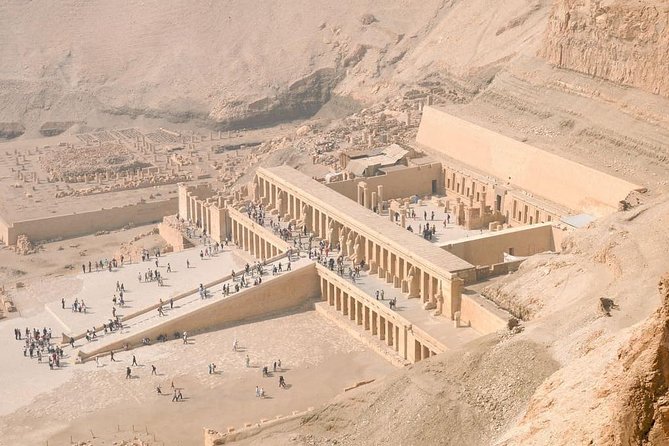
The Mortuary Temple of Hatshepsut at Deir el-Bahari comes next. Built for Egypt’s Eighteenth Dynasty ruler Hatshepsut, it rises in terraces beneath the cliffs. The one-hour visit is enough to see the structure and hear the story of one of Egypt’s most notable female pharaohs.
You then stop at the Colossi of Memnon for about 40 minutes. These two massive statues represent Amenhotep III and have watched over the Theban Necropolis for roughly 3,400 years. This is a shorter photo stop, but it breaks up the day and gives you a clear sense of the scale of royal monuments.
Day 6: Edfu and Kom Ombo by Nile cruise
The cruise portion gives you four nights on a luxury Nile vessel with full board. Breakfast, lunch, and dinner are included on the cruise, which makes the travel days easier because meals do not require separate planning.
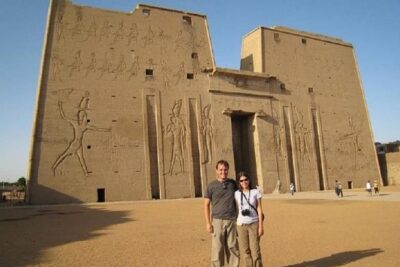
At Edfu, you visit the Temple of Horus for three hours. Built during the Ptolemaic period, it is among Egypt’s best-preserved temples. Its condition helps you see architectural details and carved scenes that are harder to picture at more damaged sites.
Kom Ombo follows for two hours. This is an unusual double temple, with one side dedicated to Sobek, the crocodile god, and the other linked to another group of deities. The split design gives your guide a clear way to explain how different religious traditions could share one complex.
Cruising between these places is the most restful part of the trip. You still have scheduled sightseeing, but the ship provides a change from road transfers and city traffic. The tradeoff is that a cruise follows a fixed timetable. You have less freedom to decide how long to remain at each temple.
Day 7: Abu Simbel and Philae
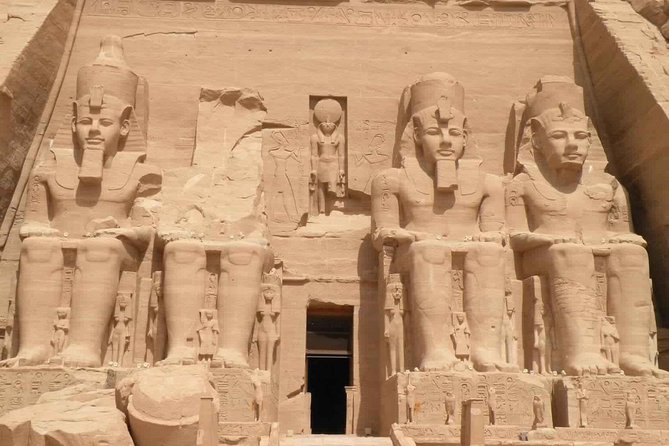
Abu Simbel is one of the most valuable inclusions in the program. The two rock temples sit near the border with Sudan, about 230 kilometers southwest of Aswan. A five-hour visit is listed, making this a major day rather than a quick add-on.
The temples were built for Ramses II and are known for their enormous façades and interior carvings. The setting beside Lake Nasser adds to the sense of distance from the main Nile valley. Since Abu Simbel is far from Aswan, including it in an organized program saves you from arranging this complicated part of the journey yourself.
The day also includes Philae Temple for two hours. Philae originally stood near the First Cataract of the Nile and was later relocated to an island in the reservoir created by the Aswan Low Dam. That relocation is an important part of the site’s modern story, as well as a reminder that Egypt’s ancient monuments have often required major preservation work.
Abu Simbel and Philae make a strong final sightseeing day. It is also one of the longest and most demanding, so you should be ready for an early start and a full schedule. The tour description mentions desert camel rides, but the detailed daily schedule does not identify when that activity takes place. If it matters to you, confirm the timing and whether it is included before booking.
Day 8 and Day 9: Returning to Cairo and heading home
After breakfast on the cruise, you check out and fly back to Cairo. A transfer takes you from Cairo International Airport to your hotel, where you have time to relax.
This extra Cairo night is useful. It gives you a buffer before the international departure and avoids forcing the final flight home immediately after the cruise. It is not another major sightseeing day, so think of it as a rest and transfer day.
On day nine, you are transferred to Cairo International Airport for departure. The airport transfer is available around the clock, according to the tour details. That is helpful if your flight leaves outside normal daytime hours.
What the $2,895 price really covers
At $2,895 per person, this is not a budget Egypt trip. Its value comes from how much is bundled into the price:
- Four nights at five-star hotels with breakfast
- Four nights on a luxury Nile cruise with full board
- Eight breakfasts, six lunches, and four dinners
- Entry fees for the listed sites
- A qualified Egyptologist guide
- Hotel, port, and airport pickup and drop-off
- The Cairo to southern Egypt travel arrangements, including the return flight to Cairo
You still pay tips for guides and drivers. That is an important extra cost to plan for. The tour also does not promise that every possible tomb, pyramid interior, or optional activity is included, so ask about additional entrance fees before the trip.
For someone who would otherwise book hotels, a cruise, domestic transport, airport transfers, site admissions, and guides separately, the price can make sense. You are paying for coordination as much as for rooms and meals. The value is strongest if you want a structured first visit and do not want to manage Egypt’s many moving parts yourself.
The strongest part: reliable people and transfers
The most reassuring feature is the human support. Airport and port pickups are included, and one particularly positive account praised the service for being on time at each stage, including airport transfers and optional outings.
The guides and drivers also receive strong praise. Mahmoud, Remon, and Mustafa are specifically noted for going beyond basic transport and explanations. Another guide on the cruise is praised for using inscriptions and artwork to bring the temples to life.
That matters because Egypt’s monuments are visually impressive but not always self-explanatory. A good Egyptologist can explain why a temple was built, how its symbols fit together, and what changed under later rulers. A dependable driver matters just as much when the program includes airports, ports, Luxor, Aswan, and Abu Simbel.
The rating is 4.8 from 36 reviews, with 97 percent recommending the experience. Those figures suggest a strong record, but your best choice still depends on your preferred pace. The program is organized and broad, not relaxed and independent.
Who should book this Egypt tour?
I would choose this trip if you want the major sights in one visit, prefer having a guide with you, and value included transfers over independent planning. It suits first-time Egypt visitors who want Cairo, Luxor, the Nile, Aswan, and Abu Simbel without arranging each part separately.
It is also a good fit if you like ancient history but want some cultural variety. Khan Al-Khalili and Coptic Cairo keep the trip from becoming nine straight days of temples and tombs.
I would hesitate if you want long mornings, unplanned afternoons, or extensive time in one place. The schedule is active, and the five-hour Abu Simbel visit, full Luxor days, and multiple transfers demand stamina. Also remember that tips are extra and clarify the details of any camel ride or additional interior entrance before paying.
Should you book it?
Book this tour if your priority is coverage, organization, and a strong first look at Egypt. The combination of Giza, Saqqara, the Egyptian Museum, Luxor, the Valley of the Kings, a Nile cruise, Philae, and Abu Simbel is hard to match in nine days without considerable planning.
Skip it if you want a slow, self-directed holiday. For everyone else, the included hotels, cruise, admissions, meals, Egyptologist, and dependable transfers make the high price easier to justify. The best reason to choose it is simple: you can spend your energy looking at Egypt instead of constantly figuring out how to reach the next place.
FAQ
How long is the Egypt tour?
The tour lasts approximately nine days, from arrival in Cairo through departure from Cairo International Airport.
What destinations are included?
The program includes Cairo, Giza, Saqqara, Memphis, Luxor, Edfu, Kom Ombo, Aswan, Abu Simbel, and Philae.
Is a Nile cruise included?
Yes. The tour includes four nights on a luxury Nile cruise from Luxor toward Aswan, with full board.
Are hotels included?
Yes. Four nights at five-star hotels are included on a bed-and-breakfast basis.
Are entrance fees included?
Entry fees for all listed sites are included. The information does not confirm that additional optional entrances are covered.
Are meals included?
The package includes eight breakfasts, six lunches, and four dinners. The four cruise nights are based on full board.
Is airport pickup provided?
Yes. Hotel, port, and airport pickup and drop-off are included. On arrival, an assistance representative meets you and helps with the airport formalities.
How large is the group?
The group can have a maximum of 15 people. A qualified Egyptologist guide accompanies the sightseeing.
Are tips included in the price?
No. Tips for guides and drivers are not included.
What is the cancellation policy?
You can receive a full refund if you cancel at least six full days before the experience starts. A 50 percent refund applies when cancelling two to six full days in advance. Cancellations less than two full days before the start time are not refunded.
Just added around Cairo
- night-tour Nile dinner cruise with open buffet and belly dancer★ 5.0 · 9 reviews
- Dinner Nile Cruise belly dancer open buffer tanora show sailing on Nile★ 5.0 · 9 reviews
- 8 Day Stunning Cairo Pyramids and Nile cruise and Hurghada All inclusive★ 5.0 · 43 reviews
- Private Full Day Tour Giza Pyramids ,Museum & Nile Felucca Boat★ 4.0 · 3 reviews
- Cairo dinner Nile cruise with belly dancer show on Nile river★ 5.0 · 2 reviews
- Cairo Private layover tour Giza pyramids,sphinx&Nile Felucca Boat★ 4.5 · 13 reviews
- Private Tour Giza Pyramids , Sphinx & Dinner Nile cruise Show★ 4.5 · 3 reviews
- VIP Private Tour Giza Pyramids ,Nile Dinner Cruise&Pyramid Inside★ 5.0 · 3 reviews
Nile Cruises, compared.
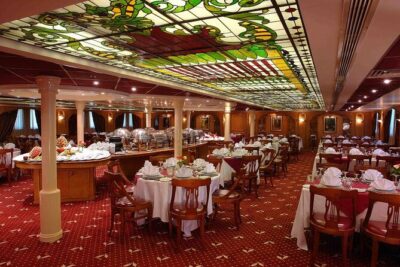
4-Days Nile Cruise From Aswan To Luxor including Abu Simbel and Hot Air Balloon
Read our review →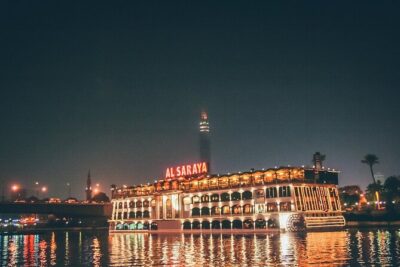
Dinner Cruise on the Nile River with Entertainment
Read our review →
4-Day 3-Night Nile Cruise from Aswan to Luxor&Abu Simbel+Balloon
Read our review →
Nile Dinner Cruise with Belly Dancer Show with Pickup
Read our review →
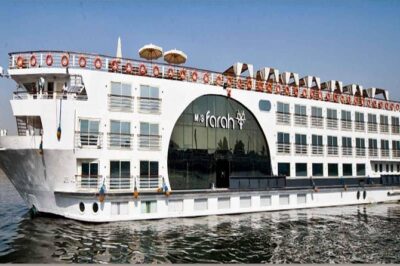
4-Day 3-Night Nile Cruise from Aswan to Luxor including Abu Simbel, Air Balloon
Read our review →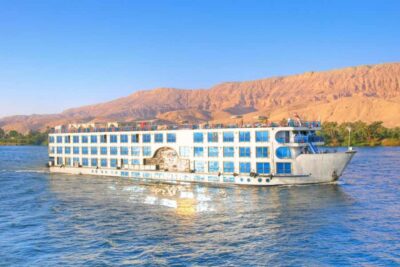
4-Day Nile Cruise from Aswan to Luxor with Guide
Read our review →Browse the lists this tour appears in