
Review · NILE CRUISES
9 Days Private Guided Tour Treasures of Egypt Cairo & Nile Cruise & Abu Simbel
Ancient wonders fill every day. This nine-day private tour brings together Egypt’s biggest sights, from the Pyramids of Giza and the Egyptian Museum to Luxor’s temples, a Nile cruise, Aswan, and Abu Simbel. I like the way it combines Cairo with the major Upper Egypt sites instead of asking you to choose between them. I also like that a private vehicle and Egyptologist guide are included, so you are not tied to a large group’s pace.
The main drawback is the schedule. You cover a lot of ground in nine days, with early starts, long sightseeing blocks, a flight back to Cairo, and several changes of setting. At $2,795 per person, the price can offer good value if you want transport, six lunches, four dinners, eight breakfasts, admission fees, and private touring handled together. It is less appealing if you prefer slow mornings or independent wandering.
Key points to know before booking
- Giza, Saqqara, and Memphis arrive together: Day two gives you three major archaeological areas in one outing, including the Great Pyramid, Sphinx, Step Pyramid, and Mit Rahina Museum.
- The private format matters: Only your own group takes part, with private vehicle transport and a qualified Egyptologist guide.
- The Nile section covers the essential temples: Karnak, Luxor, Edfu, Kom Ombo, Philae, and Abu Simbel are all included.
- Abu Simbel requires a serious outing: The temple complex receives five hours on day seven, making it one of the tour’s major highlights rather than a quick photo stop.
- Meals and admissions reduce extra planning: Eight breakfasts, six lunches, four dinners, and entry fees for the listed sites are included.
- Expect more than one guide: The nine-day program may use three guides, which can bring strong local coverage but less continuity from one day to the next.
What the $2,795 price really covers
The cost is easiest to judge by looking at what you would otherwise need to arrange separately. This package includes a qualified Egyptologist guide, private vehicle transport, and admission fees for all the named sites. It also includes eight breakfasts, six lunches, and four dinners.
That is a substantial amount of the practical work. You are not simply paying for a guide at the Pyramids. You are paying for a connected trip through Cairo, Luxor, the Nile Valley, Aswan, Abu Simbel, and a return to Cairo. The private format is especially useful in Egypt, where the timing of transfers and visits can shape the whole day.
Still, check the details of your booking carefully. The provided information does not spell out the hotel names, cruise ship name, cabin category, or whether the Cairo to Luxor and Aswan to Cairo flights are included in the quoted price. Day eight clearly includes a flight back to Cairo, but the listed inclusions do not separately identify airfare. Ask before paying if you want a precise picture of what remains to budget.
Tips for guides and drivers are not included. You should also plan for personal spending, drinks, and any optional activities not listed in the program.
More Nile Cruises in Cairo:
- Cairo: Dinner Cruise on the Nile River with Entertainment
★ 4.2 · 2,190 reviews - Cairo: Nile Dinner Cruise with Belly Dancer Show with Pickup
★ 4.4 · 835 reviews - Cairo: Dinner Cruise on the Nile River
★ 4.2 · 741 reviews
Cairo arrival: an easy first evening
Day one is deliberately light. After arrival, an assistant meets you, helps with formalities, and transfers you to your Cairo hotel. There is no sightseeing scheduled, which is sensible after an international flight.
Use this evening to rest and organize the next morning. The tour’s stated start time is 8:00 a.m., so you will want breakfast arrangements and your day bag ready. Since this is a private tour, you may have more flexibility than with a fixed group, but do not assume every start can be moved. Confirm timing with your local coordinator.
Giza, Saqqara, and Memphis in one long day
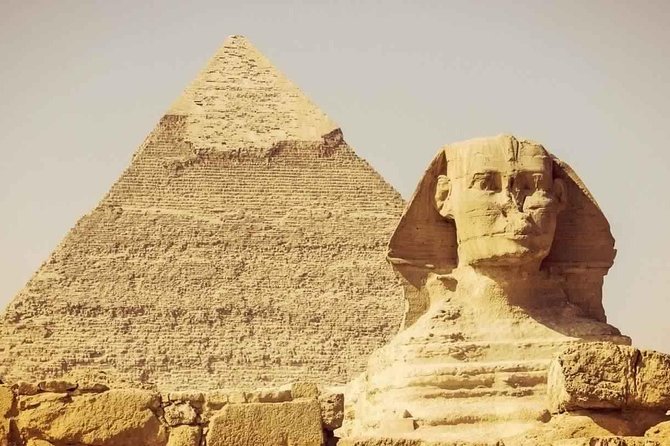
Day two begins with the Giza Plateau, where the Great Pyramid, the other pyramids, and the Sphinx provide the familiar images of Egypt. The experience is far more powerful in person than in a photograph because the monuments occupy such a broad, open area.
The program allows time to explore the Great Pyramid and enter the Queen Pyramid. Entry inside a pyramid is a distinct experience from viewing one outside, but it can be physically demanding. You should be comfortable with confined spaces and uneven passageways before choosing to go inside.
The Sphinx follows, with time for photographs and for looking closely at the carved body and face. Your Egyptologist guide is important here. Without context, Giza can become a series of famous shapes. With explanation, you can better understand how the pyramids functioned as royal burial monuments and how the Sphinx fits into the wider site.
The day continues to Saqqara, home of Djoser’s Step Pyramid. This is one of the most important stops for understanding how pyramid design developed. The six-level structure grew from earlier mastaba forms and is associated with the architect Imhotep. It is also described as the earliest major stone structure in Egypt.
Saqqara gives you a different feel from Giza. The Step Pyramid is less visually familiar, but its importance is enormous. You are looking at an early stage in the development of monumental stone building, not simply another pyramid for your checklist.
The final stop is Mit Rahina Museum, located near the remains of ancient Memphis. Memphis served as an early capital of Egypt, and the museum helps connect the scattered ruins with the city that once occupied this area. With three hours listed for Giza and three for Saqqara, this is a full day. Comfortable shoes, water, and patience will help.
Egyptian Museum, Khan Al-Khalili, and Coptic Cairo
Day three shifts from ancient royal monuments to Cairo’s museums, markets, and religious sites.
The Museum of Egyptian Antiquities contains about 120,000 objects, with only a portion on display at any one time. Three hours gives you enough time for a substantial visit, but not enough to see everything carefully. Ask your guide to focus your attention on the objects most relevant to the places you have already seen, especially the Old Kingdom material connected with Giza and Saqqara.
The museum can feel crowded and visually dense. That is part of its character, but it also means you may need to accept a selective visit. You will get more from choosing several rooms or themes than from trying to inspect every case.
Khan Al-Khalili provides a change of pace. This historic souk is one of Cairo’s main shopping and meeting areas, with one hour scheduled. Treat it as a short look at the market district rather than a relaxed afternoon of browsing. If you want souvenirs, keep purchases simple and agree on prices before committing.
Coptic Cairo follows, with the Babylon Fortress, the Hanging Church, the Greek Church of St. George, and other historic Christian sites in the area. The site is also connected with the tradition that the Holy Family stayed near the Church of Saints Sergius and Bacchus. The visit adds religious and architectural layers that are easy to miss if your Egypt trip focuses only on pharaohs.
More Abu Simbel and Nile Cruise Tours in Cairo:
- 3 Night Luxor and Aswan Nile Cruise with Hot Air Balloon, Abu Simbel from Luxor
★ 5.0 · 76 reviews - Egypt 8 Day :Cairo, Aswan , Nile Cruise , Luxor, Abu Simbel,Hotel
★ 5.0 · 42 reviews - 10 Day Ultimate Egypt Tour & Nile Cruise From Luxor to Aswan & Abu Simbel Inc
★ 5.0 · 39 reviews - Egypt 9 Days- Cairo Pyramids and Nile Cruise from Luxor to Aswan and Abu Simbel
★ 5.0 · 36 reviews
Karnak and Luxor: Egypt’s monumental east bank
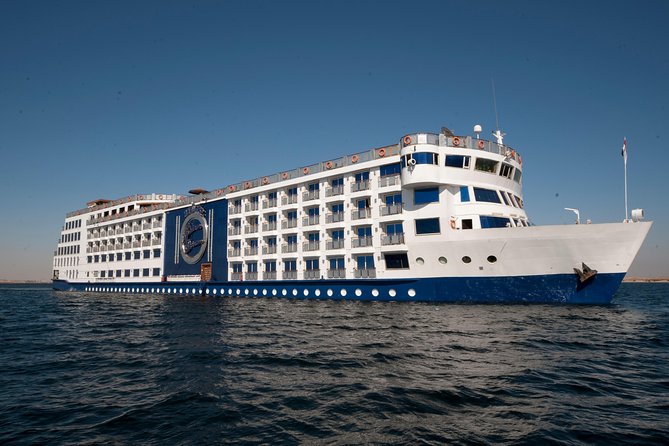
Day four brings you to Luxor and two of its great east bank sites.
Karnak is a vast temple complex dedicated mainly to Amun, with building work beginning as early as 2000 BC. Three hours is appropriate for the scale of the place. You can expect massive courts, columns, gateways, and carved surfaces that show how successive rulers added to the complex over time.
This is a place where a guide earns the fee. The site is too large to read as one simple building. Your guide can help you understand the relationship between the different areas and explain why Karnak mattered as a religious center.
Luxor Temple receives two hours. Built around 1400 BCE, it was known in ancient Egyptian as Ipet Resyt, the southern sanctuary. Compared with Karnak, it feels more contained, making it easier to grasp as a single ceremonial space.
The program does not provide full details about the transfer from Cairo to Luxor or the exact point at which you board the cruise. Confirm this before departure. The change from Cairo touring to a Nile cruise is one of the trip’s key transitions, and knowing the transport plan will make the day less stressful.
Valley of the Kings and Hatshepsut’s temple
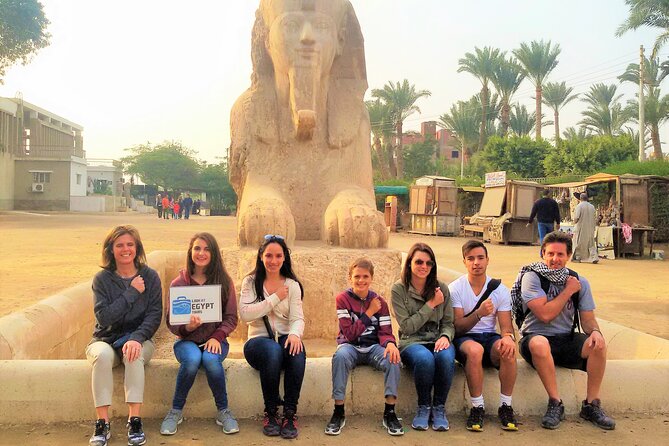
Day five explores Luxor’s west bank, beginning with the Valley of the Kings. The valley contains two main areas, the East Valley and West Valley, and served as a royal burial ground across ancient Egypt’s New Kingdom period.
Three hours gives you useful time here, though the number of tombs open to the public can change. Entry to specific tombs may have separate rules or fees, so ask your guide what is included on your visit. The painted interiors are the point, and a few carefully chosen tombs are usually more rewarding than rushing through many.
The Temple of Hatshepsut at Deir el-Bahari sits beneath the cliffs and is one of Luxor’s most recognizable monuments. Its terraces create a sharp contrast with the enclosed tombs of the valley. Hatshepsut’s position as an Eighteenth Dynasty pharaoh makes the site especially valuable for anyone interested in royal power and how rulers presented themselves.
The day ends at the Colossi of Memnon, two huge statues of Amenhotep III. Only 40 minutes are scheduled, which is enough for photographs and a short explanation. Do not expect a long visit. This is a brief stop that works well between the larger sites.
Edfu and Kom Ombo on the Nile
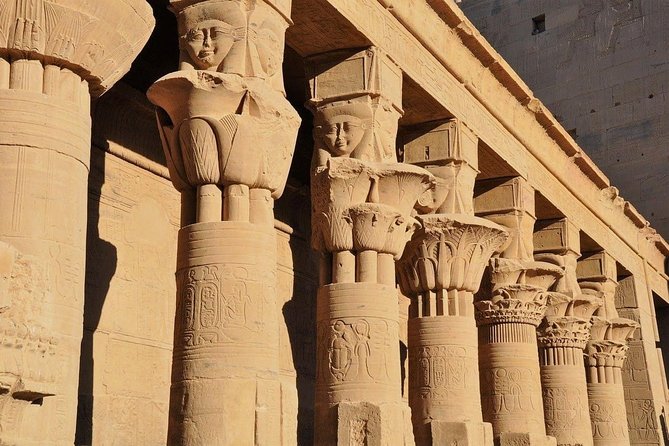
Day six centers on two temples reached during the Nile cruise.
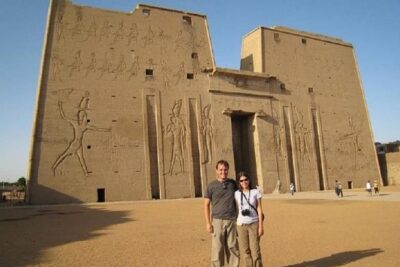
The Temple of Horus at Edfu is one of Egypt’s best-preserved temples. It dates from the Ptolemaic period, much later than the pyramids, and its preserved walls and reliefs help you see how Egyptian religious imagery continued over many centuries.
Three hours allows a proper visit rather than a hurried walk through. Listen closely to the guide’s explanation of the temple’s religious purpose and the scenes carved into its walls. The preservation is the main appeal here, especially after seeing more weathered sites in Cairo and Luxor.
Kom Ombo is unusual because it is a double temple. One half was dedicated to Sobek, the crocodile god associated with fertility and creation, while the other honored Haroeris, a form of Horus. The two-part design gives the site a clear organizing idea, even for first-time visitors.
Two hours is enough to see the principal remains. The site’s position in the Nile Valley also gives the day a strong sense of travel, not just monument hopping. You are moving between major centers along the river that made Egyptian civilization possible.
Abu Simbel and Philae in Aswan
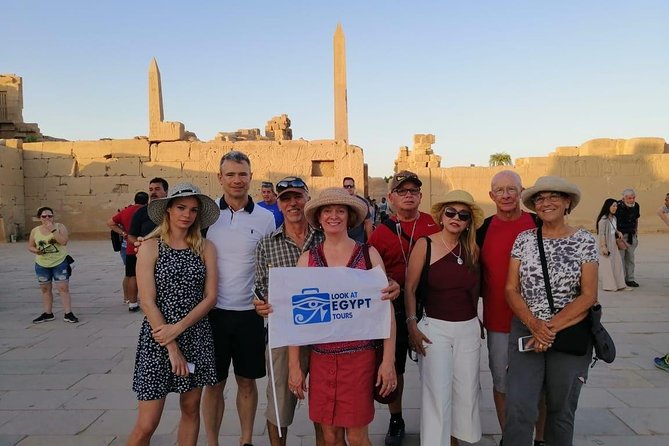
Day seven is the trip’s longest and perhaps most memorable sightseeing day.
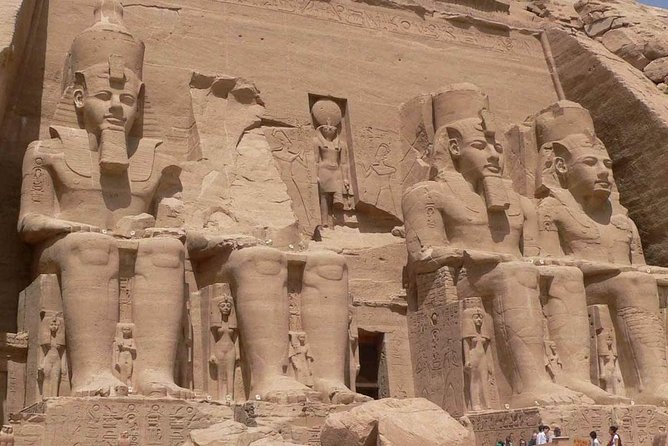
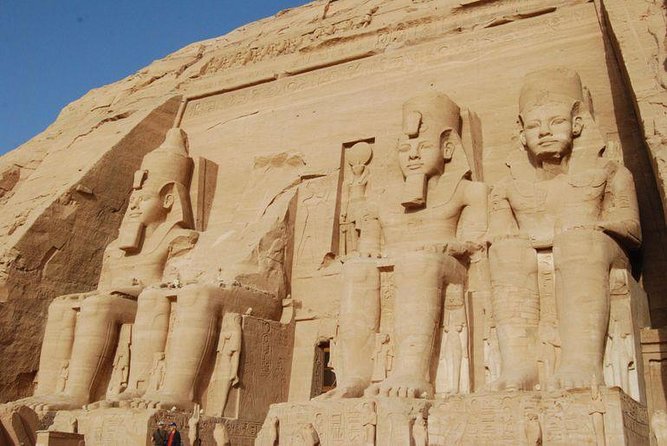
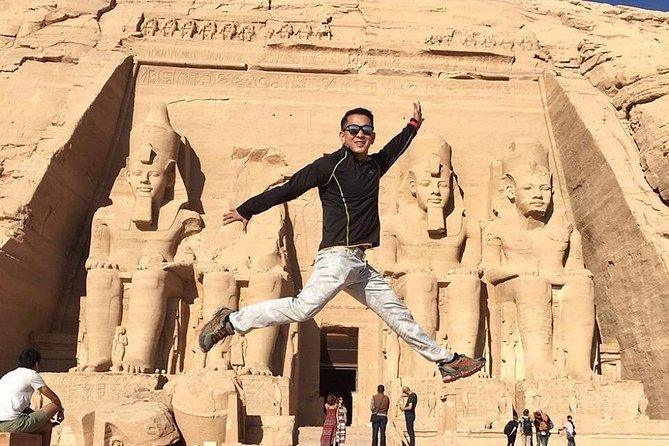
The Abu Simbel temple complex lies near the border with Sudan, about 230 kilometers southwest of Aswan. The two rock temples were moved in modern times to protect them from the rising waters of Lake Nasser. That modern engineering story adds another layer to the ancient carvings and enormous royal figures.
Five hours are allocated here, showing that Abu Simbel is meant to be a major part of the program. The distance from Aswan makes this a demanding outing, so you should expect a long day. The reward is one of Egypt’s most striking temple settings and a chance to see monumental architecture connected with Nubia.
Philae Temple is reached on a separate two-hour visit. The original temple complex stood near the First Cataract of the Nile before being relocated to an island in the reservoir of the Aswan Low Dam. Its island setting makes it different from the desert and city sites earlier in the tour.
The combination of Abu Simbel and Philae gives Aswan real weight in the program. You are not simply passing through on the way back to Cairo. You get two significant temple visits, each shaped by the modern changes to the Nile.
The return to Cairo and the pace of the trip
After breakfast on the cruise, day eight includes checkout, a flight back to Cairo, and a transfer to your hotel. The remaining time is for relaxing in Cairo. That quiet period is welcome after several demanding days of temples and long transfers.
Day nine is limited to a transfer to Cairo International Airport for your final departure. There is no sightseeing listed, so book your return flight with the airport transfer timing in mind.
The pace suits you if you want Egypt’s major sites in one organized trip. It may not suit you if you want several open afternoons, independent museum time, or long stays in one place. The nine-day format is efficient, but efficiency comes with early starts and limited spare time.
Guides, private transport, and group comfort
Private touring is one of the strongest features here. Only your own group participates, and private vehicle transport removes the need to coordinate with strangers at every stop. That can make a real difference on long sightseeing days.
The program may use three guides across the nine days. This can bring strong local coverage in different regions, but you may not have one person accompanying you from Cairo through Aswan. One positive detail from the available feedback is that the guides were described as well informed and willing to help. Still, if guide continuity matters to you, ask how assignments are handled.
Children must be accompanied by an adult, and most people can participate. The description does not provide a detailed mobility assessment, so ask the operator directly about stairs, uneven ground, pyramid interiors, and the physical demands of Abu Simbel.
You can cancel for a full refund at least six full days before the start time. A cancellation two to six days ahead receives a 50 percent refund, while cancellations less than two days before the start receive no refund. The cut-off follows local time.
Who should book this Egypt tour?
I would recommend it to a first-time Egypt visitor who wants the major sights arranged in one private program. It is especially suitable if you value a guide’s explanations, want admission fees and many meals bundled together, and do not want to arrange domestic transport between Cairo, Luxor, Aswan, and Abu Simbel yourself.
It is also a good fit for families or small groups who want their own vehicle and a more personal pace than a large coach tour. The private setup can make it easier to ask questions or spend a little longer at a favorite site, though the day’s fixed structure still limits flexibility.
I would hesitate if you prefer independent travel, slow mornings, or a boutique cruise chosen for its exact cabin and ship facilities. The available details do not name the hotels or cruise vessel, so those details matter at this price.
My booking verdict
Book this tour if your priority is coverage. In nine days, you see Giza, Saqqara, Memphis, Cairo’s major historic districts, Luxor’s east and west banks, Edfu, Kom Ombo, Aswan, Philae, and Abu Simbel. Few Egypt trips offer that much ancient architecture without requiring you to organize every transfer yourself.
Before booking, confirm the hotels, cruise ship, cabin level, internal flights, and any extra ticket charges. If those match your expectations, the $2,795 price can be fair for a private, guide-led program with many meals and admissions included. If they do not, a slower and more selective Egypt trip may give you better value.
FAQ
How long is the Treasures of Egypt tour?
The tour lasts approximately nine days, beginning with arrival and hotel transfer in Cairo and ending with airport transfer on day nine.
Is this a private tour?
Yes. Only your group participates, and private vehicle transport is included.
What major sites are included?
The program includes the Pyramids of Giza, the Sphinx, Saqqara, Memphis, the Egyptian Museum, Khan Al-Khalili, Coptic Cairo, Karnak, Luxor Temple, the Valley of the Kings, Hatshepsut’s temple, the Colossi of Memnon, Edfu, Kom Ombo, Abu Simbel, and Philae.
Are meals included?
Yes. The package includes eight breakfasts, six lunches, and four dinners.
Are admission fees included?
Entry fees for all the mentioned sites are included.
Is tipping included?
No. Tips for guides and drivers are not included.
When does the tour begin each day?
The stated start time is 8:00 a.m. Confirm the exact daily schedule with the local coordinator, especially on transfer and cruise days.
Just added around Cairo
- night-tour Nile dinner cruise with open buffet and belly dancer★ 5.0 · 9 reviews
- Dinner Nile Cruise belly dancer open buffer tanora show sailing on Nile★ 5.0 · 9 reviews
- 8 Day Stunning Cairo Pyramids and Nile cruise and Hurghada All inclusive★ 5.0 · 43 reviews
- Private Full Day Tour Giza Pyramids ,Museum & Nile Felucca Boat★ 4.0 · 3 reviews
- Cairo dinner Nile cruise with belly dancer show on Nile river★ 5.0 · 2 reviews
- Cairo Private layover tour Giza pyramids,sphinx&Nile Felucca Boat★ 4.5 · 13 reviews
- Private Tour Giza Pyramids , Sphinx & Dinner Nile cruise Show★ 4.5 · 3 reviews
- VIP Private Tour Giza Pyramids ,Nile Dinner Cruise&Pyramid Inside★ 5.0 · 3 reviews
Nile Cruises, compared.
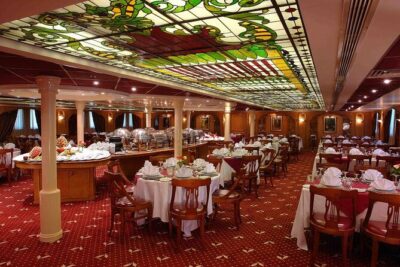
4-Days Nile Cruise From Aswan To Luxor including Abu Simbel and Hot Air Balloon
Read our review →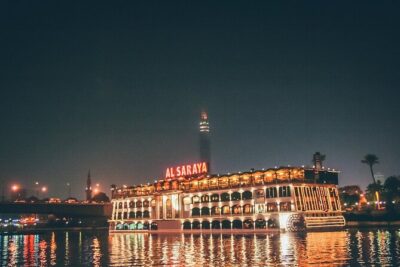
Dinner Cruise on the Nile River with Entertainment
Read our review →
4-Day 3-Night Nile Cruise from Aswan to Luxor&Abu Simbel+Balloon
Read our review →
Nile Dinner Cruise with Belly Dancer Show with Pickup
Read our review →
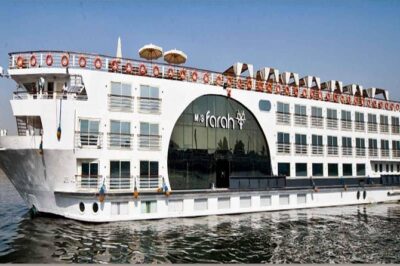
4-Day 3-Night Nile Cruise from Aswan to Luxor including Abu Simbel, Air Balloon
Read our review →
4-Day Nile Cruise from Aswan to Luxor with Guide
Read our review →Browse the lists this tour appears in